
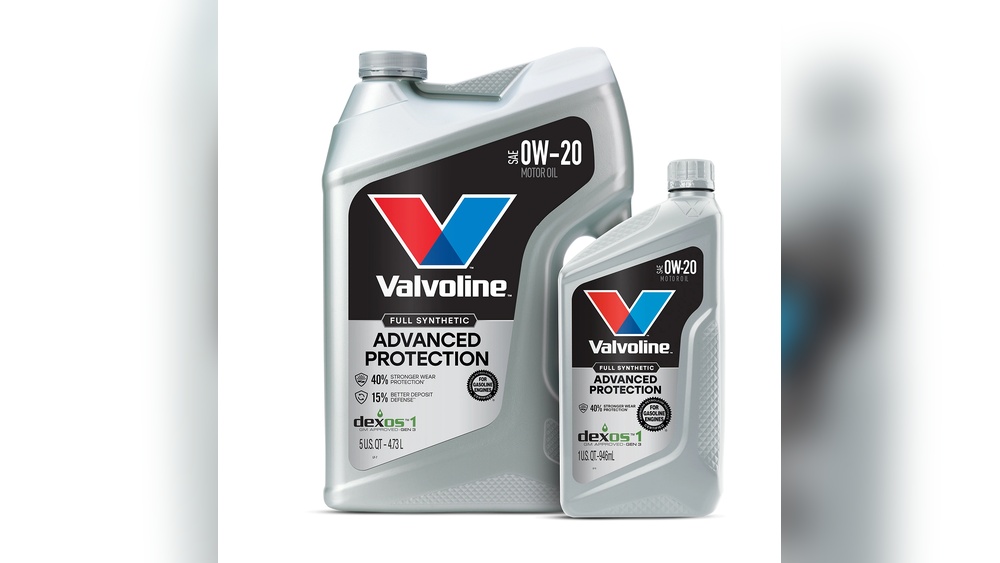
Have you ever opened your shed, grabbed your lawn mower, and suddenly wondered if you could use 0W-20 oil instead of the usual oil? Maybe you have a bottle of 0W-20 left from your car’s last oil change and you’re thinking, “Can I use this in my mower?” You’re not alone. Many people have this question, and it’s not as simple as just pouring it in. I’ve spent years working with engines, fixing mowers, and helping friends avoid costly mistakes. Today, I’m sharing everything I know about using 0W-20 oil in your lawn mower, so you can make the right decision, keep your mower healthy, and maybe save a bit of money too.
This guide isn’t just about a “yes” or “no. ” I’ll walk you through the reasons, risks, and real-life examples—plus 20 crucial things you need to know before you pour that oil. Whether you’re a new mower owner or a seasoned DIYer, you’ll find honest, practical advice here.
—
What Is 0w-20 Oil And Why Do People Use It?
Let’s start at the beginning. 0W-20 oil is a synthetic motor oil, most often used in modern cars. The “0W” means it flows well at very low temperatures, so your engine starts easily in winter. The “20” means it’s thinner than many other oils when the engine gets hot.
But what does that really mean? Oil has two main jobs: lubricate (reduce friction and wear) and help cool engine parts. The numbers in 0W-20 are about how thick or thin the oil is at different temperatures. “0W” stands for zero weight in winter, which means it stays thin and flows quickly even when it’s freezing cold. “20” is the oil’s thickness at high engine temperatures, and 20-weight is considered pretty thin.
People use 0W-20 because:
- It helps with fuel efficiency in cars
(Thinner oil means less resistance, so engines don’t work as hard. )
- It protects engines in cold weather
(Oil flows instantly at startup, so parts are protected right away. )
- New car engines are built for thinner oils
(modern Designs Have Very Tight Spaces Between Metal Parts.)
But a lawn mower isn’t a car. So why do people even think about using 0W-20 in their mowers? Usually, it’s because they already have some at home, or they’ve heard it’s “better” because it’s high-tech and synthetic.
Another reason is that people sometimes hear about the benefits of synthetic oil—like longer change intervals, better engine cleanliness, and smoother running. They think: “If it’s good for my car, it must be good for everything.” But that’s only true if the engine is designed for it.
One more thing: 0W-20 oil is often recommended by car makers to improve gas mileage and meet strict government rules for emissions. These benefits matter a lot for cars, but for a lawn mower—where you might use just a few gallons of gas a year—saving a few drops per mow isn’t a big deal.
Not All Synthetic Oils Are Equal
It’s important to know that not all synthetic oils have the same base ingredients, additives, or even quality. Car oils like 0W-20 are made for engines with special needs—like turbochargers, direct injection, and emissions controls. Lawn mower engines have simpler needs, but they also have unique challenges, like running hot for long periods and often being stored for months between uses.
—
The Basics: Lawn Mower Engine Oil Needs
Before pouring anything into your mower, you need to know what your engine actually requires. Most small engines (the kind used in push mowers, riding mowers, and garden tractors) are built differently from car engines. They usually run hotter, have simpler oil systems, and sometimes work under heavier loads for their size.
Why Oil Choice Matters For Mowers
Most lawn mower manuals recommend:
- SAE 30 for warm weather
- 10W-30 for variable temperatures
- Synthetic oils (sometimes) if the manual says it’s okay
Why? Because these oils stay thick enough to protect engine parts when hot, but are still thin enough to flow at startup. Using the wrong oil can cause wear, overheating, and even engine failure.
Let’s break it down further:
- Air-cooled engines: Most mowers don’t have a radiator. They rely on airflow and oil to keep cool. If the oil is too thin, it can’t keep parts separated or carry away enough heat.
- Simple lubrication system: Cars have oil pumps and filters. Many mowers just “splash” oil onto parts, meaning the oil must cling to metal and not run off too quickly.
- Long, steady operation: Mowers often run at full speed for 30 minutes or more. The oil must stay stable and not thin out.
- Storage stress: Mowers are often stored in sheds or garages for months. The right oil protects against rust and moisture.
Oil Grades Explained
- SAE 30: A straight, single-grade oil. It’s thick at normal mowing temperatures and gives good protection. Almost every classic mower uses this.
- 10W-30: A multi-grade oil. It’s thin enough for cooler weather, but thickens up when hot. Good for spring and fall mowing, or if temperatures swing.
- 5W-30 and 0W-20: Much thinner. Used for cars that start in freezing weather. Not usually needed for mowers unless you mow in very cold places.
The Manual Is Your Best Friend
Never guess. The owner’s manual is written by the people who designed your engine. If you lost your manual, you can often find it online by searching your mower’s brand and model number.
—
20 Essential Things To Know Before Using 0w-20 In Your Lawn Mower
I’ve seen people ruin good mowers by ignoring simple oil rules. If you’re thinking about using 0W-20, here are 20 specific things you must consider. Each point is based on real experience and expert knowledge.
1. Your Mower’s Manual Is Always Right
First, check your owner’s manual. It will list the recommended oil types and viscosities. If it says “SAE 30 only,” stick with that. Some manuals do allow for synthetic oils, but not all.
In my experience, using oil not listed in the manual can void the warranty or damage the engine.
Why is this so important? Engine makers test their products with certain oils. The metal, seals, and even the way the oil moves inside the engine is designed for a specific thickness. Ignoring the manual is like ignoring a recipe when baking bread—you might get lucky, or you might end up with a mess.
2. 0w-20 Is Designed For Cars, Not Small Engines
0W-20 is made for modern car engines that have tight tolerances and high-tech oil pumps. Most mowers have simpler engines and are not built for such thin oil.
For example, a car engine might have tiny gaps between moving parts, needing oil that can get in quickly. Mower engines often have bigger gaps and slower-moving parts. Oil that’s too thin can slip past seals, burn off, or fail to provide enough protection.
3. Viscosity Matters—especially When Hot
The “20” in 0W-20 means it’s thin at high temperatures. Mowers get hotter than you might think. If your oil is too thin, it can break down and stop protecting the parts.
I’ve seen engines with low oil pressure or extra wear because the oil was too thin.
Think of oil as a protective cushion. If it’s too thin, the cushion disappears and metal parts start to touch. Over time, this leads to damage that’s expensive to fix.
4. Synthetic Oils Aren’t Always Better
Many people think synthetic oil is always superior. But if your mower isn’t built for it, or it’s too thin, you’re not helping your engine. Some older mowers actually run worse with synthetic oils.
Synthetic oil has special additives and a chemical structure that makes it resistant to breakdown. But some older engines were never tested with synthetic, and seals or gaskets can swell, shrink, or leak. Sometimes, synthetic oil cleans away old deposits, which sounds good, but can cause leaks or oil burning if those deposits were helping to seal a worn engine.
5. Cold Weather Mowing: When 0w-20 Might Work
If you live somewhere with very cold springs or autumns, 0W-20 might help your mower start more easily. But, most mowing happens in warm weather, where you need thicker oil.
Here’s a tip: If you’re mowing in temperatures below freezing, 0W-20 could get oil to the engine faster at startup. But as soon as the engine warms up, the oil may become too thin to protect. So even in cold climates, it’s rarely the best choice for more than a quick emergency.
6. Oil Consumption Can Increase
Thin oil like 0W-20 can leak past seals or burn off faster in hot-running mower engines. You might notice the oil level drops quickly, which can be dangerous for the engine.
For example, I’ve seen mowers lose half their oil in just a few hours of mowing after switching to a thinner oil. Many people don’t realize the risk until it’s too late and the engine is damaged. Always check your oil level before every use, especially if you’ve changed oil types.
7. Fuel Efficiency Isn’t A Big Deal For Mowers
Car makers use 0W-20 to get better fuel economy and meet emissions rules. For mowers, saving a tiny bit of fuel with thinner oil isn’t worth risking engine health.
Let’s do the math: If you save 2% on fuel but risk burning out a $250 engine, is it worth it? Probably not. For most homeowners, the amount of gas used in a year is small, so the savings are just a few dollars at most.
8. Older Mowers May Leak Or Burn Thin Oil
If your mower is more than a few years old, the seals and gaskets might not hold thin oil well. I’ve seen older engines start to smoke or leak oil after switching to 0W-20.
A common story: A customer switched to 0W-20 because it was on sale. Two mowings later, they noticed blue smoke and oil stains under the mower. The engine needed new seals—an expensive repair that could have been avoided.
9. 0w-20 Can Make Noises Louder
Thicker oil muffles engine sounds. With 0W-20, you might hear more knocking, ticking, or clattering, especially as the mower heats up. This can be a sign the oil isn’t protecting as well.
If your mower suddenly sounds different after an oil change, it’s a warning sign. Don’t ignore it. Sometimes, thin oil lets parts move too freely, causing extra noise and, over time, real damage.
10. Synthetic 0w-20 Costs More
Most synthetic oils, including 0W-20, are pricier than regular mower oil. Unless your mower specifically needs it, you’re spending extra money for no benefit.
In many cases, a quart of synthetic 0W-20 costs twice as much as SAE 30. For small engines with short oil-change intervals, the extra cost adds up quickly, especially with no real advantage.
11. Additive Packages Are Different
Car oils like 0W-20 have additives to help with things like cleaning and emissions. Mower oils often have different additives to fight heat, wear, and corrosion. Using the wrong oil means you might be missing out on these protections.
For example, mower oils may have extra anti-wear agents or detergents designed for air-cooled engines. Car oil additives are focused on keeping catalytic converters clean, which don’t exist in mowers.
12. Warranty Issues
If your mower is still under warranty, using oil not recommended in the manual can cause problems if you ever need a repair. Manufacturers may refuse to fix it for free.
I’ve seen warranty claims denied just because the wrong oil was found in the engine. Always keep receipts and use the oil the manual lists, especially for new equipment.
13. 0w-20 Is Not For Two-stroke Engines
Some small engines, especially on older or very cheap mowers, are “two-stroke. ” These need oil mixed with the gas, and it’s a special kind. Never use 0W-20 (or any car oil) in a two-stroke engine.
Two-stroke oil is made to burn with the gasoline, and it has additives for that purpose. Car oils will foul up the engine, smoke badly, and may even cause engine failure.
14. Mixing Different Oils Can Cause Problems
Don’t mix 0W-20 with other oils unless you are sure they are compatible. Different base oils and additives can react badly together, leading to sludge or poor lubrication.
For example, mixing a synthetic oil with a non-synthetic can sometimes cause the additives to drop out, creating thick sludge. Always try to stick to one type and grade of oil.
15. Engine Wear May Increase Over Time
It’s not always obvious right away, but using oil that’s too thin can cause long-term wear. Bearings, pistons, and valves may wear out faster, leading to expensive repairs.
This is a common beginner mistake: The mower sounds fine at first, but a year later, it’s burning oil, losing power, or making noise. The damage from thin oil is slow but permanent.
16. 0w-20 May Work In Newer, High-end Mowers
Some high-end riding mowers or tractors have engines more like car engines. A few of these may allow synthetic oils, including 0W-20, especially if the manual mentions it. But this is rare.
An example is some Honda or Kawasaki engines in commercial mowers, which are designed for extended life and may list multi-grade synthetics as options. But even then, it’s not common for 0W-20 to be recommended.
17. Oil Change Intervals May Be Shorter
Because 0W-20 is thinner and may break down faster in hot conditions, you might need to change it more often. I recommend checking your oil after every few hours of mowing if you try it.
Oil that breaks down loses its ability to lubricate and protect. If you notice the oil is dark, smells burnt, or feels thin, change it right away.
18. Not All 0w-20 Oils Are Equal
Quality varies between brands. Cheap 0W-20 may not have the right additives for even a car, let alone a mower. If you must use it, choose a reputable brand.
Look for brands you trust, and avoid bargain-bin oils. Poor quality oil can harm your engine, no matter the viscosity.
19. Environmental Impact
Spilled or burned oil can harm your lawn or the environment. Thinner oil is more likely to leak or burn, especially on older or worn engines.
Oil leaks kill grass and can contaminate soil and water. If you notice oil spots under your mower, stop and find the cause before mowing again.
20. Always Monitor For Unusual Symptoms
If you do use 0W-20, watch for signs like more smoke, louder noises, or falling oil levels. Stop and switch back to the recommended oil if you notice problems.
Catch issues early and you can avoid permanent engine damage. Make it a habit to check your oil before and after every mow, especially after changing oil brands or grades.
—
Comparing 0w-20 With Standard Lawn Mower Oils
It helps to see how 0W-20 stacks up against the most common lawn mower oils. Here’s a quick comparison:
| Oil Type | Viscosity at 100°C | Best For | Common Use |
|---|---|---|---|
| 0W-20 | 8.5 cSt | Modern car engines | Fuel economy, cold starts |
| SAE 30 | 11.0 cSt | Small engines, mowers | Hot weather, classic engines |
| 10W-30 | 10.5 cSt | Variable temps | Mowers, some small tractors |
| 5W-30 | 9.7 cSt | Cold weather | Snow blowers, spring/fall mowing |
As you can see, SAE 30 and 10W-30 are thicker at high temperatures than 0W-20. That extra thickness helps protect mower engines during hot summer mowing.
Why Thicker Oil Matters
Thicker oil acts like a cushion between moving parts. If you use oil that’s too thin, the cushion shrinks, and metal parts can scrape or grind. Over time, this leads to more wear and a shorter engine life. Mower engines, especially when working hard in hot weather, really depend on having the right oil thickness.
Example: Why 0w-20 Is Risky In Hot Weather
Imagine mowing on a 90°F (32°C) afternoon. Your mower engine gets much hotter than your car does during normal driving. A thin oil like 0W-20 can turn almost watery at these temperatures, running off parts and leaving them unprotected. That’s why most experts recommend a thicker oil like SAE 30 in hot climates.
—
Real-world Example: When 0w-20 Is Safe (and When It’s Not)
Let me share a story. A friend of mine, Steve, had a new riding mower with a Honda engine. He ran out of SAE 30, so he tried 0W-20. At first, it seemed fine—no smoke, no noise. But after a month, he noticed the oil level dropping fast and the engine started making tapping sounds. We checked, and the manual said only to use SAE 30 or 10W-30.
We switched back, topped off the oil, and the noise stopped. Steve learned the hard way: just because oil works in a car doesn’t mean it works in a mower.
Another Example: Emergency Use
One time, I helped a neighbor whose mower was almost out of oil and couldn’t get to the store. We used a little 0W-20 just to finish the last 10 minutes of mowing, then changed back to SAE 30 immediately.
The mower survived, but we checked the oil and listened carefully for problems. This shows that using 0W-20 once in an emergency is usually safe, but not a long-term solution.
A Rare Case: New Commercial Mower
I met a landscaping crew that used synthetic 5W-30 in their new commercial-grade riding mowers. The manual allowed it, and they mowed in all weather. But even they avoided 0W-20, because the risk of oil thinning during hot, long days was too high.
—
Key Differences Between Car Engines And Lawn Mower Engines
Understanding why oil choice matters starts with knowing how these engines are different.
- Size and Heat: Mower engines are smaller, but they work hard and get very hot.
- Oil Systems: Most mowers don’t have oil filters or pumps like cars do.
- Seals and Gaskets: Mower seals aren’t always built for thin, synthetic oil.
- RPM and Load: Mowers often run at steady, high RPMs for long periods.
All of these factors mean that mower engines need oil that stays thick when hot and protects against wear.
More Details On Engine Differences
1. Size And Cooling
Car engines are water-cooled and have fans, radiators, and thermostats. Lawn mower engines are air-cooled, meaning they rely entirely on airflow and oil for cooling. If you use oil that’s too thin, it can’t help carry heat away from hot spots, leading to overheating.
2. Oil Flow And Filtering
Cars have oil pumps that move oil under pressure through every part of the engine and through a filter. Most mowers use a “splash” system, where spinning parts throw oil around inside. This system needs oil that sticks to surfaces and doesn’t run off too quickly.
3. Seals And Materials
Car engine seals are usually made of high-tech materials that can handle thin, synthetic oil. Mower engines, especially older ones, may use basic rubber or cork seals that swell or shrink when exposed to synthetic oil, leading to leaks.
4. Constant Speed And High Load
When you drive a car, the engine’s RPM and power needs change constantly. Mowers, on the other hand, often run at full power for as long as you mow. This puts more stress on the oil, especially in hot conditions.
—
Can Using 0w-20 Damage My Lawn Mower?
The short answer: It can, if your mower isn’t built for it.
If you use 0W-20 in an engine designed for thicker oil, you might see:
- More engine noise
- Faster oil consumption
- Increased wear on moving parts
- Higher risk of overheating
These problems may not show up right away, but over time, they can shorten your mower’s life.
How Damage Happens
When oil is too thin, it can’t create a strong film between moving metal parts. This means:
- Bearings wear out faster
- Pistons can “scuff” the cylinder walls
- Valves and camshafts get extra wear
Once damage starts, it usually gets worse. For example, worn bearings can lower oil pressure even more, which leads to even faster wear.
Signs Of Trouble
- Blue or white smoke from the exhaust
- Tapping or knocking noises
- Oil level dropping quickly
- Engine running hotter than normal
If you notice any of these, change back to the recommended oil right away and keep an eye on your engine for further problems.
—
When Is It Okay To Use 0w-20 In A Lawn Mower?
There are a few rare cases where 0W-20 might be okay:
- The owner’s manual says it’s allowed
- You have a high-end mower with a car-like engine
- You’re mowing in very cold weather (below 40°F/4°C)
- You’re in an emergency and have no other oil, but plan to change it soon
Even then, it’s smart to check oil levels often and listen for engine changes.
Expanding On The Exceptions
1. Manual Approval
Some new mower models, especially those with engines made by big car companies (like Honda), might list 0W-20 or 5W-30 as acceptable for very cold weather. If you see it in your manual, it’s safe.
2. High-end Engines
Commercial mowers or “premium” riding mowers sometimes have engines that are basically small car engines, with oil pumps, filters, and tighter tolerances. These might be okay with 0W-20, but only if the manual says so.
3. Extreme Cold Weather
If you live in a place where spring and fall mowing happens below freezing, thinner oil can help with cold starts. But as soon as the weather warms up, switch back to thicker oil.
4. Emergency Use
If you’re halfway through mowing and realize you’re low on oil, a small amount of 0W-20 is better than running dry. But change it out for the correct oil as soon as possible.
—
What Happens If You Accidentally Use 0w-20 Once?
Don’t panic! If you’ve already used 0W-20 for a short time, your mower probably isn’t ruined. Here’s what to do:
- Stop mowing and let the engine cool
- Check the oil level for any drop
- Listen for new noises or watch for smoke
- Change the oil back to the recommended type as soon as possible
A single short use is usually not a disaster, but don’t make it a habit.
Extra Tips If You Used The Wrong Oil
- If you mowed for less than an hour, chances are there’s no damage.
- If you hear new noises or see smoke, stop right away.
- After changing the oil, run the engine for a few minutes and listen. If everything sounds normal, you’re probably safe.
- If you want to be extra careful, change the oil again after another hour of use to flush out any remaining thin oil.
—
How To Choose The Right Oil For Your Lawn Mower
If you want your mower to last, pick the oil that matches your engine’s needs. Here’s how:
- Read the manual—it’s the best source
- Match the oil to your local climate (thicker for hot, thinner for cold)
- Choose quality brands with the right additives
- Change the oil at least once a season, or every 25-50 hours of use
Additional Tips For Oil Selection
- If you mow in hot, dry weather, SAE 30 or 10W-30 is usually best.
- For cool spring or autumn mowing, 10W-30 or 5W-30 may help with cold starts.
- Synthetic oils are fine if the manual lists them, and they can help if you mow in very hot or very cold weather.
- Never use two-stroke oil in a four-stroke mower engine.
What To Look For On The Oil Bottle
- The oil bottle should say “For small engines,” “For lawn mowers,” or list your engine type.
- Check for the API service rating (like “SJ,” “SL,” etc. )—make sure it matches your manual’s requirements.
- Don’t buy the cheapest oil. Saving a dollar on oil could cost you a lot in repairs.
—
Data Table: Lawn Mower Oil Types And Their Best Uses
Understanding which oil to use can get confusing. Here’s a simple guide:
| Oil Grade | Temperature Range | Engine Type | Notes |
|---|---|---|---|
| SAE 30 | 40°F+ (4°C+) | 4-stroke, air-cooled | Classic choice for warm weather |
| 10W-30 | 0°F+ (-18°C+) | 4-stroke, air-cooled | Good for variable temps |
| 5W-30 | -20°F+ (-29°C+) | 4-stroke, air-cooled | For cold starts, snow blowers |
| 0W-20 | -30°F+ (-34°C+) | Car engines (rarely mowers) | Only if manual allows |
| 2-stroke oil | Any temp (mixed with fuel) | 2-stroke engines only | Never use car oil |
Additional Advice
If you’re not sure which oil to buy, ask at your local hardware store or mower repair shop. They know what works best in your area and for your type of mower.
—
Practical Tips For Lawn Mower Oil Changes
To get the best out of your mower:
- Warm up the engine for a few minutes first (helps oil drain faster)
- Use a drain pan and avoid spilling oil on your grass
- Replace the oil filter if your mower has one
- Wipe off any spilled oil before starting the mower again
- Dispose of old oil at a recycling center—don’t pour it on the ground
Step-by-step Oil Change Instructions
- Run the engine for 2–3 minutes to warm up the oil.
- Turn off the engine and disconnect the spark plug wire to avoid accidental starts.
- Remove the oil fill cap and position a drain pan under the engine.
- Drain the old oil by tilting the mower or using the drain plug (if equipped). Let it drain fully.
- Replace the oil filter (if your mower has one).
- Add the correct amount of new oil—check your manual for the right capacity.
- Wipe up any spills and reinstall the oil fill cap.
- Reconnect the spark plug wire and start the engine. Check for leaks.
- Double-check the oil level after running the engine for a minute.
Extra Tips
- Always use a funnel to avoid spills.
- If you’re switching oil types, consider changing the oil twice in one season to flush out old residues.
- Never overfill. Too much oil can cause smoke or engine damage.
—
Common Mistakes People Make With Lawn Mower Oil
After years of helping people with their mowers, I see these mistakes again and again:
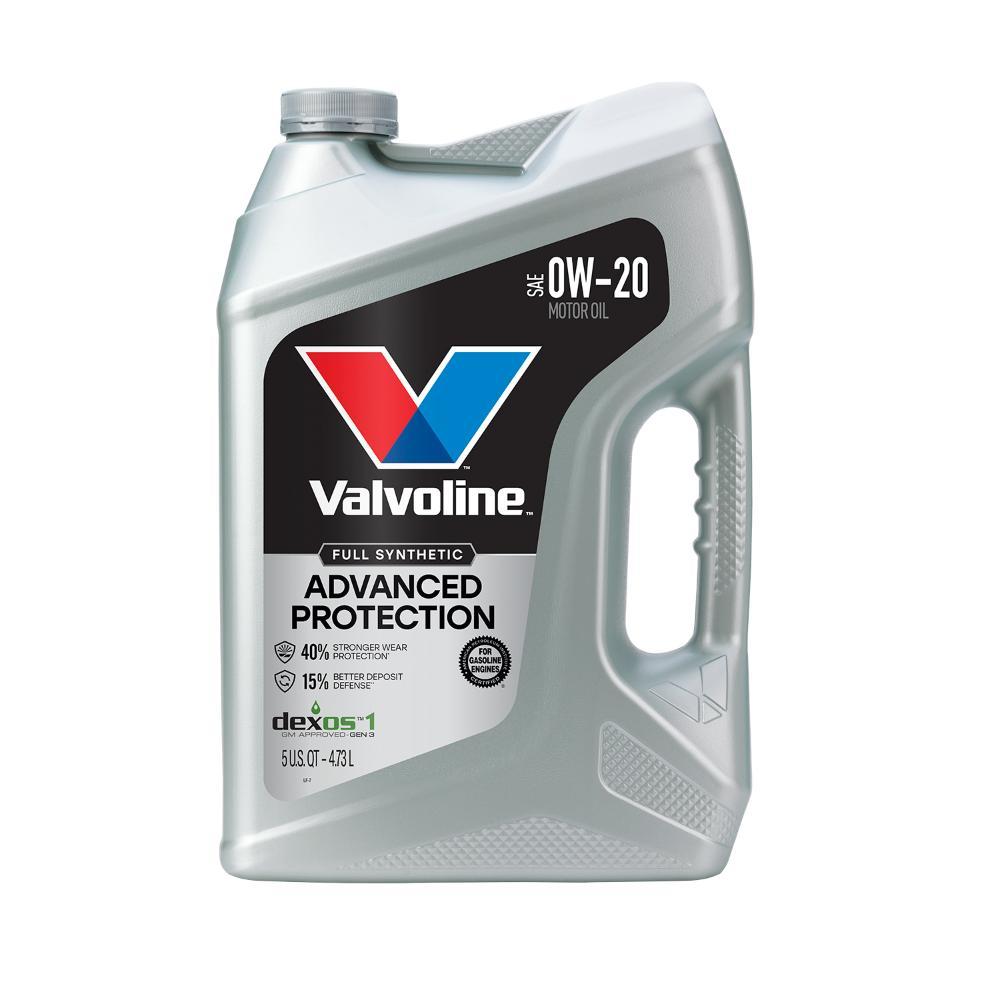
- Using leftover car oil without checking the manual
- Overfilling or underfilling the oil
- Forgetting to change oil every season
- Mixing different oil types without knowing if they’re compatible
- Using two-stroke oil in a four-stroke engine (or vice versa)
Avoiding these can save you from expensive repairs.
More Mistakes To Watch For
- Not checking the oil level often enough. Engines can run low or burn oil quickly.
- Ignoring signs of trouble (smoke, noise, leaks) after an oil change.
- Using old, dirty oil left in the garage for years.
- Thinking “any oil is better than no oil” for long-term use. In an emergency, any oil is better than running dry, but long-term use of the wrong oil is risky.
- Not tightening the oil cap or filter, which can lead to leaks.
Two Non-obvious Insights
- Storing your mower with old oil can cause internal rust and corrosion, especially over winter. Always change the oil before storing for months.
- Altitude affects engine needs. If you live at high altitude (above 5,000 feet/1,500 meters), your engine may run hotter and need more frequent oil changes or a slightly different oil type—check with your mower’s manufacturer.
—
Key Takeaways: Should You Use 0w-20 In Your Lawn Mower?
- Check your manual first—if it doesn’t mention 0W-20, don’t use it.
- 0W-20 is usually too thin for most mower engines, especially in hot weather.
- It may work in cold climates or certain high-end engines, but that’s rare.
- Using the wrong oil can cause leaks, noise, wear, and even engine failure.
- If you’re ever unsure, stick to SAE 30 or 10W-30 for most mowers.
Final Words
If you want your mower to last for years and start easily every time, use the oil the manufacturer recommends. It’s a small detail that makes a big difference. Saving a few dollars or using up leftover car oil isn’t worth the risk of ruining your mower.
—

What Experts And Manufacturers Say
Most small engine experts and companies like Briggs & Stratton or Honda recommend sticking with the oil listed in the manual. They warn against using automotive oils like 0W-20 unless it’s clearly allowed.
Experts also point out that most mower problems from oil are slow and sneaky. You might not notice damage until it’s too late to fix.
For more on oil grades and their uses, check the official Wikipedia article on motor oil.
—
Frequently Asked Questions
Can 0w-20 Oil Ruin My Lawn Mower Engine?
If your engine is not designed for 0W-20, using it can increase wear, leaks, and noise. Over time, it may shorten engine life, especially in hot weather. Always check your manual first.
What Oil Should I Use If I Don’t Have Sae 30?
If you don’t have SAE 30, 10W-30 is a good backup for most climates. Always check your manual for alternatives.
Can I Mix 0w-20 With Other Oils In My Mower?
It’s best not to mix oils with different grades or additives. Mixing can cause sludge or poor engine protection. Use a single, recommended oil type.
Is Synthetic Oil Safe For Lawn Mowers?
Synthetic oil can be safe if your mower’s manual lists it as an option. It often lasts longer and protects better at temperature extremes, but only if the viscosity is correct.
How Often Should I Change My Lawn Mower Oil?
Change your mower oil at least once per season or every 25-50 hours of use. Dirty or old oil won’t protect your engine well.
What If My Mower Is Smoking After An Oil Change?
Check the oil level—too much or too little oil can cause smoke. Also, make sure you used the correct oil type and grade. If the problem continues, consult a repair shop.
My Mower Is Noisy After Switching To 0w-20. What Should I Do?
Stop using the mower and switch back to the recommended oil as soon as possible. Check for damage if the noise doesn’t go away.
—
Choosing the right oil for your lawn mower isn’t just about what’s on your shelf—it’s about protecting your investment and making mowing easier for years to come. I hope this guide helps you make the right choice, just like it has for me and many others. If you’re ever in doubt, remember: your manual and a little expert advice go a long way. Happy mowing!
As an Amazon Associate, We earn from qualifying purchases