
Can I Use a Pressure Washer to Strip Paint? My Honest Experience
A few years back, I stood in my backyard, looking at my old wooden fence. The paint was peeling, and it looked sad. I wanted to give it a fresh coat, but first, I had to get rid of the old paint.
I remembered hearing that a pressure washer could strip paint fast. But I wasn’t sure if it really worked or if it would damage the wood. So, I decided to try it myself. I learned a lot from this experience, and in this article, I’ll share everything I wish I knew before starting.
If you’re thinking, “Can I use a pressure washer to strip paint? ” this guide is for you.
Why I Considered A Pressure Washer For Paint Removal
I love DIY projects, but I also value my time. Scraping paint by hand is hard, slow work. I wanted something quicker. I had seen people use pressure washers to clean all kinds of surfaces—cars, driveways, decks. Some said it could strip paint, too. I figured, why not give it a shot? At the same time, I was worried about damaging the wood or making a huge mess. I did some research and talked to a few friends who tried it. Most said it worked, but there were some warnings. So, I decided to test it myself.
How Pressure Washers Work On Paint
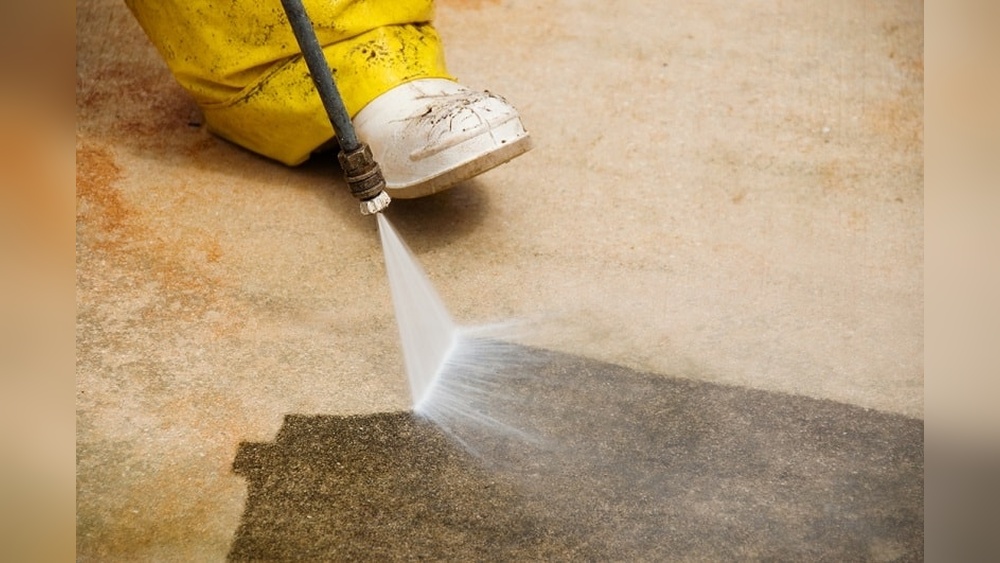
A pressure washer uses high-pressure water, sometimes mixed with detergent, to blast away dirt, grime, and sometimes paint. The basic idea is simple: high-pressure water hits the surface, and the force lifts off loose or weak material. With paint, it depends on the paint’s condition and the surface underneath.
If the paint is already peeling or flaking, a pressure washer can remove it quickly. But if the paint is still strong and well-bonded, it may take more effort—or not come off at all. The surface also matters. Brick, concrete, and metal can handle higher pressure.
Wood is softer and easier to damage.
My First Time: What Happened When I Tried
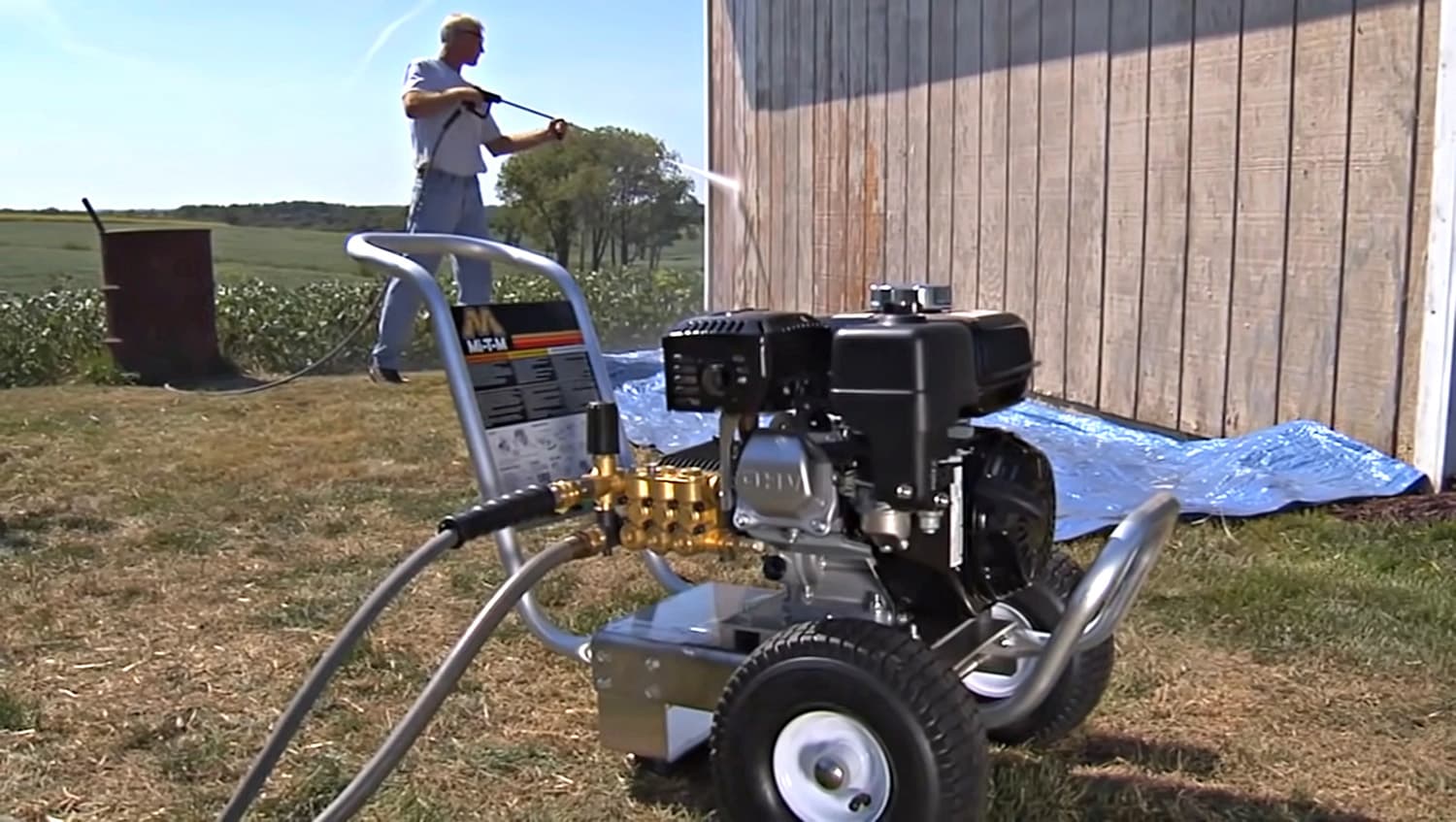
I started on a small, hidden section of my fence. I used a mid-range electric pressure washer with a 2000 PSI rating. I picked the 25-degree green nozzle because it’s less harsh than the red (0-degree) or yellow (15-degree) tips. I was nervous, but I gave it a try.
At first, the loose paint flew off. It was actually satisfying to watch. But when I hit the areas where the paint was still stuck, it didn’t budge much. If I moved the nozzle closer, I could get some of it off, but I also noticed the wood started to splinter. That was my first big lesson: pressure washers can strip paint, but you must be careful, or you’ll damage the surface.
What Surfaces Work Best For Pressure Washer Paint Removal
After my fence experiment, I tried using the pressure washer on different surfaces around my home. Here’s what I found works best:
| Surface Type | Pressure Washer Effectiveness | Damage Risk |
|---|---|---|
| Wood (fence, deck) | Moderate (only loose paint) | High (splinters, gouges possible) |
| Concrete (driveway, patio) | High | Low |
| Brick | High | Low to Moderate (mortar can erode) |
| Metal (garage door, railing) | Moderate to High | Low |
If you’re working with concrete or brick, a pressure washer is a great option. On wood, be very careful. Metal usually holds up fine, but always test a small area first.
Choosing The Right Pressure Washer Settings
I learned the hard way that using the highest setting is not always best. Too much pressure can damage the surface. Here’s a quick guide based on my trial and error:
| Surface | Recommended PSI | Nozzle Color | Distance from Surface |
|---|---|---|---|
| Wood | 1200-2000 | Green (25°), White (40°) | 12-18 inches |
| Concrete/Brick | 2500-3000+ | Yellow (15°), Green (25°) | 6-12 inches |
| Metal | 2000-2500 | Green (25°), White (40°) | 12-18 inches |
Tip: Always start with a lower pressure and wider nozzle. Move closer slowly if needed, but stop if you see damage.
Steps I Followed To Strip Paint With A Pressure Washer
Here’s how I approached the job, with some tips I picked up along the way:
1. Test A Small Area
I started in a hidden spot. This showed me how the wood reacted and helped me set the right pressure.
2. Wear Safety Gear
Paint chips fly everywhere. I wore safety glasses, gloves, and old clothes.
3. Clear The Area
I removed plants, furniture, or anything that could get damaged or dirty.
4. Set The Nozzle And Pressure
I chose the 25-degree green nozzle and started at low pressure. I kept the nozzle about 15 inches away.
5. Spray At An Angle
I found that spraying at a 45-degree angle worked better than spraying straight on. It lifted the paint more easily.
6. Move Slowly And Evenly
Going too fast left paint behind. Too slow, and the wood splintered. I kept a steady pace.
7. Let It Dry And Check The Results
After washing, I let the fence dry. Some areas needed a second pass or light scraping.
8. Clean Up Paint Chips
Old paint often contains lead, especially in homes built before 1978. I made sure to collect all chips and dispose of them safely.

Pros And Cons I Noticed
Using a pressure washer to strip paint has its ups and downs. Here’s what stood out for me:
What I Liked
- Fast for Loose Paint: Areas with peeling paint came off much faster than by hand.
- Less Physical Work: My arms were not as tired as after scraping by hand.
- Great for Large Areas: For a big fence or deck, it saves a lot of time.
What I Didn’t Like
- Not Perfect for All Paint: Well-bonded paint stayed put, so I still had to scrape some areas.
- Risk of Damage: I accidentally gouged the wood in places where I got too close.
- Messy: Paint chips went everywhere, and cleanup took time.
- Water Usage: Pressure washing uses a lot of water, which can be a concern during droughts or if you’re on a meter.
Common Mistakes And How To Avoid Them
I made a few mistakes that I hope you can avoid:
- Using Too Much Pressure: I thought higher PSI meant faster paint removal. Instead, it damaged the wood. Less is often more.
- Holding the Nozzle Too Close: The closer you get, the stronger the impact. I learned to keep a safe distance.
- Skipping Safety Gear: Paint chips in your eyes hurt—a lot. Don’t skip the goggles.
- Not Testing First: Every surface is different. Always test before doing the whole area.
- Ignoring the Weather: Windy days made the mess even worse. Dry, calm days are best.
Comparing Pressure Washing With Other Paint Removal Methods
After my experience, I wanted to know if there was a better way. Here’s a simple comparison:
| Method | Speed | Surface Risk | Best For |
|---|---|---|---|
| Pressure Washer | Fast (for loose paint) | Moderate to High | Large outdoor areas |
| Hand Scraper | Slow | Low | Small or delicate jobs |
| Chemical Stripper | Moderate | Low to Moderate | Detailed or indoor work |
| Heat Gun | Moderate | Moderate (fire risk) | Window frames, small sections |
Two Surprising Insights I Learned
There are a couple of things I didn’t expect:
1. Pressure Washing Can Raise The Wood Grain
After washing, my fence felt rougher. The water made the wood fibers swell and stand up. I had to sand it before painting, which I hadn’t planned for.
2. Paint Chips Travel Far
I thought cleanup would be simple. But I found paint chips in my garden, on the neighbor’s side, and even stuck to my shoes. Cover surrounding areas if you care about the mess.
When Not To Use A Pressure Washer For Paint Removal
From my experience, pressure washing isn’t always the best choice. Avoid it if:
- The surface is very soft or delicate
- You’re dealing with old, lead-based paint and can’t control the mess
- The paint is mostly intact and you don’t want to risk damage
- You need a smooth, ready-to-paint finish right away
Sometimes, a combination of methods works best. For my fence, I finished with a scraper and sander after pressure washing.
Safety And Environmental Tips
I learned that safety isn’t just about goggles. There are a few more things to watch out for:
- Lead Paint: Paint from before 1978 can contain lead. Pressure washing can spread toxic dust and chips. Always test if you’re unsure.
- Water Runoff: Paint chips and chemicals can get into drains and harm the environment. Collect debris and follow local disposal rules.
- Protect Plants and Pets: I covered my plants and kept my dog inside until cleanup was done.
For more on safe paint removal and environmental rules, the EPA’s lead safety page is very helpful.
Would I Use A Pressure Washer Again?
After my first attempt, I realized pressure washing is a great tool—but not a magic solution. For big, outdoor projects with lots of peeling paint, it can save hours. On delicate wood or areas with stubborn paint, it’s less helpful.
I’d definitely use it again, but only after testing and with the right safety steps.
If you’re thinking about trying this for the first time, start small. Be patient. Expect to do some scraping or sanding afterward. And don’t forget your safety gear.
Frequently Asked Questions
Can A Pressure Washer Remove All Types Of Paint?
No, a pressure washer works best on loose or flaking paint. If the paint is well-bonded, you may still need to scrape or sand by hand.
Will A Pressure Washer Damage Wood?
Yes, if you use too much pressure or hold the nozzle too close, it can gouge or splinter wood. Always start with lower pressure and keep the nozzle at least a foot away.
Is It Safe To Use A Pressure Washer On Lead-based Paint?
It’s not recommended. Lead paint chips can become airborne or contaminate soil and water. Follow local safety rules and consider professional help.
How Do I Know What Pressure Setting To Use?
Start with 1200-2000 PSI for wood, and use a wider nozzle like green (25°) or white (40°). Always test a small area first.
Do I Need To Sand After Using A Pressure Washer?
Usually, yes. Pressure washing can raise the wood grain and leave the surface rough. Sanding smooths it out before you repaint.
If you’re about to tackle your own paint removal project, I hope this helps you avoid my mistakes and get the job done right. Good luck—and don’t forget your goggles!

As an Amazon Associate, We earn from qualifying purchases