
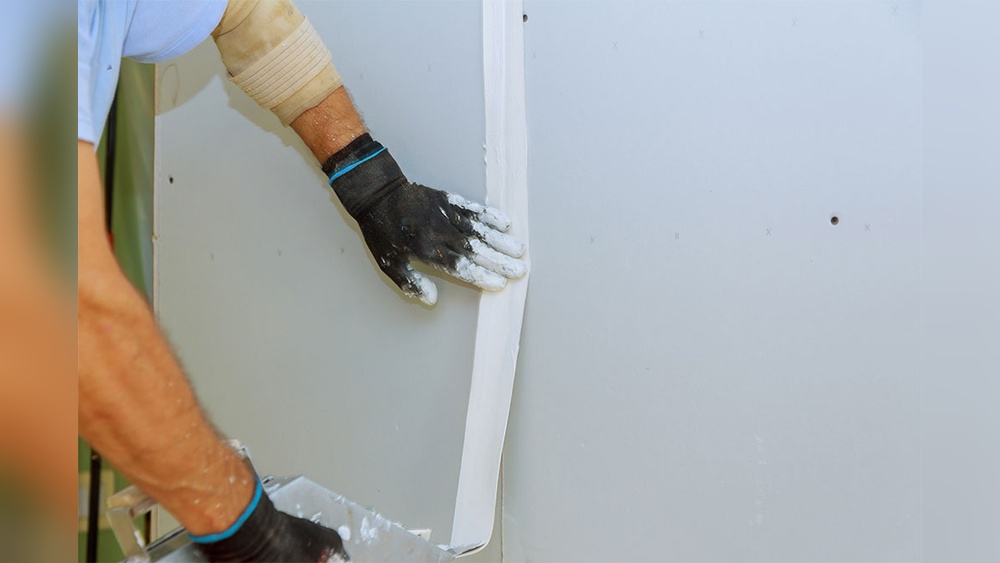
I remember the first time I tried hanging a picture on my old plaster wall. I thought, “Why not just grab my trusty nail gun and get this done fast?” That day taught me a lot about using a nail gun on plaster walls—mostly through trial and error. If you’re wondering whether you can use a nail gun on plaster walls, you’re not alone. Many people face this situation, especially in older homes where plaster is common. Let’s dive into what I learned and what you should know before you pull the trigger.
Understanding Plaster Walls
Before you even pick up a nail gun, it helps to know what plaster walls really are. I used to think all walls were the same. But after living in a house from the 1950s, I learned the hard way that plaster and drywall are very different.
Plaster walls are made by spreading a mix of gypsum, sand, and water over wooden lath strips. Once it dries, you get a hard, brittle surface. This makes it durable, but also tricky for projects that involve nailing or drilling.
Unlike drywall, which is softer and easier to penetrate, plaster tends to crack or chip under pressure.
Here’s a quick comparison I made to help you see the difference:
| Feature | Plaster Wall | Drywall |
|---|---|---|
| Age of Homes | Pre-1960s | Post-1960s |
| Strength | Very hard, brittle | Softer, flexible |
| Repair Difficulty | More difficult | Easy |
| Sound Insulation | Better | Good |
If you’re unsure what you have, knock on your wall. Plaster feels cold, hard, and solid. Drywall feels a bit softer and hollow.
Can You Use A Nail Gun On Plaster Walls?
I’ve tried using a nail gun on plaster walls—and my advice is to think twice. Technically, yes, you can use a nail gun. But just because you can, doesn’t always mean you should.
The first time I tried, I used a finishing nailer to hang a shelf. I aimed, fired, and… crack. The plaster chipped, and a chunk fell out. I was shocked at how easily the surface broke apart, even with a small nail.
After a few more tries, I learned that plaster doesn’t react like wood or drywall.
What Happens When You Use A Nail Gun?
- Cracking: The force of the nail gun can cause spiderweb cracks across the plaster.
- Chipping: Big pieces may break off around the nail, leaving a messy hole.
- Loose Nails: If you don’t hit the wooden lath behind the plaster, the nail won’t hold. The wall may even “bounce” the nail back out.
In my experience, it’s a risky move. It can work, but only if you’re very careful—and a bit lucky.

Types Of Nail Guns And Their Impact
Not all nail guns are the same. I’ve used a few types, and here’s what I found:
| Nail Gun Type | Best Use | Impact on Plaster Walls |
|---|---|---|
| Brad Nailer | Thin trim, small nails | Low, but can still crack plaster |
| Finishing Nailer | Baseboards, crown molding | High risk of chipping |
| Framing Nailer | Heavy-duty jobs | Almost guaranteed to damage plaster |
I found that a brad nailer (which uses smaller nails) is the gentlest option, but even then, the risk of cracks is real. I never use a framing nailer on plaster. That’s asking for trouble.
When Is It Okay To Use A Nail Gun?
There are situations where you might get away with it. Here’s what worked for me:
- Nailing Directly into Studs or Lath: If you can find a stud or the wooden lath behind the plaster, your nail will have something solid to grip. I always use a stud finder for this.
- Using Low Power: Some nail guns have adjustable pressure. Lowering the pressure reduces the force and helps avoid cracks.
- Short Nails: Shorter nails are less likely to split the plaster. I use 1-inch brads for light projects.
Still, even with all these precautions, I sometimes get a crack or two. It’s not a perfect science.

Safer Alternatives To Nail Guns
After a few bad experiences, I started looking for other ways to hang things on plaster walls. Here’s what worked much better for me:
- Hand Nailing: Use a small finishing nail and a hammer. Tap gently at first to avoid cracking the surface. It takes longer, but it’s safer.
- Drilling Pilot Holes: I drill a small pilot hole before nailing. This reduces stress on the plaster and helps prevent chipping.
- Masonry Screws or Anchors: For heavy objects, I use a masonry anchor or screw designed for plaster. These hold better and reduce damage.
- Adhesive Hooks: For lightweight items, I love removable adhesive hooks. No holes, no damage.
Here’s a quick look at my results:
| Method | Damage Risk | Holding Strength | Best For |
|---|---|---|---|
| Nail Gun | High | Medium | Quick jobs |
| Hand Nailing | Medium | Medium | Small items |
| Pilot Hole + Nail | Low | Medium | Picture frames |
| Masonry Anchor | Low | High | Heavy shelves |
| Adhesive Hook | Very Low | Low | Light decor |
Tips For Using A Nail Gun Safely On Plaster Walls
If you still want to try a nail gun on plaster walls, here’s what I learned helps reduce the risk:
- Find the Studs or Lath: Use a quality stud finder. Plaster is thick, so sometimes it takes a few tries.
- Go Slow: Don’t rush. Set the nail gun to its lowest power.
- Use Short, Thin Nails: I stick with 18-gauge brads, 1 inch or less.
- Pre-Drill if Possible: A pilot hole makes a huge difference. Even a tiny hole helps.
- Wear Eye Protection: Plaster chips fly everywhere. I learned this after a close call.
- Test in a Hidden Spot: Try the technique in a closet or behind furniture first.
- Be Ready for Repairs: Keep some spackle handy to patch up chips or cracks.
Common Mistakes I Made (so You Don’t Have To)
It’s easy to mess up if you haven’t worked with plaster walls before. Here are a few things I wish I had known:
- Using Too Much Power: My first mistake was setting the nail gun to full strength. It punched right through, leaving a crater.
- Not Checking for Lath or Studs: If you shoot a nail into empty plaster, it won’t hold. Sometimes the nail just spins in place.
- Ignoring Pilot Holes: Skipping this step led to more cracks.
- Using the Wrong Nails: Large nails split the plaster more often.
- Trying to Hang Heavy Objects: Plaster isn’t strong enough for big shelves or TVs with just nails.
When To Call A Professional
Sometimes, it’s better to step back and call an expert. If you have to hang something heavy, or if your walls are already cracked, a professional can help avoid more damage. They have special tools and know how to anchor into plaster without breaking it.
I once tried to install a heavy cabinet myself and ended up with a huge repair bill. Lesson learned.
Repairing Plaster Damage
If you do crack or chip your plaster, don’t panic. Small repairs are easy. Here’s my simple process:
- Clean the Area: Remove any loose plaster and dust.
- Apply Spackle or Plaster Patch: Use a putty knife to fill the hole.
- Sand Smooth: Wait for it to dry, then sand it even with the wall.
- Paint: Touch up with matching paint.
For larger holes, you might need a patch kit. You can find more detailed repair guides at This Old House.
The Bottom Line: My Honest Advice
So, can you use a nail gun on plaster walls? Yes, but I wouldn’t recommend it for most jobs. From my experience, the risk of cracking, chipping, and making a mess is high. If you’re just hanging something light and you’re careful, you might get away with it.
But for anything important, I use safer methods like hand nailing with a pilot hole or wall anchors.
Plaster walls are beautiful, full of character, and built to last. But they need a gentle touch. If you’re ever in doubt, take your time, use the right tools, and don’t be afraid to ask for help.
Frequently Asked Questions
Can I Use A Nail Gun To Hang Heavy Shelves On Plaster Walls?
No, it’s not a good idea. The force of the nail gun often cracks the plaster, and even if the nail goes in, it may not hold the weight. For heavy shelves, use wall anchors designed for plaster or screw directly into the studs.
What Size Nails Should I Use For Plaster Walls?
If you must use a nail gun, go with short, thin nails—like 18-gauge, 1-inch brads. Long or thick nails are more likely to cause cracks or split the plaster.
Do I Need To Find A Stud Behind Plaster Walls?
Yes, whenever possible. Nailing into just the plaster is risky and doesn’t hold well. Use a stud finder to locate studs or wooden lath strips for better support.
Is It Better To Drill Or Nail Into Plaster?
Drilling a small pilot hole before nailing is much safer. It reduces the chance of cracks and gives your nail a place to go without putting pressure on the plaster.
How Do I Fix Cracks Or Holes If I Damage The Plaster?
Clean out the damaged area, fill it with spackle or patching plaster, let it dry, sand it smooth, and paint. For big holes, consider a patch kit or call a professional if you’re not comfortable.
If you’re tackling a plaster wall project, take it slow and treat the wall with care. It’s worth the extra time to avoid repairs later!
As an Amazon Associate, We earn from qualifying purchases