
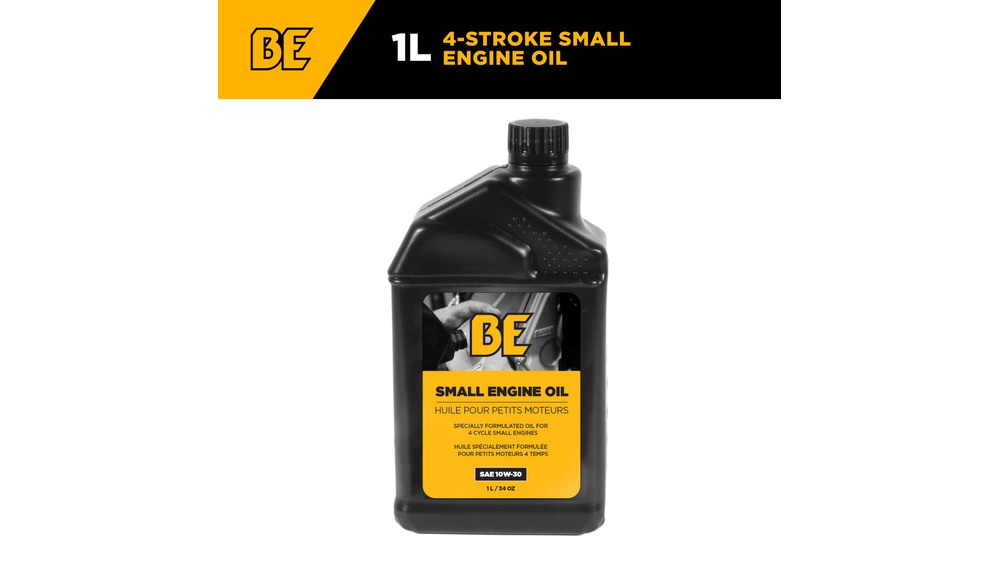
If you’ve ever stood in your garage, looking at your pressure washer and a bottle of 2 cycle oil, you might have wondered: Can I use 2 cycle oil in my pressure washer? I’ve been in that situation myself. Let me share everything I’ve learned through research, trial, and a few mistakes, so you don’t have to risk damaging your equipment or wasting money.
Why The Right Oil Matters For Pressure Washers
When I first bought my pressure washer, I didn’t realize how important the right oil was. I thought oil was oil—anything slippery would do the job. I was wrong. Pressure washers can be tough machines, but the wrong oil can wreck the engine or pump much faster than you think.
Pressure washers use either a 4-stroke engine (like most lawn mowers) or an electric motor. Both need specific oil types. Some also have a pump that requires special oil, different from the engine oil. Using the wrong oil can mean expensive repairs or even a dead machine.
Understanding 2 Cycle Oil
I used to think 2 cycle oil was a universal fix because I had some left over from my string trimmer. But here’s what I learned:
- 2 cycle oil is made for 2-stroke engines. These engines mix oil with gasoline for both lubrication and fuel.
- Most pressure washers use 4-stroke engines. These have a separate oil reservoir and do NOT mix oil with fuel.
- Some pressure washers are electric and don’t need any oil.
So, 2 cycle oil is not designed for pressure washers—at least, not the ones most people own.

What Happens If You Use 2 Cycle Oil In A Pressure Washer?
I was curious (and a bit stubborn), so I tried using 2 cycle oil in my old pressure washer. Here’s what happened:
- The engine sounded rough, almost like it was straining.
- There was white smoke from the exhaust—something I’d never seen before.
- After a few uses, the engine lost power and started sputtering.
I later learned that 2 cycle oil lacks the additives needed for 4-stroke engines. It can’t handle the heat or protect the engine parts well. That’s why the engine suffered.
Key Risks
- Poor lubrication – 2 cycle oil is thinner. It doesn’t stick to parts as well, so things wear out faster.
- Engine deposits – It can leave sticky residue, which clogs parts and causes knocking or misfires.
- Shorter engine life – Your pressure washer won’t last as long. I ended up replacing mine a year sooner than expected.
The Difference Between 2 Cycle And 4 Cycle Oil
Here’s a simple breakdown to help you remember:
| Oil Type | Designed For | Main Feature | Common Use |
|---|---|---|---|
| 2 Cycle Oil | 2-stroke engines | Mixes with gasoline | Chainsaws, trimmers |
| 4 Cycle Oil | 4-stroke engines | Separate from gasoline | Pressure washers, mowers |
If your pressure washer uses a 4-stroke engine, always use 4 cycle oil.
What Oil Should You Use In A Pressure Washer?
I learned the hard way that manufacturer recommendations matter. The owner’s manual for my pressure washer said to use SAE 30 or 10W-30 oil. These oils are made for 4-stroke small engines.
For the pump, use non-detergent pump oil—never engine oil. I made that mistake once and had to replace the pump seal.
Common Oil Types For Pressure Washers
- SAE 30 – Good for warmer weather.
- 10W-30 – Works across a range of temperatures.
- Synthetic small engine oil – Handles temperature changes better.
- Pressure washer pump oil – Specially made for pumps, not engines.
Can Any Pressure Washer Use 2 Cycle Oil?
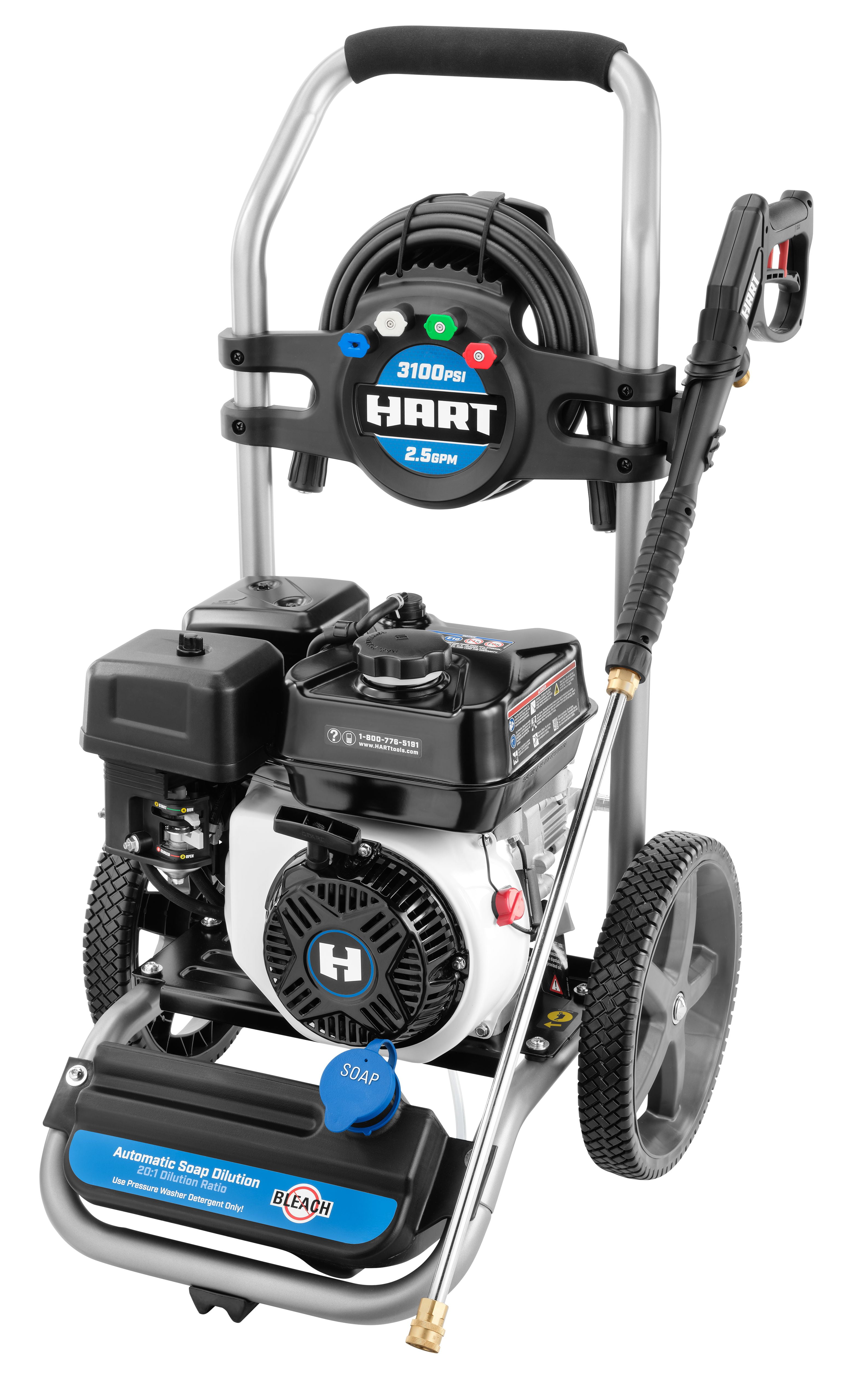
Out of curiosity, I checked if any pressure washer actually uses 2 cycle oil. The answer is yes—but they are rare. Some very old or small, portable pressure washers use 2-stroke engines. In these, you do mix 2 cycle oil with gasoline. But modern pressure washers—especially the ones you find at home improvement stores—are almost always 4-stroke.
Check the label on your machine. If it says “4-stroke” or “4-cycle,” do NOT use 2 cycle oil.
Real-world Example: The Cost Of Using The Wrong Oil
A neighbor of mine once borrowed my pressure washer. He thought he was helping by topping off the oil—with 2 cycle oil from his chainsaw. After an afternoon’s use, the engine started rattling and then seized up. The repair shop said the oil caused premature wear and would cost more to fix than buying a new one.
That’s when I realized: The right oil isn’t just about performance—it can save you money and headaches in the long run.
Signs You Used The Wrong Oil
If you’re worried you’ve already made a mistake, look for these signs:
- Engine makes knocking noises
- White or blue smoke from exhaust
- Loss of power
- Difficulty starting
If you notice these, drain the oil immediately and refill with the correct type. Sometimes you can save the engine if you act fast.
How To Change Pressure Washer Oil Safely
If you’ve used the wrong oil, here’s what I do to fix it:
- Turn off the engine and let it cool.
- Remove the drain plug and let all oil flow out into a container.
- Replace the drain plug and refill with the recommended oil (usually about 16-20 ounces).
- Run the engine for a few minutes, then check the oil level and top off if needed.
Oil Change Frequency
I change my pressure washer oil after the first 5 hours of use, then every 50 hours or at the start of each season. This keeps things running smoothly.
Comparing Oil Types For Pressure Washers
Here’s a quick comparison I made when choosing oil:
| Oil Type | Protection Level | Suitable For | Cost |
|---|---|---|---|
| 2 Cycle Oil | Low (for 4-stroke engines) | 2-stroke engines only | Low |
| SAE 30 | High | Most pressure washers | Medium |
| 10W-30 | High | All-season use | Medium |
| Pump Oil | Very High | Pumps only | Medium/High |
Two Non-obvious Insights
1. Pump And Engine Oil Are Not The Same
I used to think I could use engine oil for the pump. But pump oil is non-detergent and specially made for high-pressure environments. Using the wrong oil here can cause leaks or pump failure.
2. Seasonal Oil Choices
In cold weather, 10W-30 works better than SAE 30 because it flows easier at low temperatures. This helps your pressure washer start smoothly in spring or fall.
Common Mistakes People Make
- Using leftover oil from other tools (like chainsaws or trimmers)
- Ignoring the owner’s manual
- Mixing different oil types to “top off” the level
- Forgetting to change oil after winter storage
Trust me—I’ve done most of these at least once. The best fix is to always use the right oil and stick to a regular maintenance schedule.
What To Do If You Used 2 Cycle Oil By Mistake
If you accidentally used 2 cycle oil in your pressure washer:
- Stop using the machine right away.
- Drain the oil while the engine is still warm (not hot).
- Refill with the correct oil type.
- Run the engine for a few minutes, then change the oil again to flush out any residue.
- Monitor for strange noises or smoke. If problems continue, consult a repair shop.
How To Check What Oil Your Pressure Washer Needs
- Look for a sticker or label on the engine.
- Check the user manual (most are available online).
- Search for your model on the manufacturer’s website.
If you’re ever unsure, use SAE 30 or 10W-30—these are safe for most 4-stroke pressure washers. For more details on small engine oil types, you can visit the Wikipedia Motor Oil page.
Frequently Asked Questions
Can I Use 2 Cycle Oil In My 4-stroke Pressure Washer Engine?
No, you should not use 2 cycle oil in a 4-stroke engine. It doesn’t protect the engine properly and can cause damage or shorten its life.
What Happens If I Accidentally Put 2 Cycle Oil In My Pressure Washer?
If you use the wrong oil, your engine may run poorly, smoke, or even seize up. Stop using it, drain the oil, and refill with the correct type as soon as possible.
Are There Any Pressure Washers That Need 2 Cycle Oil?
Only some older or very small pressure washers with 2-stroke engines require 2 cycle oil mixed with gasoline. Most modern pressure washers are 4-stroke and need regular small engine oil.
Can I Use Synthetic Oil In My Pressure Washer?
Yes, synthetic small engine oil (like 10W-30 synthetic) is usually safe and offers better performance in extreme temperatures. Check your manual to be sure.
How Often Should I Change My Pressure Washer Oil?
Change the oil after the first 5 hours of use, then every 50 hours or at least once per season. This keeps your pressure washer running smoothly and extends its life.
Standing in my garage, looking back, I realize that using the right oil isn’t just about following rules—it’s about protecting your investment and avoiding frustration. I hope sharing my experience helps you make the best choice for your pressure washer, so you can keep cleaning with confidence for years to come.
As an Amazon Associate, We earn from qualifying purchases