
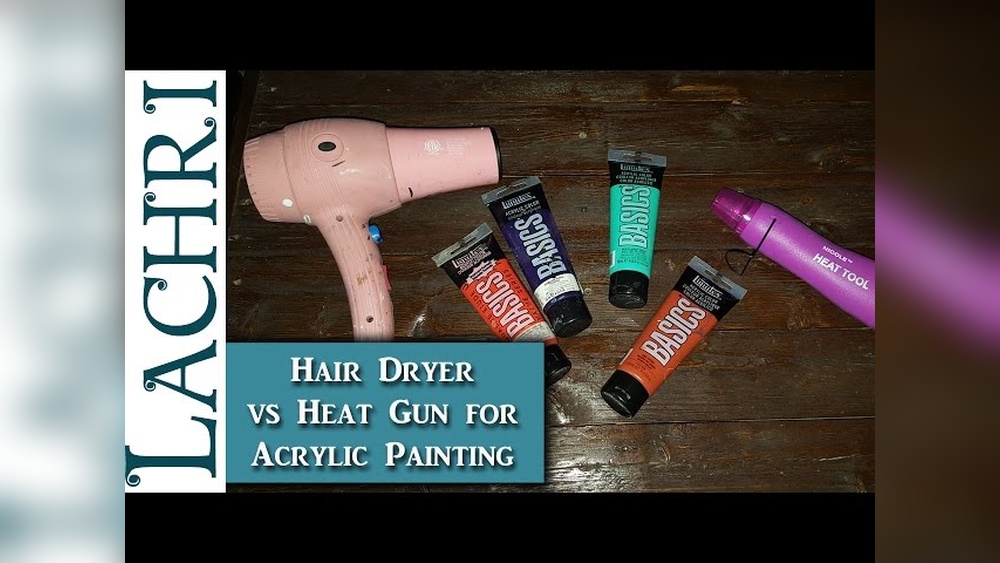
Trying to paint with acrylics can be a wonderful, creative experience—until you’re stuck waiting for layers to dry. I remember how impatient I felt, especially when I had a vision in my head and didn’t want to lose the flow. Like many others, I wondered: Can I use a heat gun to dry acrylic paint? After experimenting with different methods, facing a few disasters, and finally getting the hang of it, I want to share everything I learned. If you’re curious or frustrated by slow drying times, this article is for you.
Can You Use A Heat Gun To Dry Acrylic Paint?
The short answer: Yes, you can use a heat gun to dry acrylic paint—but there’s a right way and a wrong way. I learned this the hard way. During my early attempts, I scorched the canvas and made bubbles in the paint. But with the right approach, a heat gun can speed up your painting process without ruining your work.
How Acrylic Paint Dries
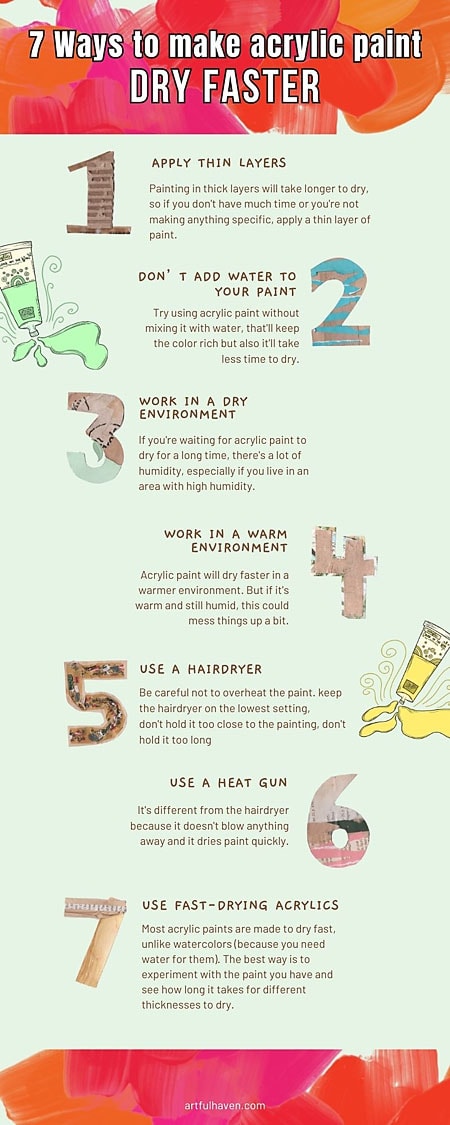
Understanding how acrylic paint dries helps you use a heat gun safely. Acrylic paint dries in two main steps:
- Water evaporates from the paint.
- The acrylic polymer particles form a solid film.
Unlike oil paints, which use chemical reactions, acrylics mostly depend on evaporation. That’s why heat, wind, and humidity all make a difference.
Factors Affecting Drying Time
From my experience, these factors really change how fast your paint dries:
- Room temperature: Warm rooms (above 21°C/70°F) speed things up.
- Humidity: High humidity slows drying.
- Airflow: A gentle fan or open window can help.
- Paint thickness: Thicker layers take much longer.
For example, I once painted a thick background, and it was still tacky after two hours, but a thin glaze dried in minutes.
How A Heat Gun Works With Acrylic Paint
A heat gun blows hot air, usually between 100°C and 600°C (212°F to 1112°F). It’s much hotter than a hair dryer. This intense heat can evaporate water from acrylic paint quickly. But it can also damage the paint or canvas if used carelessly.
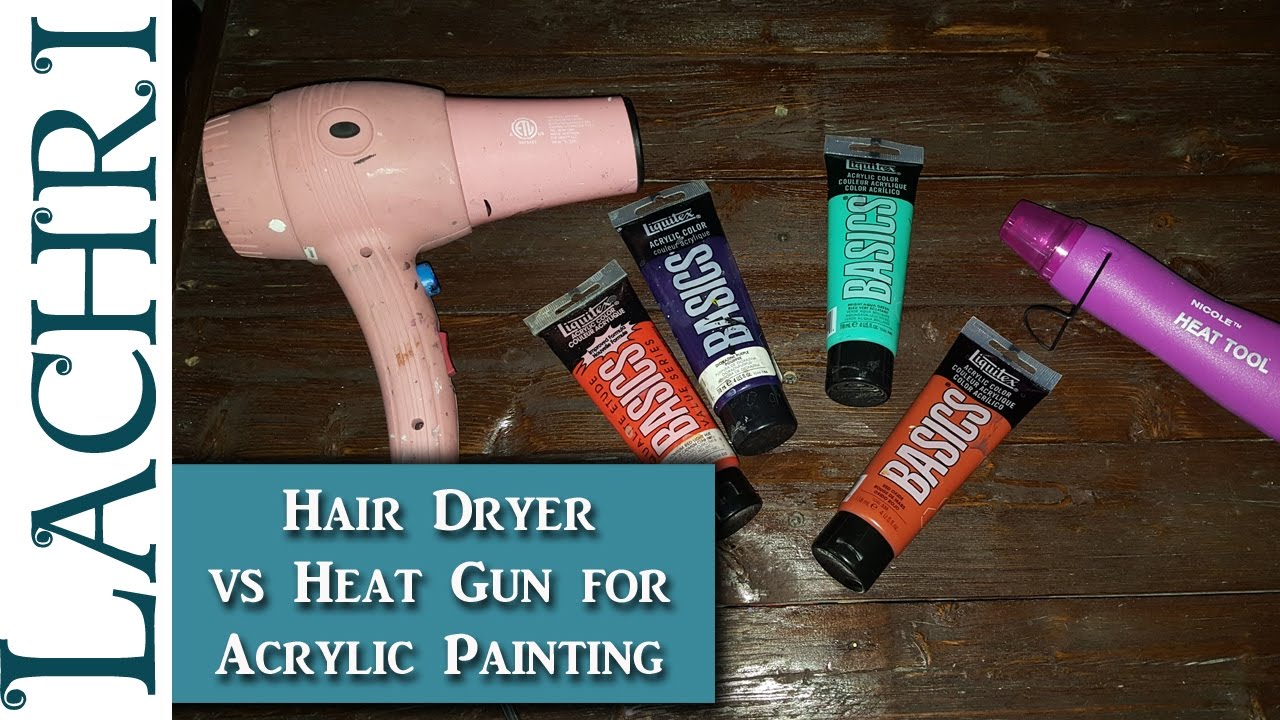
Differences Between A Heat Gun And A Hair Dryer
I tried both, so here’s how they compare for drying acrylic paint:
| Feature | Heat Gun | Hair Dryer |
|---|---|---|
| Temperature Range | 100°C–600°C (212°F–1112°F) | 30°C–60°C (86°F–140°F) |
| Airflow Strength | High, focused | Gentler, diffused |
| Risk of Damage | High if too close/too hot | Low |
| Drying Speed | Very fast | Moderate |
In short, a heat gun works faster but needs more care.
Pros And Cons Of Using A Heat Gun
Like any tool, a heat gun has its benefits and risks. Here’s what I found after several painting sessions.
Benefits
- Faster Drying: I could finish multi-layered works in one sitting instead of waiting overnight.
- Special Effects: Heat can create interesting textures and bubbles if used creatively.
- Saves Time for Deadlines: Great for quick sketches or commissions.
Risks
- Melting or Warping Canvas: Too much heat can ruin stretched canvas or paper.
- Paint Cracking or Bubbling: If the top dries too fast, the bottom layer stays wet and forms bubbles or cracks.
- Color Changes: Overheating can slightly change the color or finish.
I once ruined a detailed flower painting because I held the gun too close. The paint blistered, and I had to start over. It was a tough lesson in patience and technique.
Safe Steps: How To Use A Heat Gun On Acrylic Paint
If you decide to try a heat gun, follow these steps. I’m sharing exactly what worked for me—and what mistakes to avoid.
1. Use The Lowest Heat Setting
Always start with the lowest temperature. Most acrylics don’t need extreme heat. I use a setting around 120°C (250°F). High heat is more likely to cause damage.
2. Keep A Safe Distance
Hold the heat gun about 20–30 cm (8–12 inches) away from the surface. Too close, and you risk burning the paint or canvas. I move the gun in slow, steady circles to avoid hot spots.
3. Keep Moving
Never hold the gun in one place. I learned to keep it moving to prevent blisters or scorch marks.
4. Work In Layers
Dry one thin layer at a time. If you try to dry thick paint with a heat gun, the top will form a skin, but the inside stays soft. This causes cracks later.
5. Watch For Overheating
If you see bubbles or the paint looks shiny and uneven, stop immediately. Let it cool down before trying again.
6. Test Before Committing
I always test on a scrap piece first. Different brands of acrylics react differently. Some handle heat better than others.
Common Mistakes To Avoid
I made a few classic mistakes before getting it right. Here’s what I wish someone had told me:
- Don’t rush thick layers: Thick paint needs more time, even with a heat gun.
- Don’t overheat one spot: Move the gun constantly.
- Don’t use maximum heat: More heat doesn’t mean faster drying—just more damage.
- Don’t use on sensitive surfaces: Paper, wood, and plastic can warp or burn easily.
One time, I painted on a thin sketchbook page and used the heat gun. The page curled up and stuck to itself, ruining my work. Now I only use a heat gun on sturdy canvases or panels.
When Should You Use A Heat Gun?
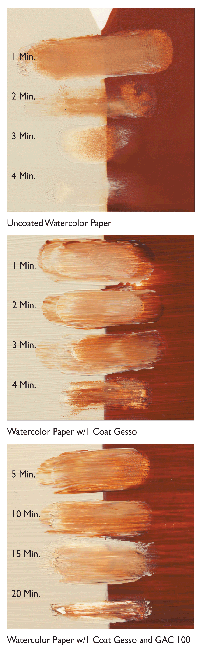
A heat gun is not always the answer. I use it when:
- I’m working in layers and need fast drying.
- I want to create special effects like bubbles or rough textures.
- I’m on a tight deadline.
But I avoid it for final layers or when I want a smooth, even finish. Sometimes, natural drying just looks better.
Alternatives To A Heat Gun
If you don’t have a heat gun or want something gentler, there are other ways. I’ve tried these with good results:
- Hair Dryer: Less risky, especially on low heat.
- Fan: Gentle airflow dries paint without heat.
- Dehumidifier: Reduces moisture in the air for faster drying.
- Thin Paint Layers: The thinner the application, the quicker it dries.
Here’s how these alternatives compare to a heat gun:
| Method | Drying Speed | Risk Level | Effect on Finish |
|---|---|---|---|
| Heat Gun | Fastest | High | Possible texture changes |
| Hair Dryer | Fast | Low | Minimal effect |
| Fan | Medium | Very low | No effect |
| Dehumidifier | Medium | Very low | No effect |
| Thin Layers | Varies | None | No effect |
When Not To Use A Heat Gun
There are moments when using a heat gun is a bad idea. Based on my experiments, avoid it when:
- Painting on delicate paper: The heat can warp or burn thin surfaces.
- Working with children: Safety risks are too high.
- Using slow-drying mediums: Some acrylic mediums are meant to dry slowly for blending.
- Finishing coats: For final layers, air drying gives a smoother, glossier finish.
Tips For Best Results
Here are a few extra tips I picked up along the way:
- Ventilate the room: Heat can release fumes from paint or canvas.
- Use a mask if needed: Especially for large paintings or if you notice strong smells.
- Check manufacturer advice: Some acrylic brands warn against heat guns.
- Practice patience: Sometimes, letting the paint dry naturally is the best choice.
Real-world Example
Let me share a story. I was once working on a large abstract painting for a friend’s birthday. I had only one evening to finish. I used my heat gun carefully, drying each layer before adding the next. It worked—no cracks, and I even liked the subtle texture from the heated paint.
But another time, I got overconfident and used the gun on a wet, thick area. The paint bubbled and turned yellowish. Now, I’m more careful and only use the heat gun when it makes sense.
What Beginners Often Miss
- Heat affects colors and texture: Even gentle heat can change the way your paint looks. Always test first.
- Hidden moisture under the surface: Even if the top feels dry, the paint underneath can still be wet. Wait a bit before adding new layers or varnishing.
Many new painters think a heat gun is a magic solution. It’s not. It’s a tool—useful, but only with care.
How To Choose The Right Heat Gun
If you plan to buy one, look for these features:
- Adjustable temperature: Lower settings are safer for art.
- Nozzle attachments: Diffuser tips spread heat more evenly.
- Lightweight: Easier to hold for long periods.
I use a basic model with variable heat, and it works well for my needs. Don’t buy the most powerful model—you won’t need it for art.
For more technical details about heat guns, check out this Wikipedia page on heat guns.
Safety Tips
Never forget safety. I always:
- Keep flammable materials away.
- Wear gloves if the gun gets hot.
- Let the heat gun cool before storing.
- Unplug when not in use.
A heat gun is no toy. I once left mine plugged in and nearly burned my table. Don’t make my mistake!
Frequently Asked Questions
Does A Heat Gun Make Acrylic Paint Dry Faster Than A Hair Dryer?
Yes, a heat gun dries paint faster than a hair dryer because it produces more heat. But, it also brings more risk of damaging the paint or canvas. For most small projects, a hair dryer is enough.
Can I Use A Heat Gun On Craft Items Like Plastic Or Wood?
Use caution. Heat guns can melt plastic or scorch wood. Always test on a small piece first and use the lowest setting possible.
Will A Heat Gun Change The Color Of My Acrylic Paint?
If you use too much heat, the paint can yellow or darken slightly. This is more likely with lighter colors or thin layers. Test before using on your main artwork.
Is Using A Heat Gun Safe Inside The House?
Yes, but make sure your space is well-ventilated. Heat can release fumes, especially from some paints or canvases. Never use near curtains, paper, or anything flammable.
What Should I Do If My Paint Bubbles Or Cracks?
Stop using the heat gun and let the painting cool and dry naturally. Next time, use less heat and keep the gun farther from the surface.
—
Drying acrylic paint quickly can be a huge relief for artists, but a heat gun is a tool that requires respect. I’ve had great results and some frustrating failures. If you use it with care, test your materials, and remember that patience still has a place in art, you’ll get the benefits without the disasters.
Happy painting!
As an Amazon Associate, We earn from qualifying purchases