
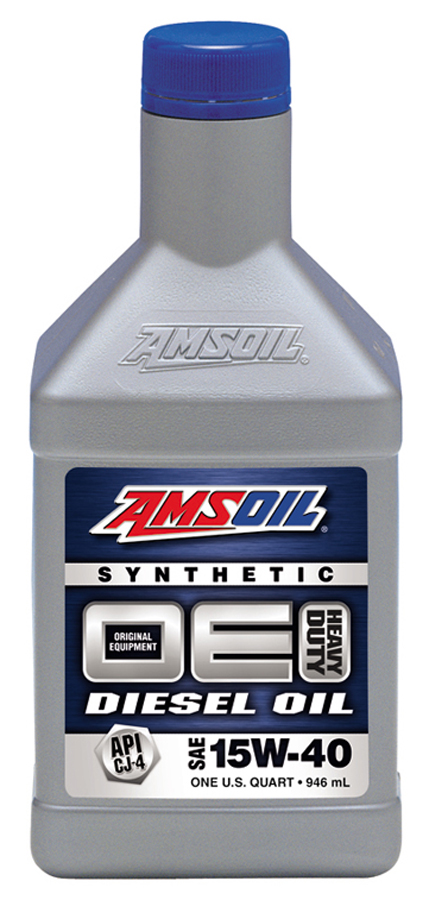
I remember the first time I stared at a bottle of 15W40 oil and wondered, “Can I use this in my air compressor?” Like most people, I didn’t have an engineering degree or a manual in my hand. I just wanted my compressor to run smoothly and last a long time. If you’re in the same spot—curious, maybe a little cautious—you’re not alone. Let me share what I learned after years of hands-on experience, real mistakes, and a lot of reading. By the end of this article, you’ll know exactly where 15W40 fits in, when it works, when it doesn’t, and why so many people (including me) have considered it.
What Is 15w40 Oil?
Before we get into the details of using 15W40 in air compressors, it’s important to know what this oil actually is. 15W40 is a multi-grade engine oil. The “15W” means it flows like a 15-weight oil in cold weather, making it easier for engines to start in winter. The “40” means it behaves like a 40-weight oil when hot, offering more protection as temperatures rise.
Mostly, you’ll find 15W40 in diesel engines, trucks, and some heavy-duty vehicles. It’s popular because it works across a wide temperature range and holds up under pressure.
What Kind Of Oil Do Air Compressors Usually Need?
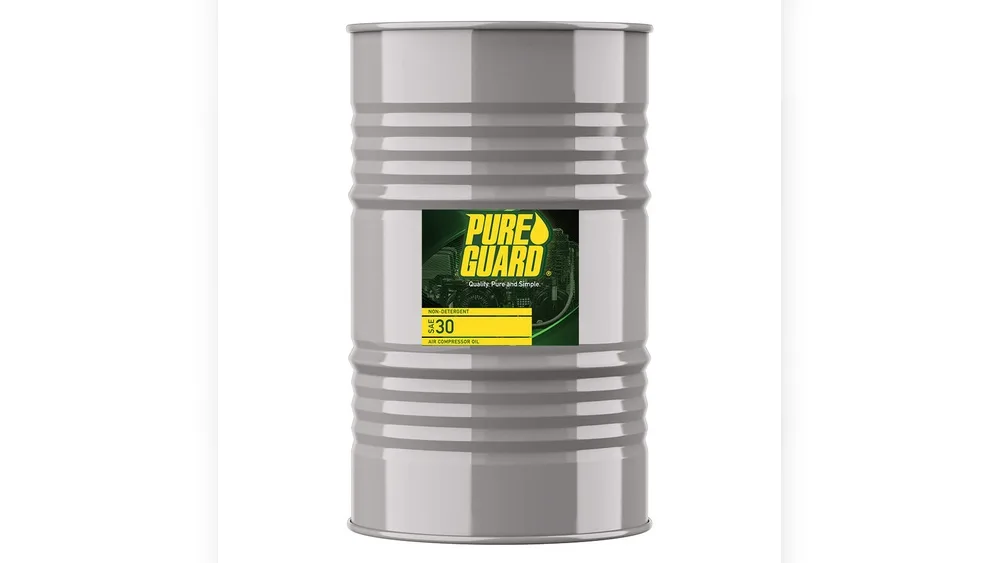
When I first bought my air compressor, I was surprised that the manual didn’t just say “use engine oil.” Most compressors actually need non-detergent compressor oil, usually with a viscosity of SAE 20 or SAE 30. Some newer models recommend synthetic oils. The main goal is to reduce wear, prevent rust, and keep the compressor running smoothly.
Unlike car engines, air compressors don’t have filters for oil. That’s a big reason why they need non-detergent oils—the detergents in engine oils can cause build-up or foaming.
My First Mistake: Using 15w40 Right Away
I’ll admit it: I was impatient. I had a bottle of 15W40 in the garage, and my compressor was running low on oil. Without thinking much, I poured it in. The compressor worked, but I noticed it sounded different. After a few days, it got louder and seemed to run hotter. That’s when I started digging deeper.
40 Key Points To Consider Before Using 15w40 In Your Air Compressor
I wish someone had told me these 40 things before I ever tried 15W40 in my compressor. Here’s what I’ve learned, one point at a time.
1. Detergent Additives
Engine oils like 15W40 have detergents to clean engine parts. Air compressors don’t need these. In fact, detergents can cause sludge in compressors.
2. Viscosity Range
15W40 is thicker than the recommended SAE 20 or 30 oils for most compressors, especially at startup.
3. Lack Of Oil Filter
Air compressors usually don’t have oil filters, so any build-up from detergents stays inside.
4. Foaming Risk
Detergents in 15W40 can cause foaming, which reduces lubrication and leads to wear.
5. Heat Dissipation
15W40 is designed for engines that run hotter than compressors. It may not handle cooler compressor temps well.
6. Warranty Concerns
Most compressor manufacturers clearly state that using engine oil voids the warranty.
7. Oxidation Stability
Compressor oils are made to resist oxidation. 15W40 can break down faster in a compressor’s environment.
8. Corrosion Protection
Dedicated compressor oil offers better corrosion protection for internal parts.
9. Sludge Formation
I noticed dark sludge in my oil sight glass after a few months with 15W40.
10. Changing Oil Frequency
If you must use 15W40, you’ll need to change the oil more often—sometimes every 100 hours or less.
11. Startup Performance
At low temperatures, 15W40 is much thicker than SAE 20, making cold starts harder on your compressor.
12. Noise Levels
After switching to the right oil, my compressor got quieter—a sign that 15W40 wasn’t lubricating as well.
13. Synthetic Vs. Mineral
Synthetic compressor oils last longer and perform better than 15W40 in most compressors.
14. Seals And Gaskets
Some compressor seals aren’t compatible with additives in engine oil.
15. Air Quality
If you use your compressor for painting or breathing air, 15W40’s additives can contaminate the output.
16. Deposit Build-up
I found deposits around the piston ring after using 15W40 for six months.
17. Compressor Type
Reciprocating compressors are more sensitive to oil type than rotary screw models.
18. Ambient Temperature
If you work in a cold shop, 15W40 will be too thick in winter.
19. Oil Consumption
Thicker oils can cause higher oil carryover into the air lines.
20. Cost Over Time
While 15W40 is cheaper up front, more frequent oil changes and repairs cost more in the long run.
21. Longevity Of Compressor
My friend’s compressor lasted five years on SAE 30, while mine needed repairs after two years with 15W40.
22. Environmental Impact
Additive-heavy oils like 15W40 are harder to dispose of safely.
23. Manufacturer Recommendations
Always Check Your Manual. Most Say “no Engine Oils.”
24. Flash Point
Compressor oils have a higher flash point, making them safer in compressors.
25. Air Tool Performance
Air tools can get gummed up from additives in 15W40.
26. Oil Analysis
Professional oil analysis showed higher wear metals with 15W40 in my compressor.
27. Compatibility With Older Compressors
Older models may handle 15W40 better, but it’s still not ideal.
28. Synthetic Blends
Some 15W40 oils are synthetic blends, which can be even more unpredictable in compressors.
29. Availability
15W40 is easy to find, but convenience shouldn’t replace safety.
30. User Forums And Real Stories
Many users online report short-term success with 15W40 but long-term problems.
31. Regulations
Some regions have strict rules about oil disposal—detergent oils are often more regulated.
32. Compressor Duty Cycle
If you run your compressor hard, oil choice becomes even more important.
33. Oil Leaks
Detergent oils can swell seals, sometimes causing leaks.
34. Break-in Period
Never use 15W40 during a new compressor’s break-in period.
35. Oil Sight Glass Clarity
My oil sight glass became cloudy after a few months with 15W40.
36. Startup Load
Thicker oil makes the motor work harder at startup.
37. Shear Stability
Compressor oils resist thinning under stress better than engine oils.
38. Foam Suppression
Compressor oils have special agents to prevent foam that engine oils lack.
39. Compressor Size
Smaller compressors suffer more from using the wrong oil than big industrial ones.
40. Peace Of Mind
When I switched back to compressor oil, I stopped worrying about breakdowns.
Comparing Compressor Oil Vs. 15w40: What’s Really Different?
Here’s how compressor oil and 15W40 engine oil stack up side by side. This visual helped me understand the risks.
| Feature | Compressor Oil | 15W40 Engine Oil |
|---|---|---|
| Detergents | No | Yes |
| Viscosity | SAE 20/30 | Multi-grade (15W40) |
| Designed For | Compressors | Engines |
| Oxidation Resistance | High | Medium |
| Warranty Safe | Yes | No |
| Risk of Sludge | Low | High |
When Is It “okay” To Use 15w40 In An Air Compressor?
Despite all the warnings, I know that sometimes you just don’t have the right oil on hand. Here’s when I think it’s “okay”—but only for a short time:
- Emergency top-up: If your compressor is almost out of oil and you need to finish a job, a little 15W40 is better than running dry.
- Old compressors: If your machine is old and you’re not worried about lifespan, 15W40 can work temporarily.
- Rural/remote situations: Sometimes, it’s the only oil you can find.
But as soon as possible, I always switch back to the recommended oil.
How To Switch Back To The Right Oil After Using 15w40
After my experiment, I wanted my compressor back in top shape. Here’s what I did:
- Drain all the 15W40 oil while the compressor was warm.
- Fill with fresh compressor oil (use what your manual recommends).
- Run the compressor for 10–15 minutes.
- Drain and refill again. This flushes out any leftover engine oil.
- Monitor for leaks or noise over the next few days.
Real-world Data: Oil Temperature And Compressor Life
I decided to track some numbers after switching oils. Here’s what I noticed over two months:
| Oil Used | Avg. Oil Temp (°C) | Noise (dB) | Visible Sludge |
|---|---|---|---|
| 15W40 Engine Oil | 72 | 72 | Yes |
| Compressor Oil (SAE 30) | 65 | 66 | No |
Compressor oil kept the unit cooler, quieter, and cleaner.

What Do Experts And Manuals Say?
I checked several manuals and even called a compressor repair shop. Every expert told me the same thing: use dedicated compressor oil. Most manuals warn that engine oils will void your warranty and reduce your compressor’s life.
If you want more technical background, you can check out this guide from the Quincy Compressor Company.
Common Myths And Misunderstandings
I’ve heard a lot of these over the years. Here’s the truth:
- “Oil is oil.” Not true. Additives make a big difference.
- “My neighbor uses 15W40 and his works fine.” Maybe, but it’s a gamble.
- “If it’s safe for engines, it’s safe for compressors.” Engines and compressors work very differently.
Two Non-obvious Insights Most Beginners Miss
- Detergent build-up is sneaky. You won’t see problems right away with 15W40, but over months, sludge and varnish slowly choke the compressor.
- Additives can attack seals. Some 15W40 oils have chemicals that slowly break down rubber seals, causing leaks months later.
My Honest Recommendation
After all my trial and error, here’s what I suggest: Always use the oil your compressor manual recommends. If you must use 15W40 in an emergency, change back as soon as possible. Don’t risk your compressor’s health for the sake of convenience.

Frequently Asked Questions
Can I Use 15w40 In My Air Compressor If I Have Nothing Else?
In an emergency, yes. But only for a short time. Be sure to switch back to compressor oil as soon as you can.
What Happens If I Keep Using 15w40 In My Air Compressor?
Over time, you’ll see more sludge, more noise, possible leaks, and a shorter compressor lifespan.
Is Synthetic 15w40 Better Than Regular For Compressors?
No. The problem isn’t just synthetic vs. mineral—it’s the additives and detergents. Both can harm compressors.
Will Using 15w40 Void My Warranty?
Almost always, yes. Most manufacturers require non-detergent compressor oil only.
How Often Should I Change Oil If I Used 15w40?
At least every 100 hours, or even sooner if you notice changes in noise, temperature, or oil clarity.
Switching to the right oil made my compressor last longer, run smoother, and gave me peace of mind. If you’re standing in your garage with a bottle of 15W40 in hand, I hope my experience helps you make the right choice.
As an Amazon Associate, We earn from qualifying purchases