
Can I Use A Nail Gun On Concrete?
I remember the first time I tried to use a nail gun on concrete. I was nervous and curious. Could a tool I used for wood really handle something as tough as concrete? That day taught me a lot, and I want to share everything I learned with you.
If you’re thinking about using a nail gun on concrete, you probably have many questions. Is it safe? Does it work? What do you really need to know before you start? I’ll answer all these questions and more, using my own experiences and mistakes.
What Happens When You Use A Nail Gun On Concrete?
The first thing I learned is that not every nail gun is made for concrete. The standard nail guns I used for wood trim and framing just didn’t work. I tried using regular nails, and they bent or bounced right off. The noise was loud, and the results were disappointing. Concrete is much harder and denser than wood.
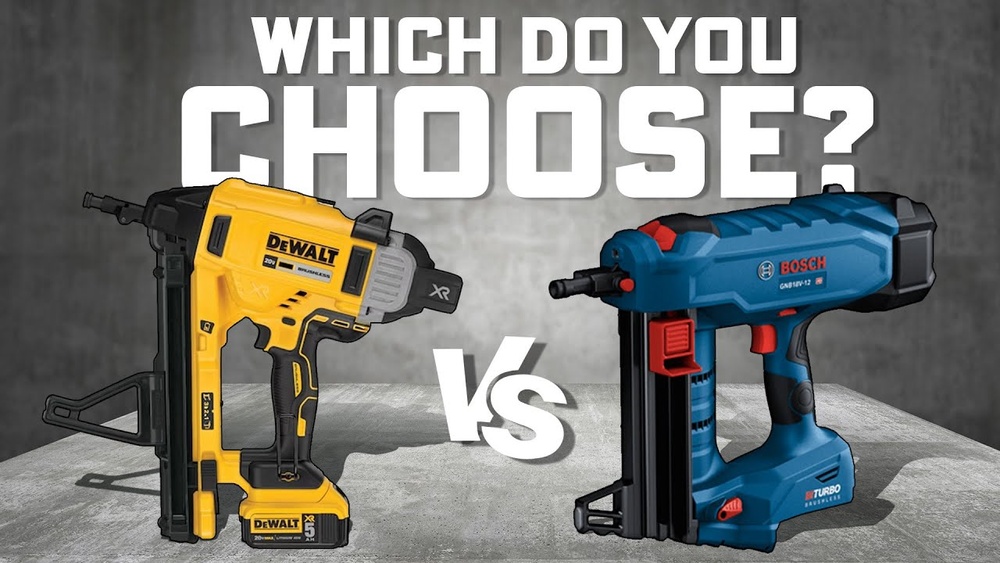
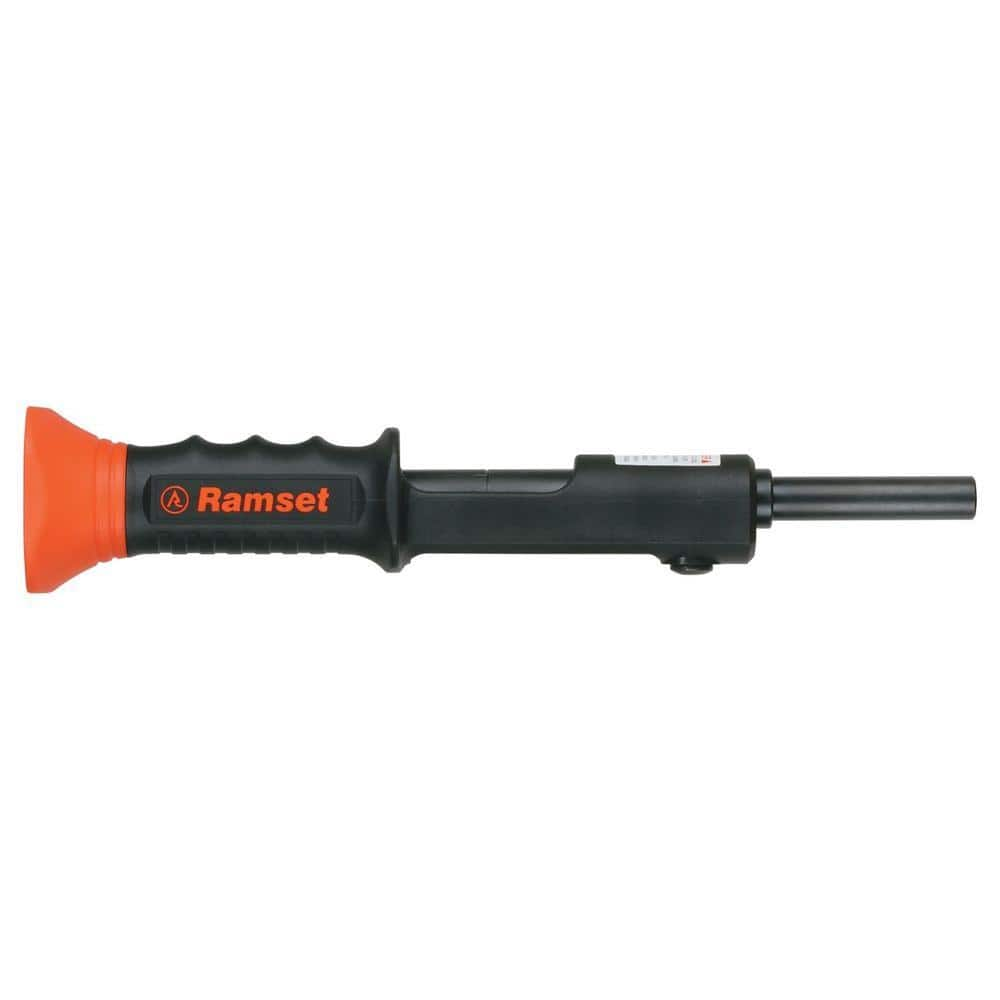
But then I discovered concrete nail guns (sometimes called powder-actuated tools or concrete nailers). These tools are designed for hard surfaces like concrete, brick, or steel. They use special nails and more power to drive fasteners into concrete.
Regular Nail Guns Vs. Concrete Nail Guns
Let me show you a simple comparison. This helped me understand why my regular nail gun wasn’t enough:
| Type of Nail Gun | Best For | Can It Nail Concrete? |
|---|---|---|
| Regular (Pneumatic/Electric) | Wood, drywall, soft materials | No |
| Concrete Nail Gun (Powder-actuated) | Concrete, masonry, steel | Yes |
| Hammer Drill with Concrete Anchors | Concrete, brick (with anchors) | Yes (with anchors) |
This made it clear: if you want to nail into concrete, you need the right tool.
How Concrete Nail Guns Work
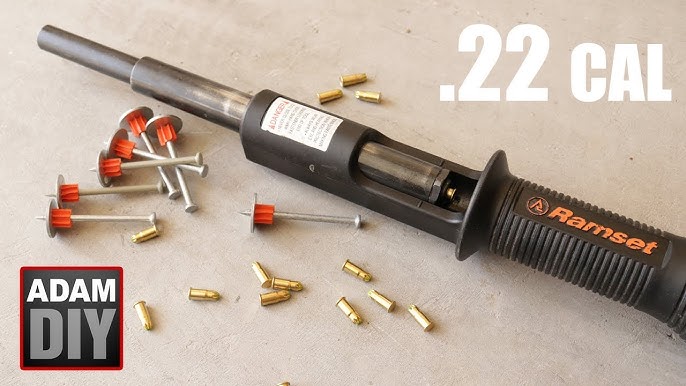
When I first picked up a powder-actuated tool, I was surprised by how powerful it was. These tools use small gunpowder cartridges to fire special nails into hard surfaces. It’s almost like a small firearm, so safety is very important.
Here’s how it works in simple steps:
- Load the special concrete nail into the tool.
- Insert a powder cartridge (color-coded by power level).
- Place the tool against the concrete.
- Press and fire—the nail is shot into the concrete with force.
The result? The nail is set deep and holds strong. It’s fast and saves a lot of time compared to drilling holes and using anchors.
When Should You Use A Nail Gun On Concrete?
Not every job calls for a concrete nail gun. Here’s when I found it most useful:
- Attaching wood framing to a concrete floor or wall
- Securing metal tracks for drywall partitions
- Fixing furring strips or plywood to concrete
- Installing electrical boxes or conduit clips
If you need a strong, quick hold, and don’t want to spend hours drilling, this tool is a lifesaver.
But if you need to hang something heavy (like cabinets or big shelves), or you need to remove and reuse the fastener, concrete anchors or screws might be better.
What Nails Should You Use For Concrete?
Using the right nails is as important as the right tool. I tried using cheap or normal nails, and they just didn’t work. For concrete, you need hardened nails made for masonry.
Here’s a quick breakdown of nail types:
| Nail Type | Material | Best For | My Experience |
|---|---|---|---|
| Regular Brad Nails | Soft steel | Wood | Bent or broke on concrete |
| Concrete Nails | Hardened steel | Concrete, masonry | Worked well with the right tool |
| Drive Pins (for powder-actuated tools) | Special hardened steel | Concrete, steel | Best results, strong hold |
Always use the fasteners recommended by the tool manufacturer. Using the wrong nail can be dangerous.
My First Attempt: What Went Right, What Went Wrong
The first time I used a concrete nail gun, I made a few mistakes. I didn’t wear ear protection, so the noise was shocking. I also didn’t check the concrete for cracks. One nail hit a weak spot and chipped the surface.
But after a few tries, I got the hang of it.
What went right:
- The nails went in fast, much faster than drilling.
- The hold was very strong for light to medium loads.
- Setup was simple once I read the manual.
What went wrong:
- I didn’t check the power level of the cartridge. The nail went too deep and damaged the wall.
- I skipped safety glasses—big mistake! Concrete chips can fly.
- I tried on old, crumbly concrete. That led to cracks.
So, I learned: always wear safety gear, test in a small spot first, and start with a lower power cartridge.
Safety Tips You Can’t Ignore
Using a nail gun on concrete is not like using one on wood. It’s more powerful and dangerous if you’re not careful. Here are the most important tips I wish someone had told me:
1. Wear Safety Glasses And Ear Protection.
The noise is loud, and concrete chips can fly.
2. Never Point The Tool At Anyone.
It’s not a toy.
3. Press The Tool Firmly Against The Surface Before Firing.
This ensures the nail goes in straight and doesn’t ricochet.
4. Check The Concrete For Cracks Or Weak Spots.
Nails can break old or brittle concrete.
5. Use The Right Power Cartridge.
Start low and increase if needed. Too much power can damage the surface.
- Keep hands and body parts away from the nailing area.
- Read the manual every time you use a new tool.
Each model is a little different.
I once saw a nail bounce off and nearly hit my foot. That’s when I started wearing boots too.
Common Problems And How I Fixed Them
I had a few issues when learning to use a nail gun on concrete. Here’s what happened and how I solved each problem:
Nails Not Going In
Sometimes the nails just wouldn’t penetrate. This happened when the concrete was extra hard, or I used a low-power cartridge. I switched to a higher power level, and things got better. But you have to be careful—not to overdo it.
Nails Bending Or Breaking
This happened when I tried to use regular nails or old, rusty fasteners. Hardened concrete nails made all the difference.
Concrete Cracking
If the concrete is weak or old, it can crack easily. I started choosing spots away from edges and pre-testing with a single nail.
Tool Jams
A jammed tool is frustrating. I learned to clean the tool regularly and use only the right nails and cartridges.
When Not To Use A Nail Gun On Concrete
I also learned some situations where it’s better to avoid using a nail gun:
- Old or crumbly concrete: The force can cause cracks or break the surface.
- Structural concrete (like beams or load-bearing walls): You don’t want to weaken these.
- Near the edges: Nails too close to the edge can split the material.
- When you need to remove the fastener later: Anchors or screws are better.
If you’re ever unsure, it’s best to check with a building professional or use an alternative fastening method.
Alternatives To Concrete Nail Guns
Sometimes, a nail gun isn’t the best choice. Here are some other methods I’ve tried:
1. Hammer Drill And Concrete Screws (tapcon):
This is slower but gives a strong, removable hold. You drill a hole, then screw in the anchor.
2. Epoxy Anchors:
Good for heavy loads. You drill a hole, fill it with epoxy, and insert a metal rod or bolt.
3. Adhesive Construction Glue:
For lightweight things, glue can work, but it’s not as strong or permanent.
I use a nail gun for quick jobs and light framing, but for heavy-duty or permanent work, I often use anchors.
Cost And Practical Considerations
You might wonder: is it expensive? Do you need a license? Here’s what I found:
- Tool rental: You can rent a powder-actuated nail gun from most hardware stores for about $20–$30 a day.
- Buy: New models start around $100, but professional ones can cost $300 or more.
- Cartridges and nails: Each pack is around $10–$20.
- Training: Some places require you to take a short safety course before renting.
If you only need it once, rental is the best option. For repeated use, owning your own can save money.
Real-world Example: Attaching Wood To Concrete
Last year, I built a small storage room in my garage. I needed to attach 2×4 wood studs to the concrete floor. Using a powder-actuated nail gun, I finished the job in less than 30 minutes. If I had used a hammer drill and anchors, it would have taken me several hours.
The frame held up well, and I didn’t have any cracks or loose nails.
My Top Tips For Success
If you’re new to nailing into concrete, here are my best tips:
- Start with a test nail in a hidden spot.
- Always wear safety gear—eyes, ears, hands, and feet.
- Use the right fasteners for your tool.
- If the nail doesn’t go in all the way, don’t try to hit it with a hammer. Remove and try again with a higher power level.
- Clean your tool after each use.
- Don’t rush. Take your time for best results.
Advanced Tips Most Beginners Miss
Here are two important things I wish I knew from the start:
- Moisture matters: Fresh, damp concrete is much softer than old, fully cured concrete. If you’re working on new construction, let the concrete cure for at least 28 days before nailing.
- Spacing is critical: Place nails at least 3 inches from any edge or crack to avoid splitting the concrete.
Missing these steps cost me time and frustration in the past.
Frequently Asked Questions
What Kind Of Nail Gun Do I Need For Concrete?
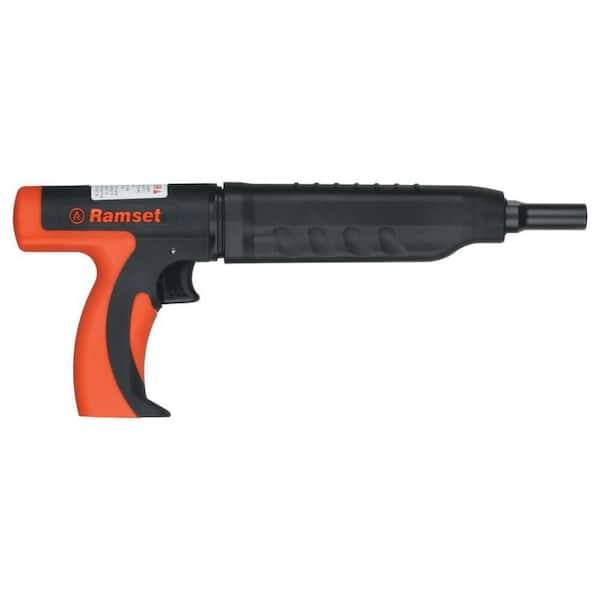
You need a powder-actuated nail gun (also known as a concrete nailer or Ramset tool). Regular nail guns for wood won’t work because they don’t have enough power.
Can I Use Regular Nails With A Concrete Nail Gun?
No, you should only use special hardened nails or drive pins made for concrete. Regular nails will bend, break, or even jam the tool.
Is It Safe To Use A Nail Gun On Concrete?
It’s safe if you follow all safety instructions, wear protective gear, and use the tool as directed. These tools are powerful, so respect them like you would a firearm.
What Do I Do If The Concrete Cracks?
Stop immediately. Move to a different spot away from cracks or weak spots. For old or damaged concrete, use anchors or adhesives instead of nails.
Where Can I Learn More About Concrete Nail Guns?
You can find detailed guides and safety info on the Wikipedia Powder-Actuated Tool page.
Using a nail gun on concrete can be fast and effective if you use the right tool and take safety seriously. My experience taught me that a little preparation goes a long way. I hope my story helps you get the job done right—and safely.
As an Amazon Associate, We earn from qualifying purchases