
When I first bought my air compressor, I was surprised by how many questions I had about oil. I knew that using the right oil was important, but I wasn’t sure if regular motor oil like 10W30 would work. I searched online, asked a few friends, and even read the manual (which was not very clear). If you’re wondering, “Can I use 10W30 in my air compressor?”—I’ve been in your shoes. Let me share everything I learned, what I tried, and what actually happened.
Why Oil Matters In Air Compressors
Oil is not just a detail for air compressors. It’s the lifeline for the moving parts inside. The piston, crankshaft, and bearings all depend on oil to keep them running smoothly and prevent overheating. When the wrong oil is used, parts can wear out much faster, or even break down.
I used to think oil was oil. But after a few hiccups with my own compressor, I realized air compressors have special needs. They run hotter and for longer times than car engines, and they often don’t have fancy filters.
What Is 10w30 Oil?
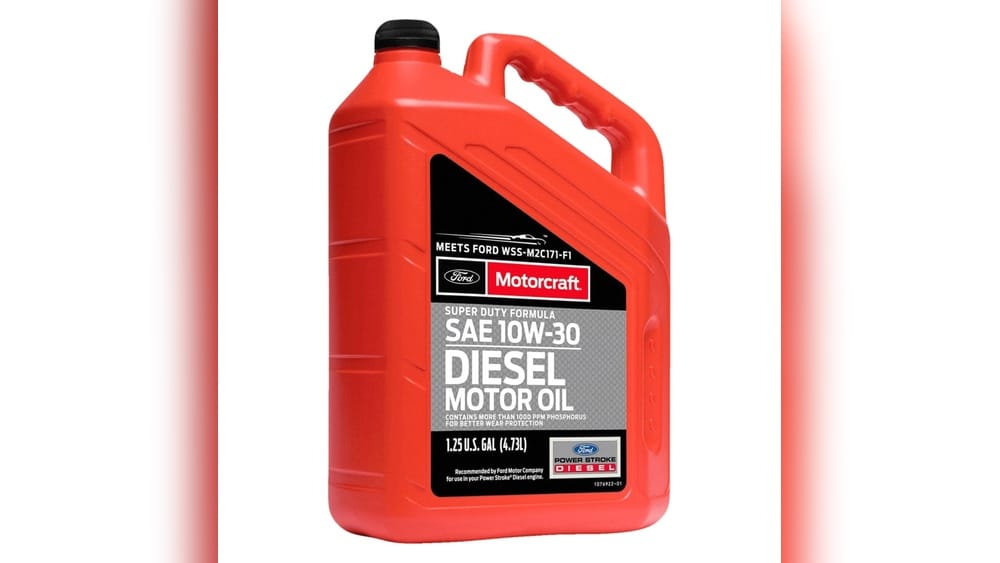
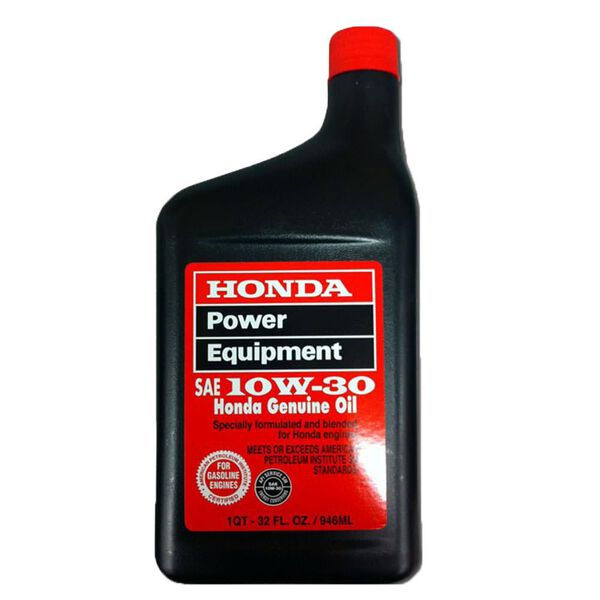
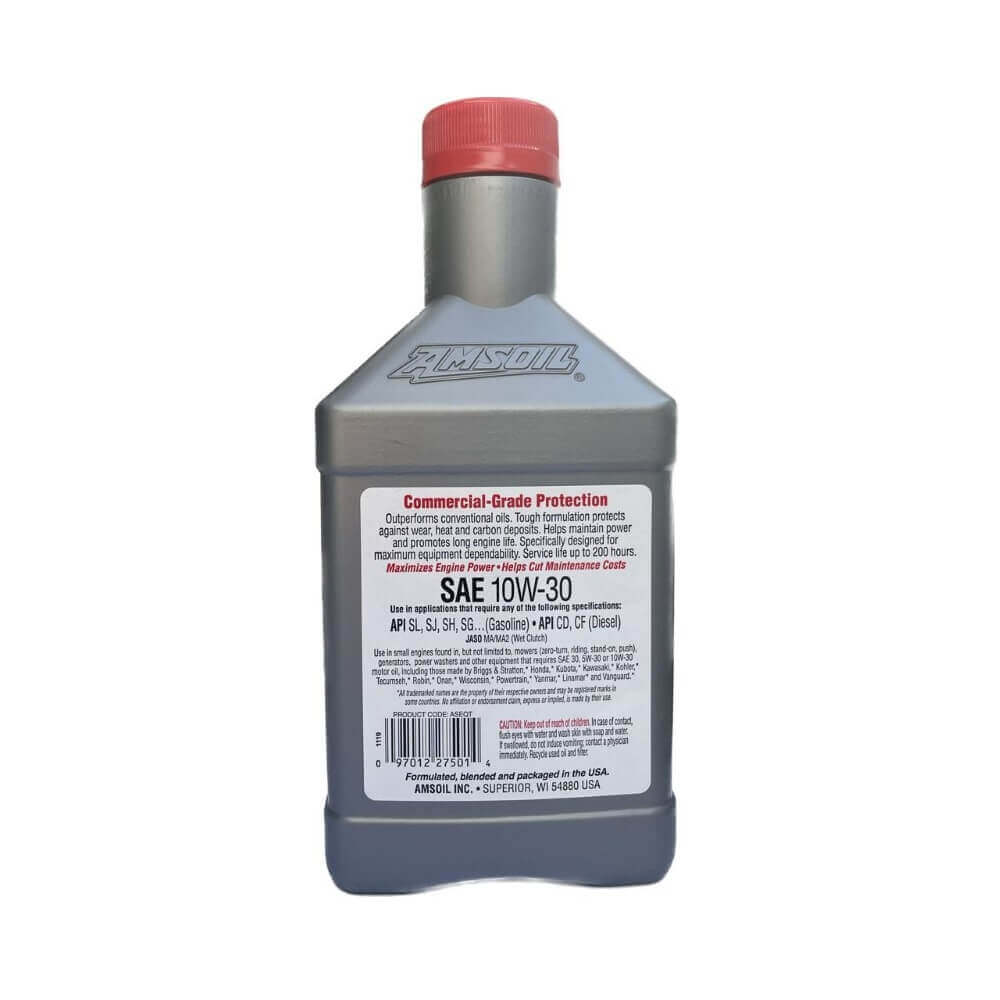
10W30 is a common motor oil for cars and trucks. The numbers describe its viscosity, or thickness. “10W” means it flows well in cold weather. “30” means it’s thick enough to protect engines at higher temperatures. It’s popular because it works in many climates, but it’s made mainly for engines—not compressors.
My Experience: Using 10w30 In An Air Compressor
When my air compressor ran low on oil, I reached for 10W30. I had some left from my last oil change. At first, everything seemed fine. The compressor started up, ran smoothly, and didn’t make any strange noises.
But after a few weeks, I noticed some small problems:
- The compressor took longer to start on cold mornings.
- I saw a light mist of oil near the exhaust.
- There was a faint burnt smell after long sessions.
These signs made me wonder if 10W30 was really a good idea.
30 Things I Learned About Using 10w30 In Air Compressors
Let me walk you through the 30 most important things I discovered—some from my own trial and error, and some from research and talking to other compressor owners.
1. Compressor Oil Vs. Motor Oil
Compressor oil is designed for air compressors. It usually doesn’t have the detergents and additives found in motor oil like 10W30. These additives can cause build-up or foam in compressors.
2. Viscosity Ratings Matter
Viscosity affects how well the oil coats and protects parts. 10W30 is thinner at cold temperatures but may be too thick or too thin depending on your compressor and climate.
3. Detergents And Additives
10W30 contains detergents to clean car engines. These aren’t needed in compressors and can create sludge or foam.
4. Manufacturer Recommendations
Most compressor manuals say to use non-detergent SAE 30 or special compressor oil. Ignoring this might void the warranty.
5. Oil Foaming Problems
I noticed some foaming in my sight glass after using 10W30. This can reduce lubrication and increase wear.
6. Wear And Tear
Motor oil can increase wear on seals and gaskets in compressors, leading to leaks.
7. Oxidation And Oil Breakdown
10W30 breaks down faster at high temperatures found in compressors, which means you might need to change it more often.
8. Cold Weather Performance
On cold mornings, 10W30 helped my compressor start easier. In really cold climates, this can be an advantage.
9. High Temperature Issues
During long uses, 10W30 sometimes thinned out too much, leading to that burnt oil smell.
10. Oil Consumption
I had to top up oil more often than with compressor oil, probably because 10W30 evaporated faster.
11. Sludge Formation
Over time, I saw some sludge in the oil pan. This is likely due to the detergents reacting with moisture.
12. Lubrication Quality
Compressor oil feels “slicker” and seems to coat parts better than 10W30.
13. Filter Clogging
If your compressor has an oil filter, 10W30 can clog it faster due to extra additives.
14. Air Quality
Some people use their compressor for painting or food tools. 10W30’s additives can contaminate air.
15. Cost Differences
10W30 is usually cheaper and easier to find. But the potential for damage can make it more expensive in the long run.
16. Carbon Build-up
Motor oils can leave carbon deposits on valves and pistons, reducing efficiency.
17. Compatibility With Synthetic Oils
Some compressor oils are synthetic. Mixing 10W30 with these can cause chemical reactions or thickening.
18. Environmental Impact
Detergents and additives in 10W30 are more harmful to the environment if they leak or are not disposed of properly.
19. Oil Life Span
Compressor oil lasts longer between changes. With 10W30, I had to change oil every 2-3 months.
20. Risk Of Voiding Warranty
If your compressor is new, using 10W30 can void the warranty. Always check your manual.
21. Operating Noise
I noticed my compressor was a bit noisier with 10W30, especially after longer use.
22. Risk Of Overheating
Thinner oils can cause overheating, especially in hot climates or with heavy use.
23. Moisture Handling
Compressor oil handles condensation better. 10W30 can mix with water and turn milky.
24. Oil Separation
After sitting, 10W30 sometimes separated or left a thin film on parts, which is not ideal.
25. Availability
In an emergency, 10W30 is available almost everywhere. But it’s still not the best choice for long-term use.
26. Long-term Durability
Compressors that run on the right oil last longer. I know a friend whose compressor failed after a year of using 10W30.
27. Risk Of Internal Rust
Compressor oils protect against rust better, especially in humid places.
28. Smell And Smoke
A burnt smell or light smoke from the exhaust can happen with 10W30—something I experienced myself.
29. Cleaning Difficulty
Cleaning sludge and build-up from 10W30 took more effort compared to compressor oil.
30. Peace Of Mind
After switching back to proper compressor oil, I felt better knowing my machine was protected.
Comparing Oils: What’s Different?
To really see the differences, here’s a quick comparison of 10W30 motor oil vs. standard compressor oil:
| Feature | 10W30 Motor Oil | Compressor Oil |
|---|---|---|
| Additives | Yes, detergents | No detergents |
| Viscosity Range | Wide range (multi-grade) | Single grade (often SAE 30) |
| Lubrication Quality | Good for engines | Best for compressors |
| Warranty Safe | Often no | Yes |
| Price | Lower | Higher |
When Is It Okay To Use 10w30?
If you’re in a pinch, and only need to run your compressor for a short time, 10W30 can work. I used it for a week when I couldn’t find compressor oil. But I watched for any signs of trouble—noise, smoke, or leaks.
However, for everyday use, I don’t recommend it. The risks add up over time.
What Happens If You Keep Using 10w30?
Based on my experience and what others have told me, here’s what you might face if you keep using 10W30:
- Increased wear and tear on moving parts
- More frequent oil changes
- Higher risk of internal rust and sludge
- More noise and heat
- Possible warranty problems
How To Choose The Right Oil For Your Compressor
If you’re not sure what to use, here’s a simple checklist I follow:
- Check the manual first. The manufacturer knows best.
- Use non-detergent SAE 30 for most garage compressors.
- For very cold places, consider a lighter oil (like SAE 20).
- For heavy-duty or pro compressors, buy the brand’s recommended oil.
My Final Recommendation
After trying both, I stick with compressor oil now. It’s a bit more expensive, but I don’t worry about damage or performance issues. My compressor runs quieter, starts smoother, and I don’t see weird sludge or burnt smells anymore.
If you’re ever stuck, 10W30 can be a short-term solution. But for peace of mind and long life, use the oil your compressor was designed for.
Common Mistakes When Using Oil In Compressors
Looking back, I made a few mistakes that I hope you can avoid:
- Ignoring the manual: I thought I knew better but learned the hard way.
- Not checking oil often: Always check the level before and after long jobs.
- Mixing oil types: Never mix different oils, even if they look similar.
- Waiting too long to change oil: Fresh oil keeps parts protected.
Real-life Example: A Friend’s Story
A close friend of mine used 10W30 for a year in his portable compressor. At first, nothing seemed wrong. After about 10 months, his compressor started leaking oil and became very loud. When he opened it up, there was black sludge everywhere.
The repair shop said it was from using the wrong oil. It cost more to fix than to buy a new compressor.
Useful Tips For Compressor Owners
- Buy extra compressor oil to keep on hand.
- Label your oil bottles to avoid confusion.
- Keep a log of oil changes.
- Watch for any changes in sound, smell, or performance.
Data On Compressor Oil Failures
A study by the Compressed Air and Gas Institute found that up to 60% of small compressor failures could be traced to oil problems—wrong type, not enough, or dirty oil. That’s a huge number and shows how important the right oil is.
Visual Comparison: Oil Change Results
Here’s what I noticed after draining both oils after 3 months:
| Oil Type | Color After Use | Amount of Sludge | Smell |
|---|---|---|---|
| 10W30 | Dark brown | High | Burnt, smoky |
| Compressor Oil | Light brown | Low | Neutral |
Frequently Asked Questions
Can I Use 10w30 If My Compressor Is Out Of Oil?
Yes, but only for a short time. Keep a close eye on your compressor for any issues, and switch back to compressor oil as soon as possible.
Will Using 10w30 Void My Compressor’s Warranty?
In most cases, yes. Most warranties require you to use the specified oil. Always check your manual.
Is There A Difference Between Synthetic And Regular Compressor Oil?
Yes. Synthetic compressor oil works better in extreme temperatures and lasts longer. It’s more expensive but worth it for heavy use.
What Happens If I Mix 10w30 And Compressor Oil?
Mixing oils can cause foaming, sludge, or even chemical reactions. Always drain old oil before adding a different type.
Where Can I Learn More About Air Compressor Maintenance?
You can find reliable info at the Wikipedia Air Compressor page for a good start.
If you care about your air compressor (and want it to last), use the right oil. I learned the hard way, and now I never take chances with 10W30. Your compressor—and your wallet—will thank you.
As an Amazon Associate, We earn from qualifying purchases