
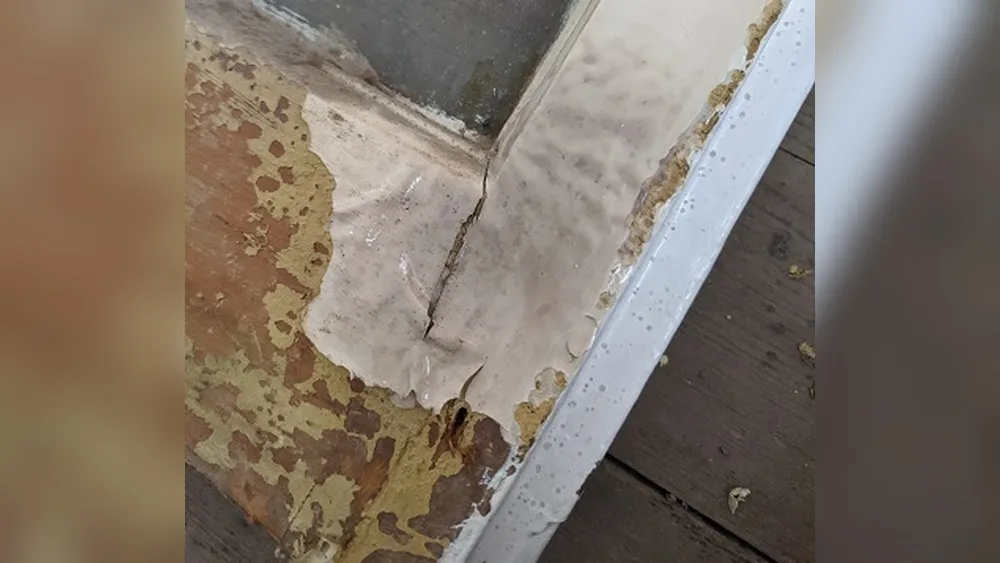
Removing lead paint is a big decision, and I know it can feel overwhelming. When I first found lead paint in my old house, I wondered if I could just use a heat gun to strip it away. It seemed fast and easy—just heat and scrape, right?
But as I started digging deeper, I realized there’s a lot more to it. If you’re thinking about using a heat gun to remove lead paint, my story might help you decide what’s best and safest for your home and your health.
Why Removing Lead Paint Is Serious
When I discovered lead paint, I learned that lead dust is the real danger. Old paint chips are bad, but the tiny dust particles can get everywhere. If you have kids or pets, even a little bit is risky. Lead poisoning can cause health problems like:
- Learning difficulties in children
- Stomach pain
- Fatigue
- High blood pressure in adults
After I read about these risks, I knew I had to be very careful. The method you choose to remove lead paint matters more than I thought.
How Heat Guns Work For Paint Removal
A heat gun looks like a hair dryer but gets much hotter. You use it to soften paint, then scrape it off. The idea is simple—apply heat, and the paint bubbles up so you can peel it away. Many people use heat guns for old doors, windows, or trim.
But when lead paint is involved, things change.
Heat Gun Temperatures
Most household heat guns have two settings:
- Low (around 600°F/316°C)
- High (up to 1100°F/593°C or more)
Lead melts at a much higher temperature, but I learned that lead paint can still release toxic fumes if overheated. This made me nervous, so I started looking for official advice.
What Experts Say About Using A Heat Gun On Lead Paint
I found clear warnings from the U.S. Environmental Protection Agency (EPA) and the Centers for Disease Control and Prevention (CDC). They both say:
- Never use open flames (like a blowtorch)
- Avoid high heat (above 1100°F/593°C)
- If you use a heat gun, keep it below 1100°F/593°C
But even at lower temperatures, there’s still a risk. The paint can release lead dust and fumes, especially if you’re working indoors or without good ventilation.
My Experience: Trying A Heat Gun
I’ll be honest—I tried using a heat gun in a small test area. Here’s what happened:
- Setup: I wore a mask and opened windows. I covered the floor with plastic sheeting.
- Heating: I set the heat gun to low and held it a few inches from the paint. After a few seconds, the paint started to bubble.
- Scraping: I used a metal scraper to lift the paint.
It worked, but I noticed a strong, odd smell. I also saw tiny bits of paint flying around. Even though I was careful, I worried about what I couldn’t see—the invisible lead dust.

Pros And Cons Of Using A Heat Gun On Lead Paint
To help you see both sides, here’s what I found:
| Pros | Cons |
|---|---|
| Removes paint without harsh chemicals | Can produce lead fumes if too hot |
| Works well on detailed woodwork | Creates lead dust and chips |
| Faster than hand-sanding | Requires good ventilation |
| Less messy than chemical strippers | Not recommended for large areas |
| Cheaper than hiring a pro | Personal safety risk if not careful |
Health Risks You Should Know
I cannot stress enough—lead fumes are invisible and dangerous. When lead paint is heated above a certain point, it releases gases you can’t see or smell. Even with a mask, you may still breathe them in.
- Children are most at risk. Even a little exposure can cause permanent damage.
- Pregnant women should not be near the work area.
- Lead dust can stay on your clothes or shoes. You might carry it to other rooms without realizing.
After my test, I cleaned up carefully and left the room for hours. I still worried. That’s when I decided to learn about safer options.
Safer Alternatives To Heat Guns
If you want to avoid the risks, here are other ways I researched and even tried:
1. Wet Scraping
Wet the paint surface with water before scraping. This keeps dust down. Wear a mask and use a HEPA vacuum after.
2. Chemical Strippers
Some products are made for lead paint removal. They break down the paint without heat, and many are safer for indoor use. Always read labels and wear gloves.
3. Encapsulation
Instead of removing, you can seal the lead paint under a special coating. This works if the paint is not peeling or chipping. It’s cheaper and less messy.
4. Professional Removal
Certified lead abatement contractors have special equipment and training. It costs more, but it’s the safest way. They test for lead dust after finishing.
Here’s a quick look at how these methods compare:
| Method | Safety Level | Cost | Best For |
|---|---|---|---|
| Heat Gun | Medium (if careful) | Low | Small, detailed areas |
| Wet Scraping | High | Low | Flat surfaces, small jobs |
| Chemical Stripper | Medium-High | Medium | Large surfaces, indoors |
| Encapsulation | High | Low | Stable, not peeling paint |
| Pro Removal | Very High | High | Whole rooms, severe cases |
If You Still Want To Use A Heat Gun
If you feel a heat gun is your only option, here’s how I tried to make it safer:
- Choose a low-heat setting. Keep the temperature below 1100°F (593°C).
- Work in small sections. This keeps dust and fumes lower.
- Open windows and use fans. Ventilation is key.
- Wear proper protection. Use a half-face respirator with P100 filters, not just a dust mask.
- Seal off other rooms. Tape plastic over doors and vents.
- Wet-wipe surfaces often. This captures dust before it spreads.
- Clean up with a HEPA vacuum. Regular vacuums can blow dust back into the air.
I also learned that heat guns should never be used on exterior siding if people are nearby. Lead dust can travel far on the wind.
Common Mistakes And How To Avoid Them
I made some mistakes at first, so here’s what I wish I knew:
- Don’t rush. Heating paint too quickly makes fumes worse.
- Don’t skip protection. Even a quick scrape can create dust.
- Don’t eat or drink nearby. Lead can settle on surfaces.
- Don’t let kids or pets near. They touch everything.
It’s easy to underestimate how much dust is produced. After my first try, I found tiny paint bits far from the work area, even though I cleaned carefully. That surprised me.
Lead Paint Laws And Your Responsibility
In many countries, especially the United States, it’s illegal to use unsafe methods to remove lead paint. If you hire someone, they must be certified. If you do it yourself, you’re responsible for safety. Landlords have even stricter rules.
If you plan to sell or rent your house, you must tell buyers or tenants about any known lead paint. Not following the rules can lead to fines.
For more on regulations, the EPA’s guide is a good resource: EPA Lead Information.
Two Insights Most People Miss
- Heat isn’t just about temperature. The speed and distance matter, too. Holding the gun too close or moving slowly can spike the paint’s surface temperature, making fumes more likely.
- Cleanup lasts longer than removal. Even days later, dust can settle from the air. I had to wipe surfaces for a week to feel sure the area was safe.
What I’d Do Differently Next Time
If I could go back, I’d avoid the heat gun unless I had no other choice. For small, detailed spots, it might be okay if you’re extremely careful. For bigger jobs, I’d use a chemical stripper or hire a pro.
The health risks just aren’t worth it.
Frequently Asked Questions
What Temperature Is Safe When Using A Heat Gun On Lead Paint?
Keep the heat gun below 1100°F (593°C). Higher temperatures can cause lead paint to release toxic fumes. Always use the lowest setting that works.

Can I Use A Regular Dust Mask When Removing Lead Paint?
No. You need a respirator with P100 filters. Regular masks do not block fine lead dust or fumes.
Is Sanding Lead Paint Safe If I Wear A Mask?
Sanding lead paint is very risky, even with a mask. It creates lots of dust that spreads easily. Wet scraping or chemical strippers are much safer.
How Do I Clean Up After Using A Heat Gun On Lead Paint?
Use wet wipes for all surfaces and a HEPA vacuum. Wash work clothes separately. Keep kids and pets away until you’ve finished.
Should I Test For Lead Paint Before Removing Old Paint?
Yes. Use a lead test kit or hire a professional inspector. Don’t assume paint is safe just because it looks old.
Final Thoughts
Looking back, using a heat gun to remove lead paint felt quick, but the risks made me uneasy. If you decide to go this route, take every safety step seriously. In my experience, safer alternatives like wet scraping or hiring an expert are worth the extra time and cost.
Lead paint removal isn’t just a DIY project—it’s a health decision. Your safety, and your family’s, comes first.
As an Amazon Associate, We earn from qualifying purchases