
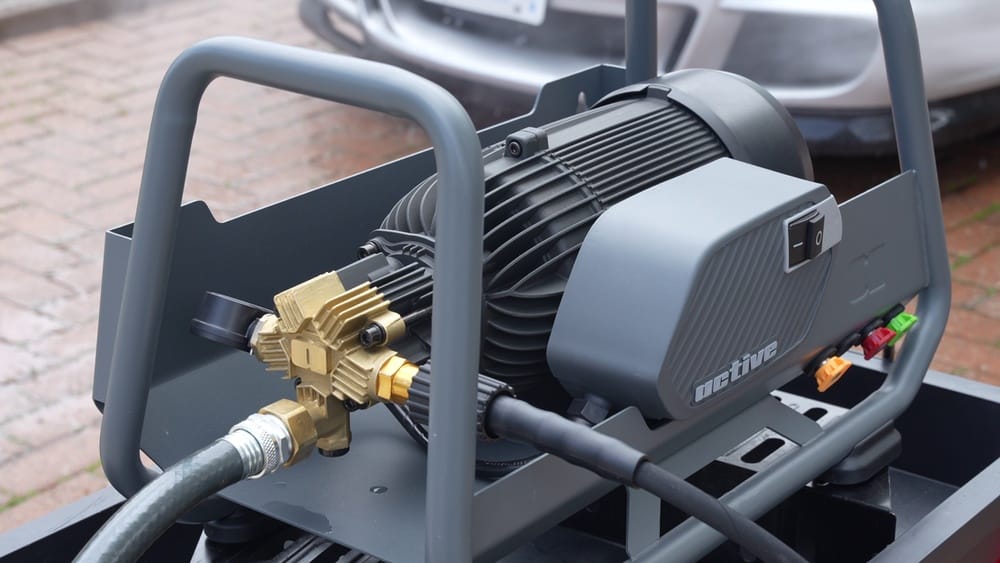
Ever since I bought my first pressure washer, I’ve cleaned everything from dirty cars to stubborn mud on my driveway. But one question kept bugging me: Can I use a pressure washer in the rain? I remember the first time it started drizzling right when I set up my machine. I hesitated. Would it be safe? Would the results be different? Over the years, I’ve learned a lot from using my pressure washer in all sorts of weather. In this article, I’ll share my honest experiences, what I’ve learned about safety, and what you should know if you’re thinking about pressure washing in the rain.
Why You Might Want To Pressure Wash In The Rain
I get it—sometimes, you can’t pick a sunny day. Rainy weather often means cooler air, less dust, and softer dirt on surfaces. I’ve found that mud and grime come off easier after a light rain, especially on concrete and brick.
Plus, if you have a busy schedule, waiting for perfect weather isn’t always an option.
A few years ago, I had to clean my deck before a family party. The forecast showed light rain all week. I couldn’t wait. So, I grabbed my rain jacket and decided to give it a try. That experience taught me a lot about what’s possible, what’s risky, and how to work smarter—not harder.
Is It Safe To Use A Pressure Washer In The Rain?
This is the big question. From my own use and lots of research, the answer is: sometimes yes, but with caution.
Electrical Safety
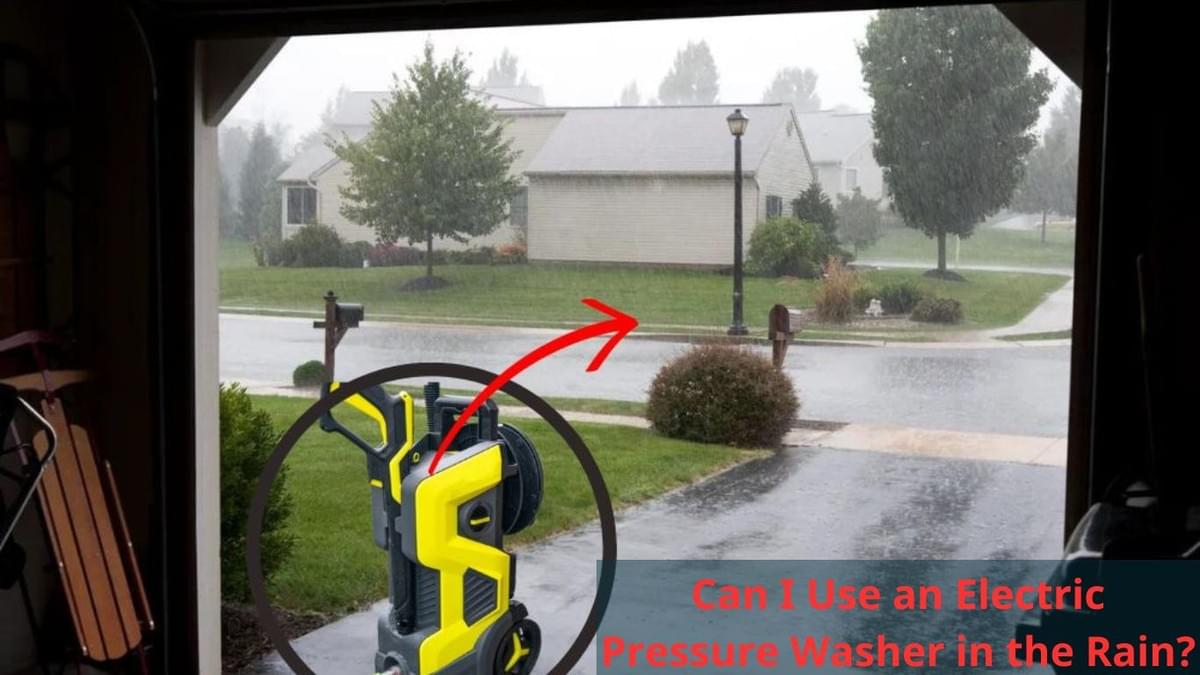
Most pressure washers (especially electric models) don’t mix well with water around the motor or plug. Rain can create dangerous situations if water gets inside the electrical parts. If you use an electric pressure washer, make sure:
- The plug and extension cord are protected from water
- The machine is rated for outdoor use (look for waterproof or weather-resistant marks)
- You use a GFCI outlet (ground-fault circuit interrupter) to shut off power if there’s a problem
I once made the mistake of leaving my extension cord on wet grass during a light shower. The washer stopped, and I smelled something burning. Luckily, the GFCI kicked in and saved me from a nasty shock. That taught me to always keep cords elevated and connections dry.
Gas-powered Pressure Washers
Gas models are a bit safer in the rain, since they don’t have exposed electrical parts. Still, the engine and fuel tank shouldn’t get soaked. I always keep the gas cap tight and use a tarp if rain gets heavy.
Never use a gas washer indoors or in a closed garage, even if it’s raining.
My Safety Checklist For Rainy Pressure Washing
Here’s what I do every time I pressure wash in the rain:
- Wear rubber boots and gloves for extra protection.
- Keep all electrical connections off the ground, covered if possible.
- Use a machine designed for outdoor weather.
- Take breaks if the rain gets heavy or visibility drops.
- Dry hands before touching any plug or switch.
I’ve found this routine keeps things safe, even when the weather isn’t perfect.
Effects Of Rain On Pressure Washing Results
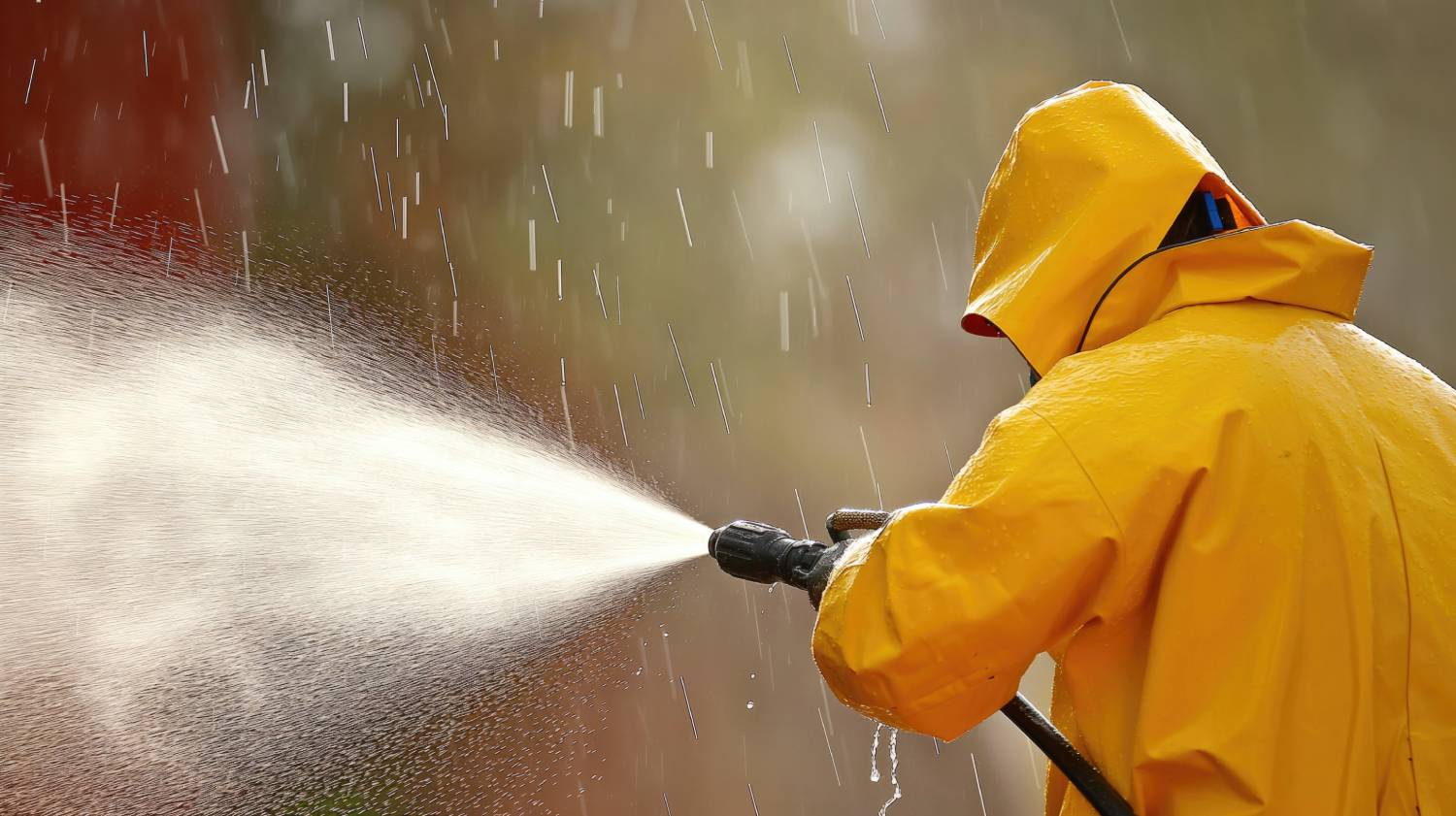
You might wonder if rain helps or hurts your cleaning job. From my experience, it’s a mix of both.
The Good
- Rain softens dirt and makes it easier to wash off. I’ve cleaned years of moss from my garden steps after a drizzle—much faster than on dry days.
- No need to pre-soak surfaces. Rain does the job for you.
- Less dust kicked up. Dirt doesn’t fly around as much.
The Bad
- Rain can wash away detergent before it works. I’ve seen soap slide right off siding during a heavy shower. That means less cleaning power.
- Hard to see your progress. Water everywhere makes it tricky to check if you’ve missed spots.
- Slippery surfaces. I nearly slipped on wet stairs more than once.
What I Learned
For light rain, pressure washing works fine—sometimes even better. But heavy rain is messy and wastes soap. Now, I check the weather and aim for light drizzle, not a downpour.
Types Of Pressure Washers: Which Handle Rain Best?
Not all pressure washers are made the same. Here’s what I’ve learned from using both electric and gas types.
Electric Pressure Washers
Most electric models are not fully waterproof. The motor, switches, and plug can be damaged by rain. Look for these features:
- IPX5 or IPX6 rating: This means some water resistance.
- Sealed switches: Keeps water out.
- Short cords: Easier to keep connections dry.
If yours isn’t rated for wet weather, don’t risk it. I once used a cheap electric model in misty weather. It worked, but the next day it wouldn’t start—water got inside.
Gas Pressure Washers
Gas models are tougher in wet weather. They have no exposed wires, and the engine can handle a splash. Still, I cover mine with a plastic bag if I take a break, and I never let water pool around the base.
Cordless/battery-powered Pressure Washers
These are rare but growing in popularity. They’re safer in rain since there’s no live wire, but rain can still damage the battery pack. I always check the manual before using mine outside.
Here’s a quick comparison:
| Type | Rain Safety | Extra Steps Needed |
|---|---|---|
| Electric | Risky if not waterproof | Cover outlets, use GFCI |
| Gas | Generally safer | Cover engine, avoid standing water |
| Battery | Moderate | Protect battery, check seals |
Practical Tips For Pressure Washing In The Rain
After plenty of trial and error, here’s what works best for me:
Plan Ahead
I always check the weather. Light drizzle? Go for it. Thunderstorm? I wait. Sudden rain can surprise you, so keep an eye on the sky.
Protect Electrical Connections
I use plastic bags or buckets to shield plugs. A simple trick: hang the plug from a nail or hook above ground. This stops water from running along the cord into the outlet.
Wear Proper Gear
I learned the hard way—regular shoes get soaked, and wet clothes make you miserable. Now, I wear a waterproof jacket, boots, and gloves. Good grip on shoes is a must.
Use Less Soap
Rain washes soap away fast. I use about half my normal detergent in wet weather. This saves money and avoids extra rinsing.
Work In Small Sections
If it’s raining, I clean one area at a time. This way, I don’t waste soap, and I see progress even if the weather changes.
Watch For Slippery Surfaces
Last fall, I slipped while cleaning my brick patio in the rain. Now I move more slowly and check surfaces before stepping.
Common Mistakes When Pressure Washing In The Rain
Even after years of using my machine, I’ve still made a few mistakes. Here’s what you should avoid:
- Ignoring the user manual. Not all machines are built the same. Check your manual for warnings about rain.
- Letting plugs and outlets get wet. This is a serious shock risk.
- Using too much soap. Rain will wash it away before it works.
- Not checking the forecast. Sudden storms can make things dangerous fast.
- Wearing the wrong shoes. Slips are common on wet concrete.
These lessons came from my own slip-ups. They’re easy to avoid once you know what to look out for.
Does Rain Affect Different Surfaces?
Absolutely. Based on my experience, rain changes how effective your cleaning will be on different materials.
| Surface | Rain Impact | Tips |
|---|---|---|
| Concrete/Brick | Easier to clean; rain softens dirt | Go slow to avoid slips |
| Wood Decking | Rain can make wood extra slippery | Use low pressure, dry area after |
| Vinyl Siding | Soap may rinse off too soon | Apply soap in light rain only |
| Cars/Trucks | No big difference, but harder to dry | Dry with a towel right away |
What About Professional Pressure Washing Services?
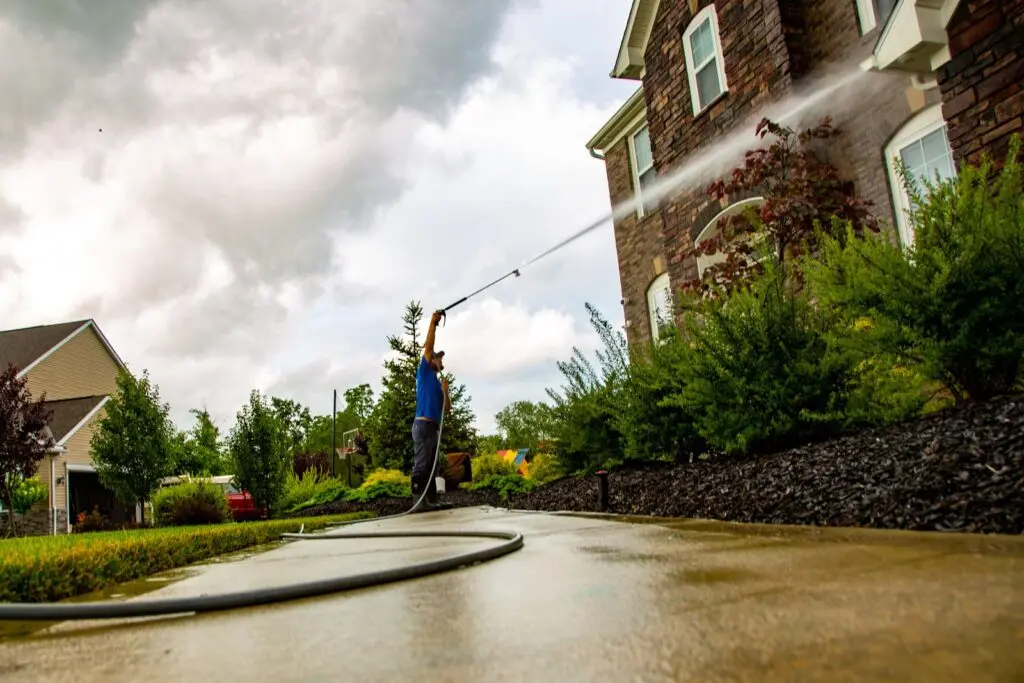
If you hire pros, you’ll notice they sometimes work in light rain. They often use gas-powered washers with weather-resistant gear. Still, most will reschedule in heavy rain or storms for safety.
One thing I’ve noticed: pros don’t rush in wet weather. They go slower, use less soap, and focus on safety. If you’re ever unsure, don’t be afraid to ask a pro for advice. I learned a lot from watching a local crew clean my neighbor’s driveway on a drizzly morning.
Legal And Warranty Issues
I once thought, “If my washer breaks in the rain, will the warranty cover it? ” The answer is often no. Many manufacturers warn against using their machines in rain. If water damage happens, you might have to pay for repairs yourself.
Some regions have safety rules about outdoor electrical tools. For example, in the U. S. , using a GFCI outlet is required for outdoor appliances. Always check your local laws and your machine’s warranty before using it in wet weather.
When Should You Avoid Pressure Washing In The Rain?
My rule is simple: never pressure wash in thunderstorms, heavy rain, or if you can’t see clearly. Lightning is a big risk—water and metal tools make it worse. Also, heavy rain wastes soap, ruins your progress, and creates mud puddles.
Wait for safer weather if:
- There are thunderstorm warnings
- Rain is so heavy you can’t see your work
- Winds make spraying unsafe
- The ground is muddy and slick
If you’re not sure, it’s better to reschedule than risk your safety.
My Final Thoughts
So, can you use a pressure washer in the rain? Based on my experience, the answer is yes—but only with the right precautions. Light rain can even help your cleaning job, but safety must come first. Know your machine, protect your cords, and watch your step. If the weather turns bad, pack up and try again later.
I’ve pressure washed in all kinds of weather, and while rain isn’t always ideal, it doesn’t have to stop your plans. Just use common sense, check your user manual, and don’t rush. Every cleaning job is a little different, and you’ll get better with practice.
For more details on how water and electricity mix, I found this resource helpful: Wikipedia: Electric Shock.
Frequently Asked Questions
Can Rain Damage My Pressure Washer?
Rain can damage electric pressure washers if water gets inside the motor or plug. Gas models are less at risk, but still shouldn’t be soaked. Always read your manual and keep connections dry.
Is It Safe To Use A Pressure Washer During A Thunderstorm?
No, it’s never safe. Thunderstorms mean lightning, which is dangerous with water and metal tools. Wait until the storm passes before using your washer.
Does Rain Make Cleaning Easier Or Harder?
Light rain can help soften dirt and make cleaning easier. But heavy rain washes away soap and makes it hard to see your progress. I prefer a light drizzle for most jobs.
Can I Use An Extension Cord In The Rain?
Only if it’s rated for outdoor use and kept dry. I always protect plugs with bags or covers and keep cords off the ground. Wet cords are a shock risk.
Should I Use More Soap When Pressure Washing In The Rain?
No, you should actually use less. Rain washes soap away quickly. I use half my normal amount to avoid waste and extra rinsing.
As an Amazon Associate, We earn from qualifying purchases