
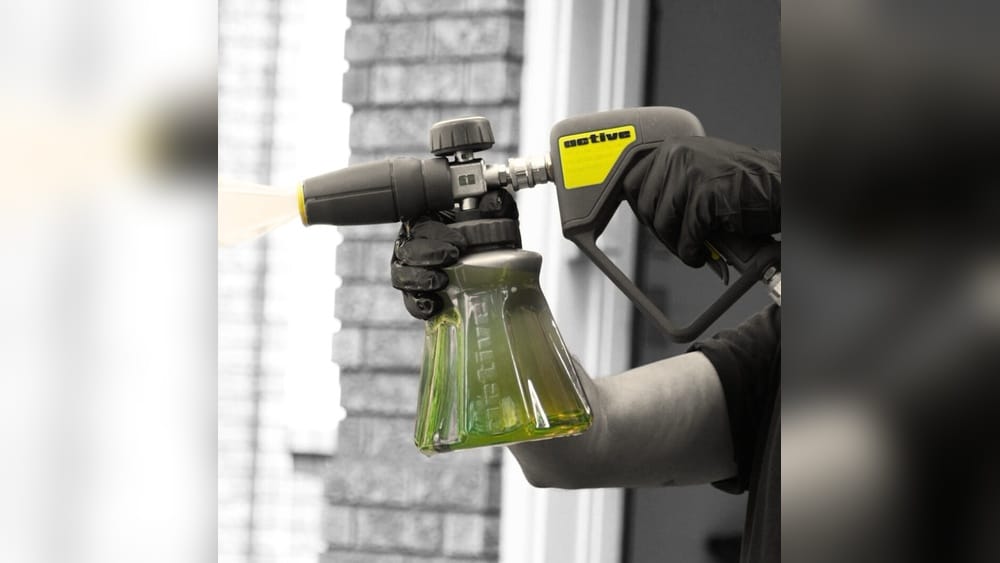
When I bought my first pressure washer, I was excited to blast away years of grime from my driveway. But as soon as I looked for the right soap to use, I felt lost. The manual was no help. There were so many choices—detergents, cleaners, degreasers, and even homemade recipes.
I wondered, “What soap can I use in a pressure washer without causing damage or wasting money? ” If you feel confused too, you’re not alone. I’ve learned through trial, error, and a few messy mistakes. Let me walk you through everything you need to know about choosing the right soap for your pressure washer.
How Pressure Washer Soap Works
At first, I thought any soap would do the job. But the way pressure washer soap works is different from regular soap. Pressure washers mix soap with water and spray it at high pressure. The soap lifts dirt and oil, making it easy to rinse them away.
I learned quickly that not all soaps are made for pressure washers. Some household cleaners create too much foam or damage the pump. Others don’t clean well or leave streaks. Using the wrong soap can even void the warranty.
Here’s what I discovered:
- Pressure washer soaps are usually low-foaming.
- They break down dirt, grease, and mold without harming the machine.
- Some are designed for specific tasks, like washing cars or cleaning concrete.
Understanding these basics saved me a lot of frustration and money.
Types Of Soap You Can Use In A Pressure Washer
After many weekends experimenting, I found there are a few main types of soap and detergent you can use. Each has its own strengths and weaknesses.
1. Pressure Washer-specific Detergents
These are made just for pressure washers. The label will usually say “pressure washer safe” or “pressure washer detergent. ” They come in bottles or jugs, sometimes as concentrates you mix with water.
Best for: General cleaning, siding, patios, vehicles
Pros: Won’t harm the pump, easy to rinse, safe for most surfaces
Cons: More expensive than regular cleaners
2. Vehicle Wash Soaps
When I cleaned my car, I learned the hard way that harsh soap can strip wax or damage paint. Vehicle wash soaps for pressure washers are gentle and low-foaming.
Best for: Cars, trucks, motorcycles, RVs
Pros: Protects paint, won’t remove wax, easy to rinse
Cons: Not strong enough for heavy oil or driveway stains
3. Degreasers
Sometimes, my driveway and garage floor had tough, oily stains. Regular soap couldn’t cut through the mess. That’s when I tried a pressure washer degreaser.
Best for: Garage floors, driveways, engines, machinery
Pros: Removes oil and grease, works fast
Cons: Can harm plants or grass, may require protective gloves
4. Multi-purpose Cleaners
Multi-purpose cleaners became my go-to for patio furniture, siding, and fences. They’re versatile and usually safe for wood, vinyl, and plastic.
Best for: Siding, outdoor furniture, decks
Pros: Cleans many surfaces, gentle on finishes
Cons: Not as strong as specialty cleaners
5. Concrete And Brick Cleaners
For old stains on my patio, I found regular soap didn’t work. Concrete and brick cleaners have special chemicals for these tough surfaces.
Best for: Patios, walkways, brick walls
Pros: Removes mold, mildew, and stains
Cons: Not for use on painted or delicate surfaces
6. Environmentally-friendly Soaps
I became more eco-conscious after seeing soapy water run off into my garden. Eco-friendly pressure washer soaps are biodegradable and less likely to harm plants or pets.
Best for: Gardens, lawns, areas near water
Pros: Safe for the environment, non-toxic
Cons: Sometimes less powerful on oil stains
7. Homemade Soaps
I tried making my own soap with dish soap and water. While it worked for light dirt, I soon realized it wasn’t ideal for heavy jobs or delicate equipment.
Best for: Light cleaning, quick jobs
Pros: Cheap, easy to make
Cons: Can damage seals and hoses, not as effective on tough stains
What Not To Use In A Pressure Washer
Early on, I made the mistake of using regular household cleaners and bleach. These can cause real problems.
- Bleach: Damages seals, can corrode parts, dangerous for plants and pets.
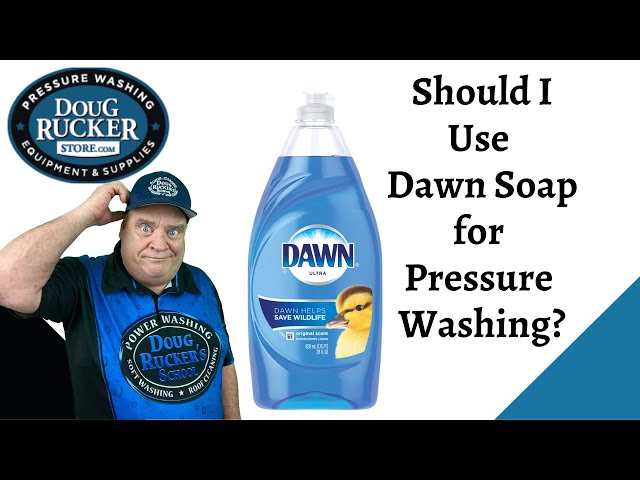
- Dish soap: Too foamy, can clog the machine.
- Ammonia or solvent-based cleaners: Harmful fumes, can damage pump seals.
If you’re ever unsure, check the pressure washer manual or call the manufacturer. It’s better to be safe than sorry.
Understanding Soap Labels
Shopping for pressure washer soap can be confusing. I learned to read the labels carefully.
Look for these details:
- “Pressure washer safe”
- “Biodegradable” (if you care about the environment)
- The surfaces it’s designed for (car, house, concrete, etc.)
- Dilution instructions (concentrates save money but must be mixed right)
If you see “not for use in pressure washers,” skip it. It’s not worth the risk.
Pressure Washer Soap Vs. Detergent: What’s The Difference?
This tripped me up at first. People use “soap” and “detergent” as if they mean the same thing, but they’re different.
- Soap: Made from natural fats and oils.
- Detergent: Made from chemicals, usually stronger and better for hard water.
Most pressure washer “soaps” are actually detergents. They work better with machines and don’t create too many suds.
How To Add Soap To A Pressure Washer
I remember my first attempt. I poured the soap into the water tank and ended up with a mess. Here’s what actually works:
- Check your pressure washer’s manual. Some have separate tanks for soap; others use a siphon hose.
- Dilute the soap as instructed. Concentrates must be mixed with water.
- Use the right nozzle. Most machines have a “soap” or “low pressure” nozzle. It’s usually black.
- Apply soap from the bottom up. This stops streaks.
- Let the soap sit for 5-10 minutes before rinsing. Don’t let it dry.
I also learned not to run soap through the machine for too long—it can damage seals if left inside.
Can You Use Dish Soap Or Laundry Detergent?
I was tempted to use dish soap because it’s cheap and easy to find. But after some research and personal experience, I found it’s not a good idea.
- Dish soap creates too many suds, clogging the machine.
- Laundry detergent can damage seals and hoses.
- Neither is made for high pressure or outdoor grime.
Stick to pressure washer-specific detergents for the best results and to protect your equipment.
Comparing Popular Pressure Washer Soaps
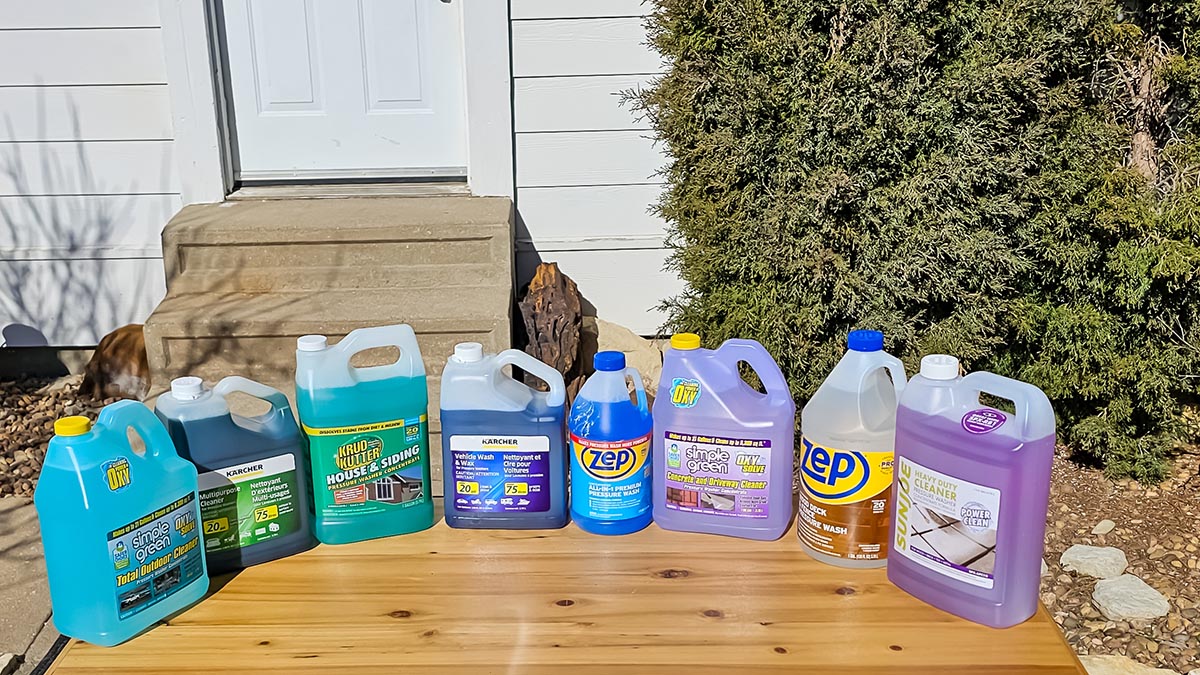
To make things clearer, here’s a quick comparison of some well-known brands I’ve tried:
| Brand | Best For | Eco-Friendly | Approx. Price (1 Gal.) |
|---|---|---|---|
| Simple Green | Multi-Surface | Yes | $12 |
| Karcher Car Wash | Vehicles | No | $10 |
| Sun Joe All-Purpose | General Cleaning | Yes | $13 |
| Zep Driveway & Concrete | Concrete/Brick | No | $14 |
Prices and eco-friendliness can help you pick the right one for your needs.
Matching Soap To Surfaces
Using the wrong soap on the wrong surface can cause damage or disappointment. Here’s what I learned after a few mistakes:
| Surface | Recommended Soap Type | Why It Works |
|---|---|---|
| Car Paint | Vehicle Wash Soap | Gentle, protects finish |
| Wood Deck | Multi-Purpose Cleaner | Removes dirt without stripping wood |
| Concrete Driveway | Degreaser/Concrete Cleaner | Breaks down oil and mildew |
| Garden Furniture | Eco-Friendly Soap | Safe for pets and plants |
I always test a small area first. This avoids damage and gives me peace of mind.
Common Mistakes When Using Soap In A Pressure Washer
In my first year, I made some classic errors. Here’s what I wish I’d known sooner:
- Using too much soap: More isn’t better. It just wastes money and can leave residue.
- Not rinsing thoroughly: Soap left on surfaces dries into streaks or chalky spots.
- Letting soap dry: If you get distracted (like I did), dried soap is hard to rinse off.
- Ignoring dilution instructions: Concentrates are strong—mix them right or risk damage.
- Spraying upwards into siding: This can force water behind siding and cause leaks.
- Using the wrong nozzle: Only use the “soap” nozzle for applying detergent.
How Often Should You Use Soap In A Pressure Washer?
I used to soap everything, every time. But I learned that sometimes plain water is enough. Soap is best for:
- Deep cleaning (once or twice a year)
- Removing oil, mold, or heavy stains
- Prepping a surface for painting or sealing
For regular maintenance, I often skip the soap and just rinse with water.
Is Soap Always Needed?
A pressure washer alone removes a lot of dirt with just water. For things like pollen, dust, or light mud, water is often enough. But for grease, mildew, or baked-on stains, using soap makes the job much easier and faster. It also helps prevent re-growth of mold and mildew, especially on decks and siding.
Environmental Concerns
I started worrying about where the soapy water went. Some areas have rules about what you can let run into storm drains. That’s why I prefer biodegradable, phosphate-free soaps if I’m washing near the garden or street.
I also learned to block off drains or use tarps to keep runoff away from plants.
My Favorite Tips For Using Soap In A Pressure Washer
- Work in the shade. Sun dries soap too fast.
- Keep surfaces wet. This prevents streaks.
- Rinse from the top down. Soap and dirt flow away faster.
- Wear gloves. Some cleaners irritate skin.
- Don’t mix brands. Some chemicals react badly together.
- Store leftover soap safely. Keep it out of reach of kids and pets.
Where To Buy Pressure Washer Soap
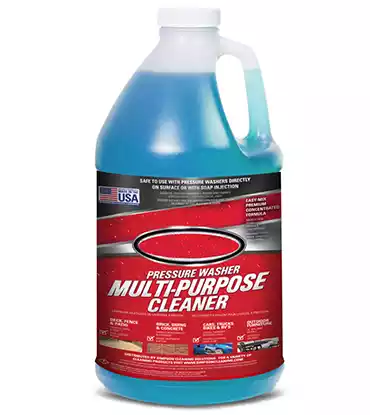
You can find pressure washer soap at home improvement stores, online shops, or sometimes at auto parts stores. I compare prices and read reviews before buying. For reliable information, the Consumer Reports Pressure Washer Buying Guide is a great resource.
Frequently Asked Questions
What Happens If I Use The Wrong Soap In My Pressure Washer?
If you use the wrong soap, it can cause too much foam, clog the machine, or even damage seals and hoses. Some soaps can also harm the surface you’re cleaning or kill grass and plants.
Can I Use Bleach In My Pressure Washer For Mold?
I learned not to use straight bleach—it’s too harsh. Some pressure washer soaps contain a small amount of bleach, but always follow the label. Straight bleach can corrode your pressure washer and harm the environment.
How Much Soap Should I Use With My Pressure Washer?
Always check the label. Most concentrates need to be mixed with water—usually about 1 part soap to 10 parts water. Using too much can leave residue and waste money.
Is Pressure Washer Soap Safe For Pets And Kids?
Some soaps are safe, especially eco-friendly ones. Others can be dangerous. I always rinse surfaces well and keep pets and kids away until everything is dry.
What’s The Best Way To Store Leftover Pressure Washer Soap?
Keep it in the original container, tightly sealed, and away from sunlight or heat. Store it out of reach of children and pets. Some soaps can go bad if they freeze or get contaminated.
Pressure washing can be satisfying and fun once you know what soap to use. A little planning and the right detergent make all the difference. If you take care of your machine and choose the right soap for each job, you’ll get great results every time.
As an Amazon Associate, We earn from qualifying purchases