
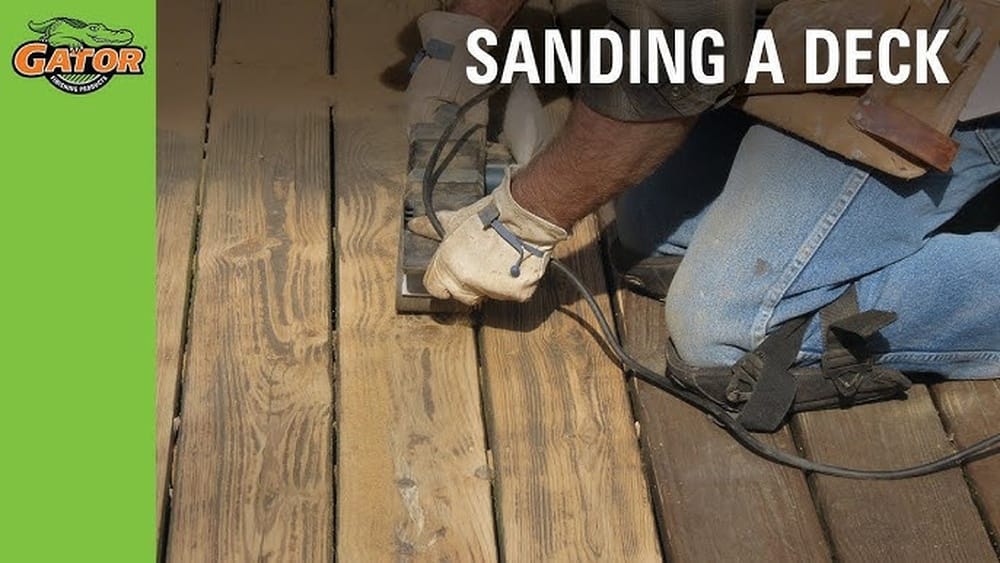
I remember standing on my deck, looking at the faded boards, and wondering if I could give them new life. Years of sun and rain had left the wood rough and gray. I’d heard about belt sanders and wondered, “Can I use a belt sander on my deck?
” After some research, a few mistakes, and a weekend covered in dust, I learned a lot. If you’re thinking about sanding your deck with a belt sander, let me walk you through what I discovered. I’ll share what worked, what didn’t, and some tips I wish I knew from the start.
Why Sand A Deck At All?
A deck is a big part of many homes. Over time, weather, foot traffic, and spilled drinks can make the wood look worn out. Sanding does more than make the surface smooth. It removes old stains, splinters, and rough patches.
This helps new stain or sealer stick better and last longer. I realized that sanding my deck was not just about looks. It was about protecting my investment and making the space safe for bare feet.
What Is A Belt Sander?
Before I grabbed any tool, I wanted to know what a belt sander actually does. A belt sander is a power tool with a sanding belt that moves in a loop. It’s designed to remove material fast. People usually use it for floors, doors, or even furniture. Belt sanders come in different sizes, but most are heavy and need two hands. The main thing I noticed is that they can take off a lot of wood quickly if you’re not careful.
Can I Use A Belt Sander On My Deck?
In short, yes, you can use a belt sander on your deck. I did, and many others have too. But it’s not always the best tool for every part of the job. Belt sanders work best on flat, open spaces. They are not good for corners, between boards, or railings. I found that using a belt sander for the wide, main boards saved me time. For edges and tight spots, I needed other tools.
Pros And Cons Of Using A Belt Sander On A Deck
Let me break down what went well and what didn’t when I used a belt sander.
| Pros | Cons |
|---|---|
| Removes material fast | Can gouge wood easily |
| Saves time on large areas | Heavy and tiring to use |
| Easy to rent or buy | Doesn’t reach tight spaces |
| Good for leveling uneven boards | Lots of dust |
One thing I wish I knew: Belt sanders are aggressive. If you stay too long in one spot, you can leave a big dip in the wood. I made this mistake near the door, and now there’s a small groove that collects water.

When A Belt Sander Makes Sense
A belt sander is a good choice if:
- Your deck boards are mostly flat.
- There are big splinters or rough patches.
- You want to remove old paint or stain quickly.
- The deck is not too large (for massive decks, a floor sander is better).
If your deck has a lot of curves, softwood, or tight spaces, a belt sander will only get you part of the way.
Steps I Followed To Sand My Deck
Here’s how I tackled my deck with a belt sander. I learned as I went, and I hope these steps help you avoid my mistakes.
1. Clean The Deck Thoroughly
First, I swept all the leaves and debris away. Then I washed the boards with a deck cleaner and let them dry for two days. Sanding wet wood clogs the sandpaper and damages the sander.
2. Choose The Right Sandpaper
I started with a 60-grit belt to remove the worst rough spots. Then I switched to 80-grit to smooth things out. For a final pass, I used 120-grit. Using too fine a grit at first didn’t remove the old finish, so I had to go back and redo those boards.
3. Protect Yourself
Sanding makes a lot of dust. I wore a dust mask, goggles, and ear protection. Trust me, you don’t want to skip this step. Dust gets everywhere, and the noise is pretty loud.
4. Sand In The Direction Of The Grain
This is important. I started by moving the sander side-to-side, but this made scratches. Always sand with the wood grain for a smooth finish.
5. Keep The Sander Moving
I made the mistake of pausing too long in one spot, which left a dip. Keep the sander moving slowly and evenly. Overlap each pass a little to avoid stripes.
6. Tackle The Edges And Tight Spots
The belt sander couldn’t reach the edges or between boards. I used a palm sander and some sandpaper by hand for these areas. It took longer, but the finish looked even.
7. Clean Up The Dust
After sanding, I used a shop vacuum and a damp cloth to pick up all the dust. If you skip this, the new stain or sealer won’t stick well.
Comparing Belt Sanders To Other Deck Sanding Tools
I wanted to know if there was a better tool for the job. Here’s how a belt sander stacks up against other options:
| Tool | Best Use | Speed | Cost | Skill Needed |
|---|---|---|---|---|
| Belt Sander | Flat, open areas | Fast | Medium | Moderate |
| Orbital Sander | Smoothing, edges | Medium | Medium | Easy |
| Drum Sander | Large decks | Very fast | High (rental) | High |
| Palm Sander | Small areas, details | Slow | Low | Easy |
If your deck is huge, renting a drum sander might be easier. For small decks or DIYers, a belt sander is a good middle ground.
Common Mistakes And How To Avoid Them
I made a few mistakes along the way. Here’s what I learned:
- Using the wrong grit: Starting too fine wastes time. Start with a coarser belt.
- Not cleaning first: Dirt and rocks can tear the sandpaper or gouge the wood.
- Sanding wet wood: Causes clogging and rough spots.
- Not testing the sander: Practice on a scrap piece before starting on the deck.
- Skipping safety gear: Dust is no joke. Always wear protection.

How Long Does It Take?
For my deck (about 300 square feet), sanding took a full weekend. The belt sander made the big areas faster, but I spent a lot of time on corners and clean-up. If you have a helper, it goes much quicker.
Is A Belt Sander Safe For All Decks?
Not all decks are the same. Here are some things to check before you start:
- Deck age: Old, soft boards can wear down fast. Go gentle.
- Board condition: If boards are rotting or loose, fix them first.
- Screws and nails: Make sure all fasteners are below the surface. I hit a screw once and ruined a belt.
- Wood type: Hardwoods can handle a belt sander better than softwoods.

My Honest Opinion: Is It Worth It?
After the sweat and dust, my deck looked so much better. The boards were smooth, and the new stain looked great. But it was harder work than I expected. The belt sander worked well, but it’s not a magic tool.
You still need patience and attention to detail.
Would I do it again? Yes, but I would be more careful and maybe get a better mask. If your deck is small or medium size, and you want to save money, a belt sander is a good choice. For very large decks or if you want a perfect finish, consider hiring a pro or renting a bigger sander.
Extra Tips From My Experience
- Test on a hidden spot: Before sanding the whole deck, test your sander and grit on a small area.
- Work in the shade: The sun makes the dust stick to sweaty skin!
- Have extra belts: I went through more sandpaper belts than I expected.
- Check the weather: Don’t sand if rain is coming. Wood needs to stay dry for staining.
One thing I didn’t expect: The deck looked a bit uneven in sunlight because I pressed harder in some areas. Let the tool do the work—don’t force it.
What To Do After Sanding
Once you’re done sanding, vacuum and wipe down every board. Wait for the dust to settle and check the surface in different light. Only then, apply your stain or sealer. This step locks in your hard work and protects the wood for years.
If you need more details on deck sanding best practices, you can visit the Family Handyman guide.
Frequently Asked Questions
Can I Use A Belt Sander On A Wet Deck?
No, never sand wet wood. The sandpaper will clog, and you can damage the wood fibers. Always let your deck dry for at least 24-48 hours after washing before sanding.
What Grit Sandpaper Should I Use For My Deck?
Start with 60-80 grit for removing old stain or rough patches. Finish with 100-120 grit for a smooth surface. Don’t use very fine grits—they close the wood pores and make it hard for stain to soak in.
Do I Need To Sand My Whole Deck Or Just The Rough Spots?
If you’re refinishing the deck, it’s best to sand all boards for an even look. You can spot-sand minor rough patches, but the new stain may look uneven.
Can I Rent A Belt Sander For My Deck?
Yes, most hardware stores rent belt sanders. Make sure to check the condition of the tool and ask for extra belts. Renting is cheaper than buying if you only plan to sand once.
Is Sanding Safe For All Wood Types?
Belt sanders work well on most woods, but be careful with softwoods like cedar or pine. Go slowly and don’t press too hard. Hardwoods like oak or mahogany handle sanding better.
Standing back and looking at my smooth, clean deck, I felt a real sense of accomplishment. Sanding with a belt sander was hard work, but the results were worth it. If you’re thinking about tackling your own deck, just remember: go slow, use the right tools, and don’t skip the prep. Your feet—and your deck—will thank you.
As an Amazon Associate, We earn from qualifying purchases