
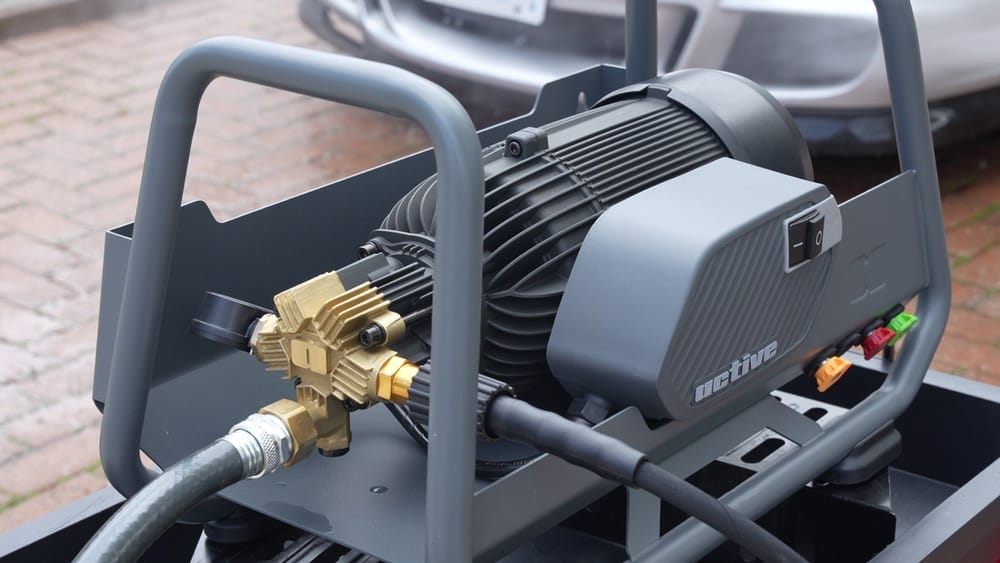
Last spring, I stood in my driveway, pressure washer in hand, watching rain clouds roll in. My patio was still dirty from winter and my only free day was slipping away. I wondered, can I use an electric pressure washer in the rain, or should I just give up and wait for better weather?
After digging into manuals, safety tips, and talking with some experienced homeowners, I learned a lot—some things surprised me. If you’ve ever faced the same question, let me share what I found.
Is It Safe To Use An Electric Pressure Washer In The Rain?
The short answer: it depends. Electric pressure washers and water seem like a risky mix. But the real story is a bit more complicated. When I first started researching, I thought all pressure washers were made to handle any weather. But that’s not true.
Most electric pressure washers are made to be water-resistant, not waterproof. That means they can handle splashes and some wetness from the cleaning job itself, but they aren’t designed to be soaked by rain. The risk is mostly about electricity and water mixing, which can cause electric shock or damage the machine.
But there’s more to think about:
- Some pressure washers have a better IP (Ingress Protection) rating than others. This rating shows how well the device is protected from water and dust.
- Many user manuals say “do not use in rain or wet conditions.”
- The risk is not just for the machine, but also for the person using it.
I learned that just because the machine can get wet during use, it doesn’t mean it’s safe to use in the rain.
Understanding Ip Ratings And Weather Resistance
When I checked my own pressure washer, I found a code like IPX5 on the label. I had no idea what that meant at first. So, I looked it up. The IP rating tells you how well the device is protected from solid objects and water.
Here’s a quick look at common IP ratings for electric pressure washers:
| IP Rating | Water Protection Level | What It Means |
|---|---|---|
| IPX3 | Low | Protected against spraying water at up to 60° from vertical |
| IPX4 | Moderate | Protected from water splashes from any direction |
| IPX5 | Good | Protected from water jets from any direction |
| IPX6 | High | Protected from strong water jets |
What surprised me: even with IPX5 or IPX6, most manuals still say not to use the machine in steady rain. Why? Because the electrical parts—like switches and plugs—are not always as protected as the motor or housing. If water gets into these, it could cause a short circuit.
Key Safety Concerns When Using In The Rain
I’ll be honest: I was tempted to just throw on a raincoat and keep working. But after reading some real accident reports, I realized the risks are real.
Here are the main dangers:
- Electric Shock: Water conducts electricity. If rainwater gets into the electrical parts or plug, it can shock you.
- Slippery Surfaces: Rain makes surfaces even more slippery. With soapy water and high pressure, falls are a real risk.
- Damaging the Machine: Too much water inside the motor or electronics can ruin your washer.
- GFCI Malfunction: Most outdoor outlets have a Ground Fault Circuit Interrupter (GFCI). Heavy rain can trip this device, cutting power or causing annoying resets.
I read about one person who used a pressure washer in a drizzle, but water ran down the power cord into the plug. The GFCI shut off, but it could have ended much worse.
What Manufacturers And Experts Say
I decided to check several big brands—Karcher, Sun Joe, Greenworks. Every manual I read had a warning like: “Do not use in the rain or while standing in water.” One brand even said, “Store indoors and do not expose to rain.”
I also found advice from cleaning professionals. They all agreed: avoid using electric pressure washers in the rain. Some even said they reschedule jobs if it rains, just to stay safe.
For more background, I found a good explanation of outdoor electrical safety from the U.S. Consumer Product Safety Commission. They warn that outdoor tools should always be kept dry, especially anything that plugs into an outlet.
My Personal Experience: What Actually Happens
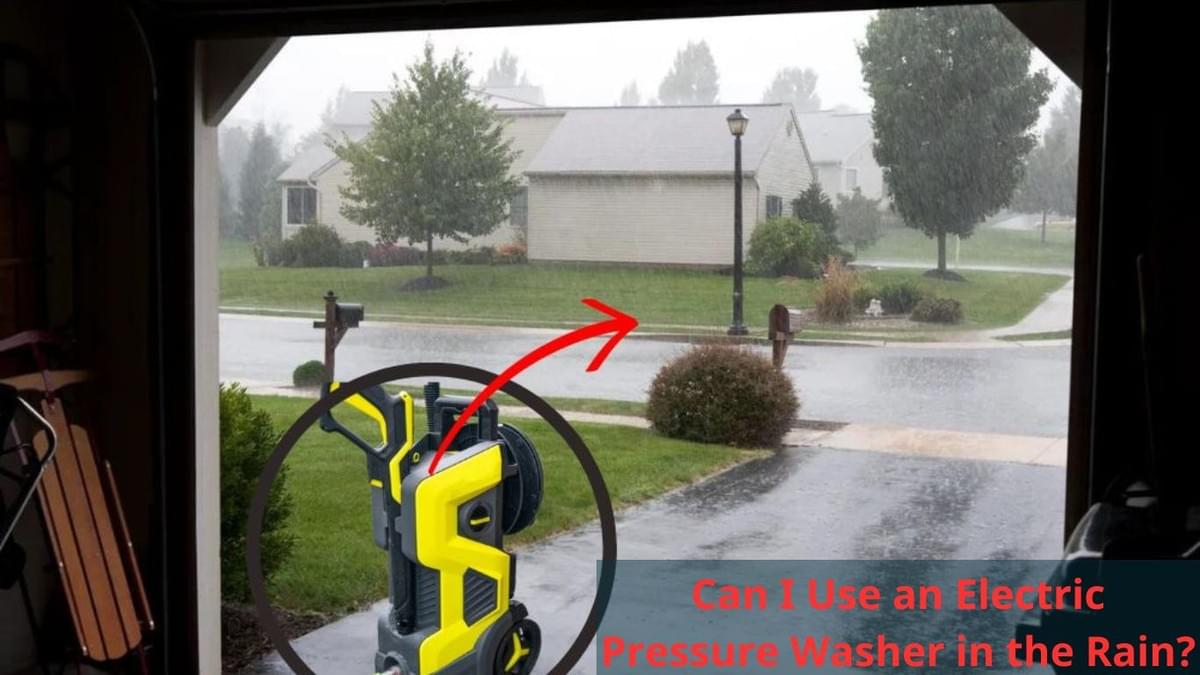
I tried using my electric pressure washer once when it was only lightly raining. I made sure the plug and outlet were under a covered porch. At first, everything was fine. But after a few minutes, I noticed water was dripping down my gloves and running along the cord.
I started to worry—if water reached the plug, I could be in trouble.
I stopped, unplugged the machine, and dried everything off. When I checked the plug, it was damp. That was enough to convince me not to risk it again. Even if you feel confident, one small mistake can lead to a big problem.
Using A Pressure Washer In Wet Conditions: Best Practices
Sometimes, you can’t avoid damp weather, especially if you live somewhere with a lot of rain. If you still need to wash something, here are some steps I use to keep things safer:
- Check the Forecast: Try to plan for a dry day, or at least a few dry hours.
- Keep Plugs Dry: Use a heavy-duty outdoor extension cord with a weatherproof plug cover.
- Elevate Connections: Don’t let plugs rest on the wet ground. I hang mine on a hook or a plastic crate.
- Wear Rubber-Soled Shoes: These help reduce the risk of shock.
- Use GFCI Outlets: Always plug into a GFCI-protected outlet, and test it before you begin.
- Cover the Washer: If you must work in light rain, use a plastic tarp or cover to protect the machine and cords.
- Take Breaks to Check for Moisture: Every 15-20 minutes, I stop and check the cords, plug, and washer for water.
But to be honest, even with all these precautions, I’d rather not use the washer in the rain at all.
Gas Vs. Electric Pressure Washers: Rain Performance
A friend of mine has a gas pressure washer. He told me he never worries about rain, so I did some digging. Here’s what I learned:
| Type | Rain Safety | Main Risks |
|---|---|---|
| Electric | Not recommended in rain | Shock, short circuit, equipment damage |
| Gas | Can be used in light rain | Engine flooding, slippery surfaces |
Gas models don’t have electrical cords, so the shock risk is lower. But they still have engines that shouldn’t get soaked. Plus, the ground is still slippery and visibility is worse in the rain.
If you often need to clean outdoors in wet weather, a gas model is probably safer. But you still need to be careful about slipping and keeping the engine dry.
Real-world Tips For Staying Safe
After all my research—and a few close calls—these are the rules I follow now:
- If it’s raining, I wait. No cleaning job is worth my safety.
- I always check the weather before starting.
- I use a cord cover for the plug, even on dry days.
- If I must clean during a sprinkle, I move all electrical connections under a covered area.
- I never touch the plug or switch with wet hands or gloves.
- I dry off the washer and cords before storing them.
One thing I didn’t think about at first: Water can run down the outside of your house and pool near outlets or extension cords. Always check the ground and move cords away from puddles.

What I Wish I Knew Before
When I first bought my electric pressure washer, I assumed outdoor tools were made for any weather. I quickly learned that outdoor use doesn’t mean “rainproof.” If you’re thinking about cleaning in the rain, remember:
- Manufacturers design for splashes, not steady rain.
- Safety switches and GFCI outlets help, but they can’t stop every risk.
- Even a small amount of water in the wrong place can cause damage or injury.
If you really need to clean in rainy weather, consider hiring a professional with the right gear—or look for a gas washer if it’s a regular problem.
Alternatives To Using A Pressure Washer In The Rain
There are a few ways to work around bad weather, which I’ve used when I was stuck:
- Pre-treat stains with a deck brush and cleaner. Sometimes this is enough until the weather clears.
- Use a hose with a strong nozzle. It’s not as powerful, but it’s safer in wet weather.
- Rent a gas pressure washer for rainy days.
- Reschedule cleaning for a dry day. Sometimes waiting really is best.
These options may take a little longer, but they keep you safe and protect your equipment.
What Can Happen If You Ignore The Warnings
I’ve heard stories—and read a few online—about people who ignored the warnings. Here’s what can happen:
- Electric shock: Even a minor shock can be dangerous, especially if you lose balance.
- Burnt-out motor: Water inside the washer can fry the electronics.
- GFCI tripping: Annoying, but it could save your life.
- Ruined extension cords: Wet, cheap cords can short out or melt.
One person online shared how his washer just stopped working after a rainy cleaning session. The repair cost more than a new machine. It’s not worth the risk.
Frequently Asked Questions
Can I Use An Electric Pressure Washer In Light Rain If I Cover The Plug?
It’s safer, but not risk-free. Even if you cover the plug, water can run down the cord or get inside the machine. Manufacturers don’t recommend it. Use extra caution if you try, but I wouldn’t suggest it.
What Happens If My Electric Pressure Washer Gets Wet?
Most are made for splashes, so a little water isn’t a problem. But if water gets inside the motor or electronics, it can short out and stop working—or cause a shock. Always dry your washer after use.
Are There Any Electric Pressure Washers That Are Truly Waterproof?
Not really. Some have higher IP ratings, like IPX6, which means they handle water jets. But none are designed for use in heavy rain. Always check the manual for your specific model.
Can I Use A Gas Pressure Washer In The Rain?
It’s safer than electric, since there are no cords. But you still need to keep the engine dry to avoid flooding. Slippery surfaces are still a danger, so be careful.

What Should I Do If It Starts Raining While I’m Using My Electric Pressure Washer?
Turn off and unplug the washer right away. Move it and the plug to a dry spot. Dry off everything before using it again. Don’t risk continuing your cleaning job in the rain.
No cleaning job is worth risking your safety or your equipment. I learned that the hard way. Now, I always wait for dry weather—and my pressure washer (and I) are better for it.
As an Amazon Associate, We earn from qualifying purchases