
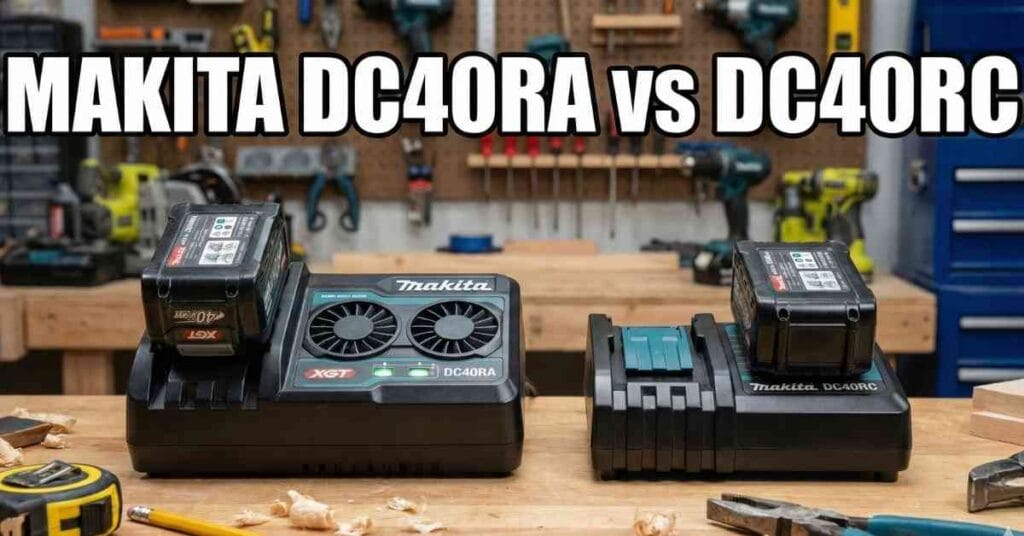
Makita DC40RA vs DC40RC is a big choice for any tool fan. I work with power tools every single day on my job sites. I took both of these units to work to see how they act. I want to share my real facts with you right now. Here is what I learned after weeks of hard hand tests.
Makita DC40RA Rapid Charger Review
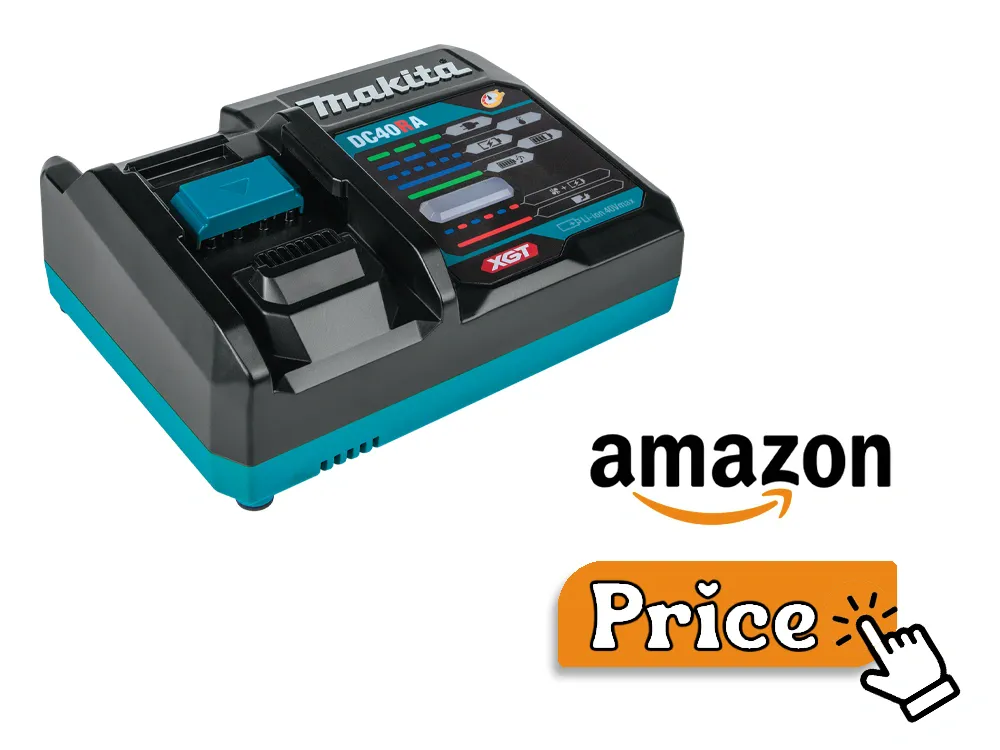
I used this fast unit when I ran my big wood saw. Big saws eat up tool power at a very fast pace. This fast unit gives six amps of pure power to the pack. It gets the hard job done in a very short time.
I love the two fans built deep in this big unit. One fan blows cool air right on the hot battery cells. The next fan cools the main board inside the hard case. I can drop a hot pack on it right away.
My crew runs hard all day in the hot sun. We need fresh packs fast to keep the wood cuts going. This unit is a huge help for my whole work crew. It does not quit even when we push it hard.
| Pros | Cons |
| Fills a four amp pack in a very short time | The two fans make a loud hum sound |
| Cools hot packs fast so you can keep working | Uses more power from my site gas plug |
| Built tough for drops in a rough work truck | It is big and takes up room in my bag |
It feels so tough when I hold it in my bare hands. I drop it in the bed of my work truck each day. It takes all the hard bumps with no cracks or breaks. The soft feet keep it firm on my wood bench.
The fast charge speed is a grand slam for my work flow. A dead four amp pack is full in less than an hour. My small packs are good to go in a half hour. This fast pace stops my team from standing soft and still.
I kept track of the charge times every single work day. The times were the exact same on each and every try. It works great even on hot summer days out in the sun. You can trust this fast unit for all your hard jobs.
The thick black cord is strong and does not fold or kink. I drag it in the mud and dust on the site. I just wipe it clean and it looks like brand new. This is a top choice for a fast pro work site.
Makita DC40RC Standard Charger Review
I keep this slow unit on a shelf in my home shop. It gives four amps of slow power to the tool pack. I use it for my small drill and my bright work light. It is a great spare tool to have on hand.
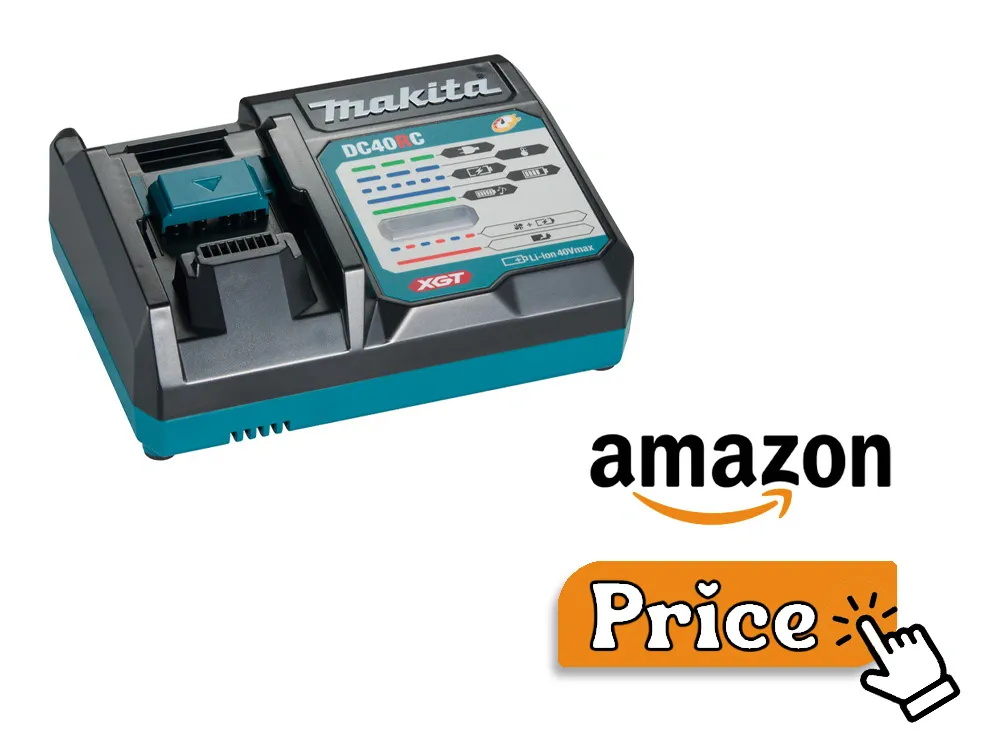
It has just one fan deep inside the hard black case. The fan blows a light breeze on the cells as they charge. The whole unit stays quite cool while it works all day. It stays very quiet which is nice in a small room.
I like to let my packs sit on it late at night. The slow push of power is safe for the cells. It does not heat up the room like the fast unit. I feel safe when I leave it plugged in the wall.
| Pros | Cons |
| Much more quiet than the big fast unit | Takes a long time to fill a four amp pack |
| Slow charge is safe for the life of the cells | Slow pace is bad for a fast work site |
| Light weight makes it easy to hold and store | One fan is weak on very hot summer days |
The hard case is strong and keeps the parts safe inside. I knocked it off my tall desk a few bad times. It hit the wood floor but did not break at all. The cord is thick and wraps up nice and neat.
The slow speed is a bit hard to deal with at work. It takes a long time to fill a four amp pack. You do not want to wait when the job is rush. But the slow speed does keep the tool cells very cool.
Cool cells will live a much longer life in your shop. Fast power pushes can wear out your packs as time goes on. I use this slow unit to keep my tool packs in great shape. It saves me cash since I do not buy new packs.
It feels light when I pick it up with one hand. I can toss it in a small box at the end of the day. It is simple to use and does not flash bad codes. It is a great pick for slow jobs at your home.
Details Comparison for Makita DC40RA vs DC40RC
Let us look close at how these two match up right now. I will show you what means the most in real world work.
Charge Speed and Wait Times
Time is cash when you work hard on a big job. The fast unit keeps my work team moving at top speed. The slow unit makes us sit and wait for green lights. You must know how fast you need power on your site.
I ran strict tests with a big huge eight amp pack. The fast unit took just over one hour to fill it. The slow unit took close to three whole hours to finish. That is a vast gap when you need to drive screws.
| Feature | Makita DC40RA | Makita DC40RC |
| Four amp pack time | Less than one hour | More than one hour |
| Eight amp pack time | Near one hour | Near three hours |
| Power push rate | Six amps | Four amps |
When I cut thick wood boards, the fast unit is a must. The slow unit leaves me with no power for my big saw. If you use big tools, you need the fast unit for sure.
Heat and Fan Noise
Heat is very bad for all forms of tool power packs. The fast unit makes a lot of heat as it works hard. It uses two loud fans to blow that bad heat out. You will hear the fans spin up high right away.
The slow unit does not get as warm to the touch. The one fan is just a soft hum in the room. I like the quiet sound when I work in my small shop. The packs feel nice and cool when the green light shines.
| Feature | Makita DC40RA | Makita DC40RC |
| Fan count | Two fans | One fan |
| Work sound | Very loud hum | Soft quiet hum |
| Pack heat | Warm to touch | Cool to touch |
The noise gap is huge if you work in a closed room. The two fans sound like a small jet in the house. The one fan sounds like a breeze blowing in the trees.
Size and Daily Use
Both tools have back holes to hang tight on a wood wall. Both play a sweet tune when the charge ends for the day. The fast unit is big and weighs a bit more in hand. It takes up a lot of room in my tool bag.
The slow unit is light and plain easy to grab fast. I can hold it firm with just one bare hand. The pack slides on the track with a very smooth glide. It locks right in place with a loud sharp click sound.
| Feature | Makita DC40RA | Makita DC40RC |
| Wall hang style | Yes | Yes |
| Weight in hand | Heavy feel | Light feel |
| Bag fit size | Needs big space | Fits small space |
I like how both tools grip the pack so it stays put. You can bump the bench and the pack will not fall out. This is a great trait for a messy wood shop site.
Screen Lights and Ease
Both tools use the exact same bright screen light signs. I can see the lights deep in the bright hot sun. This helps me a lot when I work out in the yard. The screen is clear and plain easy to read fast.
You do not need to push any weird buttons at all. You just slide the pack on the rail and let go. The tool does all the hard brain work right for you. The flash lights tell you the exact charge state right away.
| Feature | Makita DC40RA | Makita DC40RC |
| Sun sight | Very clear | Very clear |
| Light signs | Bright flash | Bright flash |
| Ease of use | Just plug in | Just plug in |
I did not have to guess what the tools were doing ever. The lights blink fast to tell you what stage it is in. It is a smart setup that helps keep the job smooth.
Long Life for Cells
High speed power pushes can stress your tool cells quite bad. Pushing six amps deep into a pack is a harsh rough ride. I think of this when I buy high cost tool packs. I want my packs to work hard for a long long time.
The slow four amp push is much more gentle and mild. This slow push keeps the inner cells safe from harsh heat wear. I use the slow unit when I am not in a rush at all. It helps me save good cash in the long run time.
| Feature | Makita DC40RA | Makita DC40RC |
| Cell stress | High stress | Low stress |
| Life span shift | May cut life | Will save life |
| Best use case | Rush jobs | Night charge |
You must pick if speed or life span is your main goal. For huge work sites, the fast speed is the true king. But for a home shop, long life span is the best path.
Conclusion
Choosing the right tool is all based on your daily work speed. Buy the fast unit if you run big saws all day long. Get the slow unit to save your pack life and save cash. Both tools are built tough and will serve your work needs well.
As an Amazon Associate, We earn from qualifying purchases