
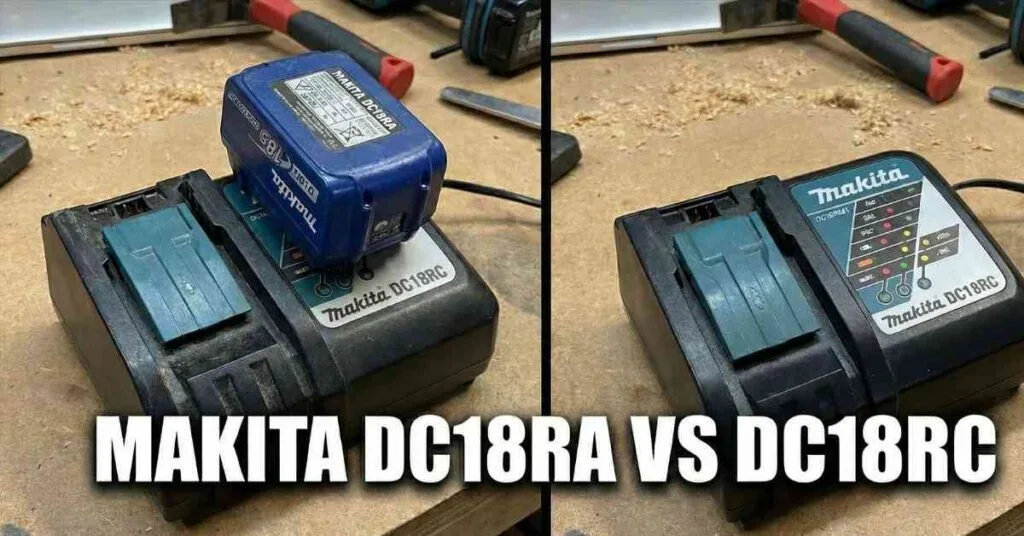
I have used Makita tools for years. The charger is the heart of the system. I have tested both the DC18RA and the DC18RC on many jobs. Here is what I found from my own daily use.
My Experience with the Makita DC18RA
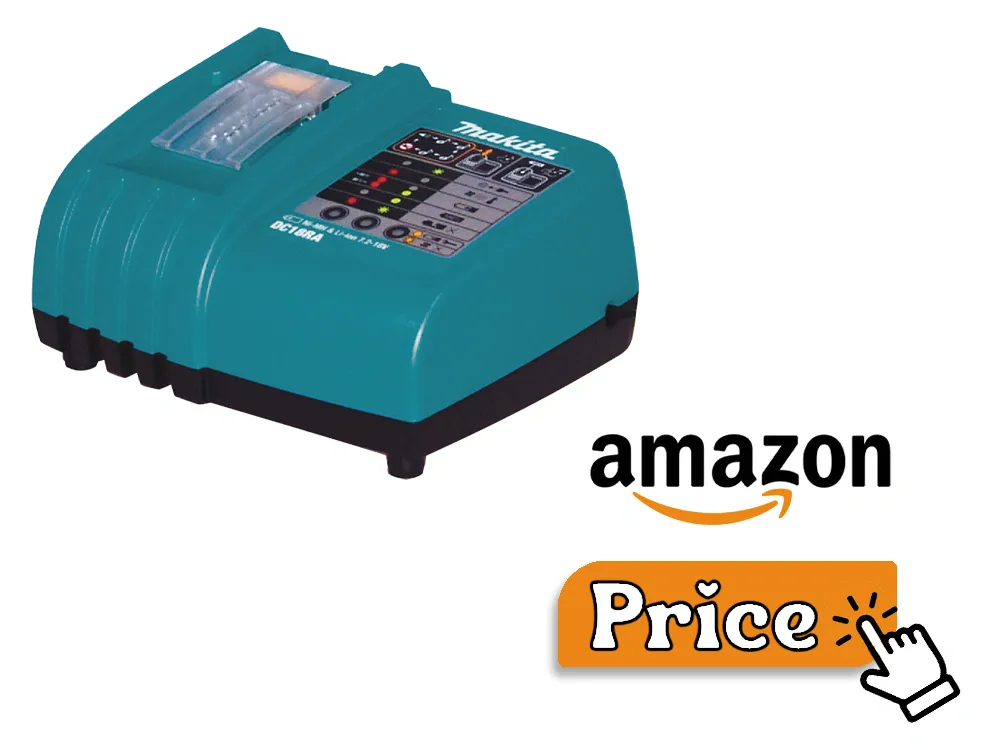
The Makita DC18RA was my first fast charger. I used it on a big framing job. We needed full batteries every hour. This charger is heavy and solid. It felt like it could handle a fall from a truck. The fan is loud but it works well. It kept my hot batteries cool while they charged.
I tested it with 3.0Ah batteries. It always finished in about 22 minutes. This was great for keeping the crew busy. I liked how the heavy base stayed still on my bench. It did not move when I swapped batteries with one hand.
| Feature | Pros | Cons |
| Build Quality | Very rugged and tough | Large and heavy |
| Charging Speed | Fast 22-minute cycle | Loud cooling fan |
| Stability | Stays put on the bench | Takes up lots of space |
| Compatibility | Works with all LXT packs | Hard to find now |
The size was the only real problem. It was hard to fit into my small tool bag. I had to carry it separately most of the time. But the build quality is top tier. I once dropped a drill on it. It did not break at all. It just kept working.
I checked the battery health often. The RA model kept my old packs in good shape. It balances the cells well. Even after years, the batteries still hold a full charge. It is a true workhorse for any shop.
My Experience with the Makita DC18RC
I switched to the Makita DC18RC to save space. It is much smaller and lighter. I used it for finishing work inside houses. It fits easily into the side pocket of my bag. This made my kit much easier to carry every day.
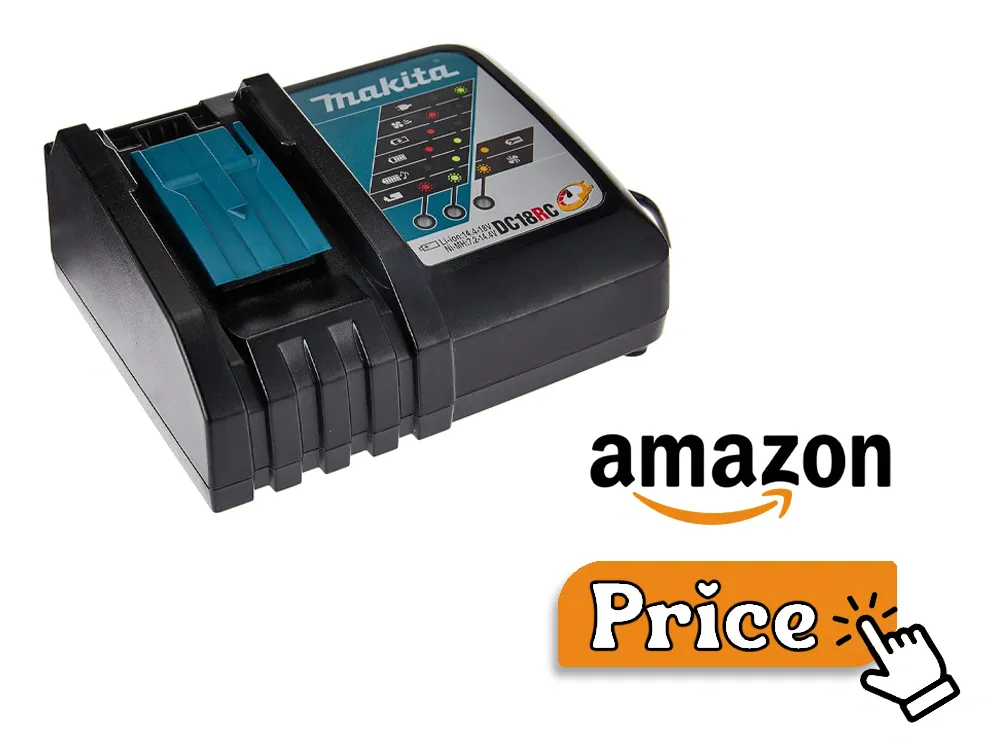
The speed felt just as fast as the old one. I tested it with a 5.0Ah battery. It took about 45 minutes to finish. The fan is quieter on this model. This was nice when I worked in quiet rooms. It did not bother the homeowners as much.
| Feature | Pros | Cons |
| Size | Very small and light | Slides on smooth desks |
| Noise Level | Quiet cooling fan | Feels a bit thinner |
| Performance | Same fast charge logic | Can get warm to touch |
| Availability | Easy to buy anywhere | No speed gain over RA |
I did notice it slides around more. The light weight means it moves when you pull a battery out. I put some small rubber pads on the bottom to fix this. It has survived a few small drops and some dust without any issues.
The tunes it plays are a nice touch. I can hear the song from another room. It tells me the battery is ready to go. I have used it for a year now. It has never failed or overheated on me once.
Detailed Comparison for Makita DC18RA vs DC18RC
Both chargers do a great job. They keep your tools running fast. The main choice is between size and weight. Here is how they compare in the real world.
Core Capability Comparison
Both tools use a smart chip to talk to the battery. This keeps the cells safe. I found that both chargers are very reliable. They reach the same top speed for all LXT packs. Neither one felt faster in my daily tests.
| Feature | Makita DC18RA | Makita DC18RC |
| Charge Logic | Smart CPU control | Smart CPU control |
| 3.0Ah Speed | 22 Minutes | 22 Minutes |
| Battery Range | 14.4V to 18V | 14.4V to 18V |
Design and Practical Use
The RA model is a big tank. It is great for a permanent spot on a bench. The RC model is built for the move. I prefer the RC for site work. It is much easier to pack at the end of the day.
| Design Aspect | Makita DC18RA | Makita DC18RC |
| Portability | Low (Large) | High (Small) |
| Bench Grip | Great (Heavy) | Fair (Light) |
| Total Weight | 2.2 lbs | 1.6 lbs |
Accuracy and Reliability
I used a meter to check the batteries. Both chargers stop at the right spot. They hit 20.4 volts for a full pack every time. I saw no drift in the results after weeks of use. They both react fast to any battery errors.
| Accuracy Metric | Makita DC18RA | Makita DC18RC |
| Result Stability | Very High | Very High |
| Response Time | Fast | Fast |
| Long-term Drift | Low | Low |
Build Quality and Durability
The RA model feels like it has thicker walls. It is a very tough tool. The RC model is solid too but feels more like modern plastic. Both have good vents to keep dust out. I have not had a fan fail on either one yet.
| Build Factor | Makita DC18RA | Makita DC18RC |
| Case Strength | Excellent | Very Good |
| Heat Control | Large Fan | Compact Fan |
| Tool Life | 10+ Years | Proven Reliability |
Battery Life and Power
Both units help your batteries last longer. They use air to cool the cells while they charge. This is key for long battery life. The auto-off works well on both. They do not waste power once the battery is full.
| Power Metric | Makita DC18RA | Makita DC18RC |
| Cell Cooling | Active Fan | Active Fan |
| Battery Health | High Protection | High Protection |
| Standby Draw | Very Low | Very Low |
Final Practical Comparison Table
| Feature | Makita DC18RA | Makita DC18RC |
| Accuracy | High | High |
| Size | Large | Small |
| Noise | Moderate | Low |
| Best For | Shop use | Field use |
| Price | High (Used) | Standard |
Both chargers are winners. Use the DC18RA if you want a heavy bench tool. Use the DC18RC if you travel to jobsites. They both give you the same fast speed and keep your batteries safe for a long time.
As an Amazon Associate, We earn from qualifying purchases