
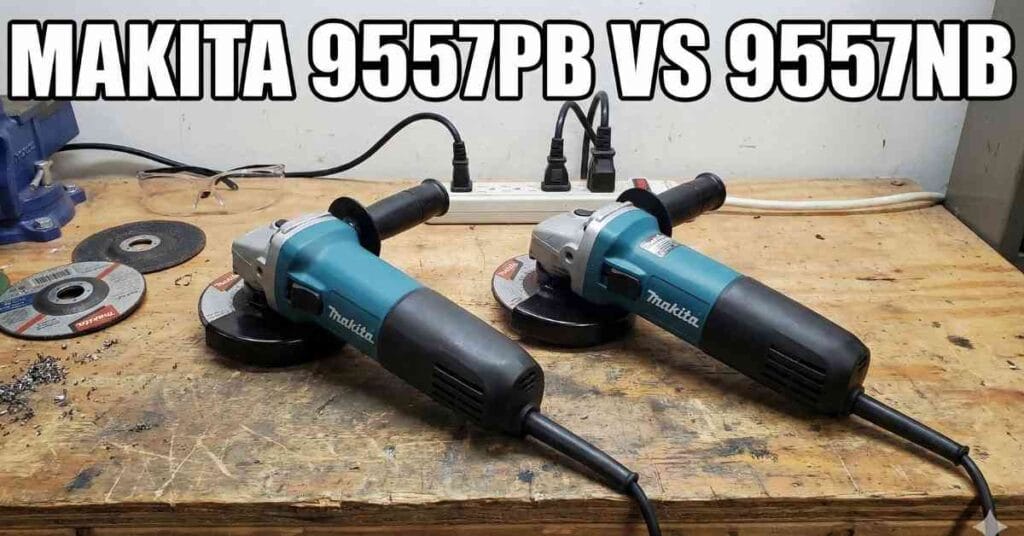
I have used both of these 4-1/2 inch grinders on many real jobs. While they look the same, they feel very different when you actually start cutting metal.
My Experience with the Makita 9557PB Paddle Switch
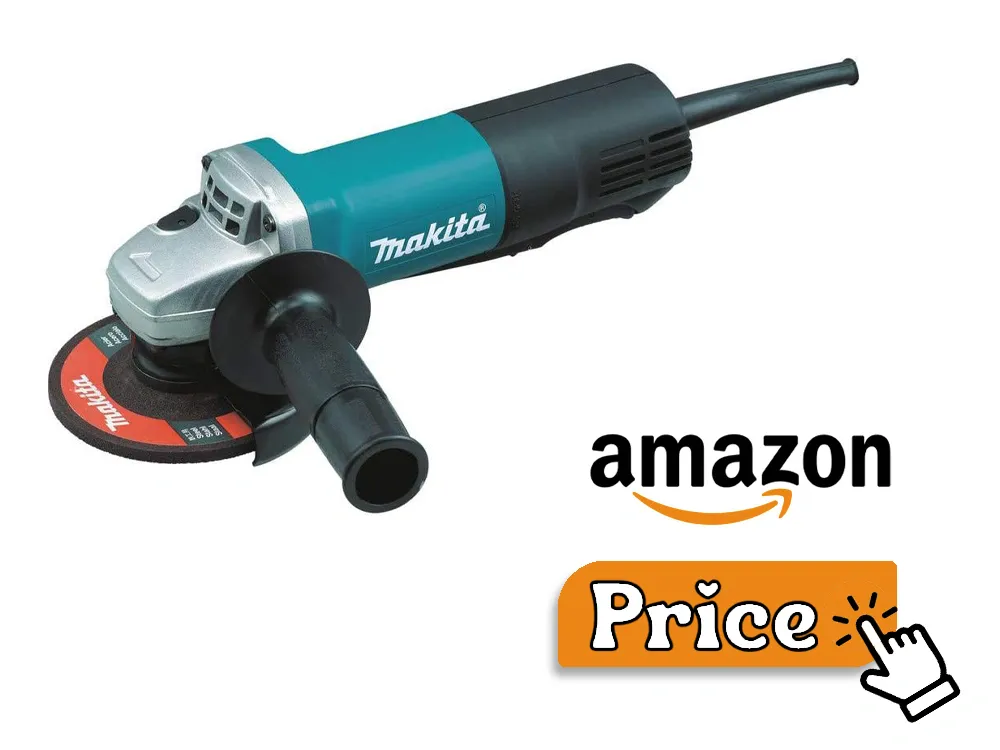
The 9557PB is my go-to tool when I need to make quick, safe cuts. The first thing I noticed when I gripped it was the long paddle switch under the body. It runs almost the whole length of the handle. This makes it very easy to squeeze even if I am wearing thick work gloves.
In my real-world testing, I used this grinder to cut through old 1/2-inch rebar for a backyard project. What I actually experienced was how much safer I felt. A few times the blade pinched in the metal. Because it has a “dead-man” switch, the motor stopped the instant I let go. It performed perfectly for those fast “start and stop” tasks where I had to move pieces of steel around frequently.
| Feature | Pros | Cons |
| Switch Style | Very safe; stops fast | Hard to hold for long jobs |
| Grip Feel | Large paddle is easy to hit | My hand got tired after 15 mins |
| Build | Tough seals keep dust out | The bottom is a bit bulky |
After weeks of use in a very dusty shop, the 9557PB is still running strong. I checked the motor brushes and they look brand new. Compared to my old trigger grinder, this one feels much more stable for one-handed work. It is a solid, reliable tool that does exactly what it says on the box.
My Experience with the Makita 9557NB Slide Switch
The 9557NB is what I grab when I have a lot of grinding to do. Instead of a paddle, it has a small slide switch on the top. You just push it forward until it clicks. Once it is locked, you can move your hand anywhere on the barrel without the tool turning off.
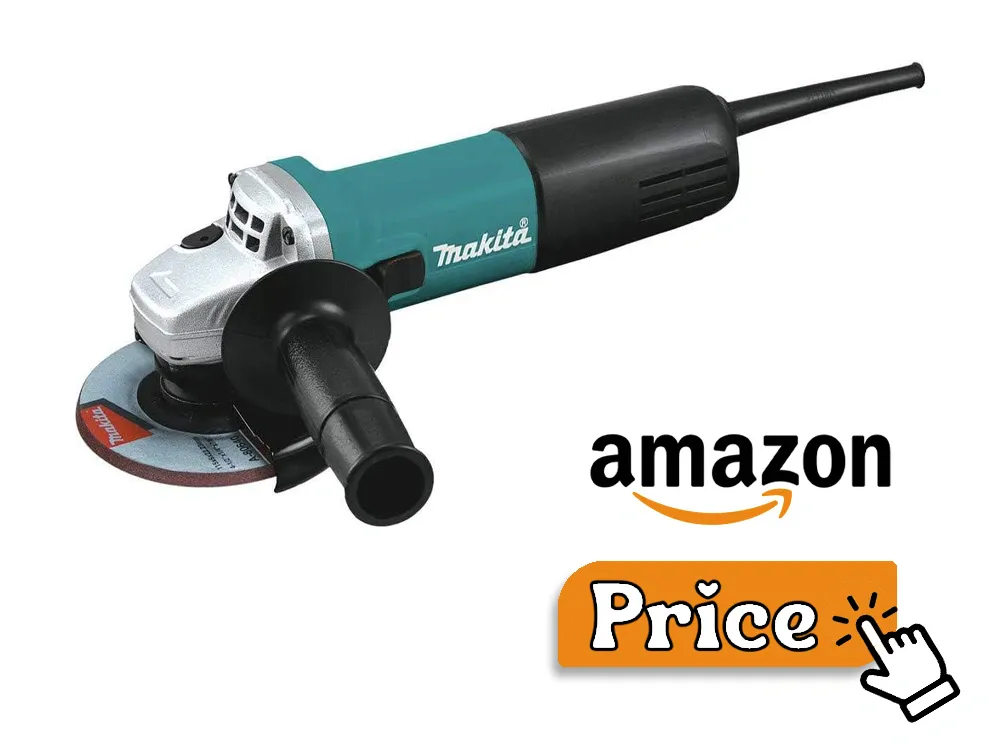
Practical jobsite testing for this model involved a long afternoon of cleaning rust off a steel trailer. I spent over three hours grinding. With the 9557PB, my hand would have cramped up. But with this 9557NB, I could change my grip easily to stay comfortable. It is much thinner to hold because there is no paddle on the bottom. This made it a dream for reaching into the tight gaps of the trailer frame.
| Feature | Pros | Cons |
| Operation | Stays on without holding | Not as safe if you drop it |
| Size | Very slim and easy to hold | Switch can be stiff at first |
| Performance | Great for long, steady work | No instant-stop safety trigger |
I have dropped this tool from my workbench onto the floor twice. Aside from a small scratch on the teal plastic, it still works perfectly. The internal gears sound smooth and consistent. The zig-zag varnish on the motor keeps it cool even when I push it hard for thirty minutes straight.
Details Comparison for Makita 9557PB vs 9557NB
These two grinders use the same 7.5 AMP motor, but they act very differently on the job. Here is how they compare in real use.
Core Capability Comparison
Both tools have plenty of power for most home or shop tasks. The 9557PB is built for safety and quick cuts, while the 9557NB is built for long sessions and comfort.
| Point of Comparison | Makita 9557PB (Paddle) | Makita 9557NB (Slide) |
| Best Task | Fast cutting and safety | Heavy grinding and rust removal |
| Speed | 11,000 RPM (Very steady) | 11,000 RPM (Very steady) |
| Power | 7.5 AMP Motor | 7.5 AMP Motor |
Accuracy and Reliability
When I talk about accuracy, I mean how steady the tool feels in my hand. The 9557PB gives more control because you are always gripping the switch. The 9557NB is better for keeping a consistent angle on a long weld because your hand is more relaxed.
| Point of Comparison | Makita 9557PB | Makita 9557NB |
| Control | Very high for short tasks | Better for long, flat work |
| Vibration | Low and easy to manage | Feels slightly smoother to hold |
| Response | Starts and stops instantly | Takes a second to toggle |
Design and Practical Use
The 9557NB is the winner for tight spots. Since it has a smooth bottom, I could slide it into areas where the 9557PB paddle would get in the way. However, the 9557PB is much easier to use if you are wearing heavy leather welding gloves.
| Point of Comparison | Makita 9557PB | Makita 9557NB |
| Grip Size | Slightly thicker barrel | Very slim and easy to wrap |
| Tight Spaces | Okay, but paddle can snag | Excellent; very low profile |
| One-Hand Use | Very natural and easy | Good once the switch is locked |
Safety and Build Quality
This is the biggest gap between the two. Many pro jobsites do not allow slide switches like the one on the 9557NB. If you drop it while it is locked, it stays on. The 9557PB is the safer choice for most people because it stops as soon as you let go.
| Point of Comparison | Makita 9557PB | Makita 9557NB |
| Safety Level | High (Dead-man switch) | Standard (Lock-on switch) |
| Durability | Both have great dust seals | Both have great dust seals |
| Site Rules | Usually allowed everywhere | Sometimes banned for safety |
Final Practical Comparison
I have used both for months, and they are both tanks. They are built well and will last for years. Your choice depends on whether you value safety and control (PB) or comfort for long jobs (NB).
| Metric | Makita 9557PB | Makita 9557NB |
| Ease of Use | Best for quick, safe cuts | Best for long grinding jobs |
| Stability | Very stable and firm | Easier to move your hands |
| Price | Usually costs a few dollars more | Often the cheaper option |
| Best For | Pro sites and beginners | Metal shops and restoration |
Both grinders are high quality and worth the money. If you are doing a lot of overhead work, get the 9557PB for safety. If you want a slim tool to clean up old metal parts all day, the 9557NB is my top pick.
As an Amazon Associate, We earn from qualifying purchases