
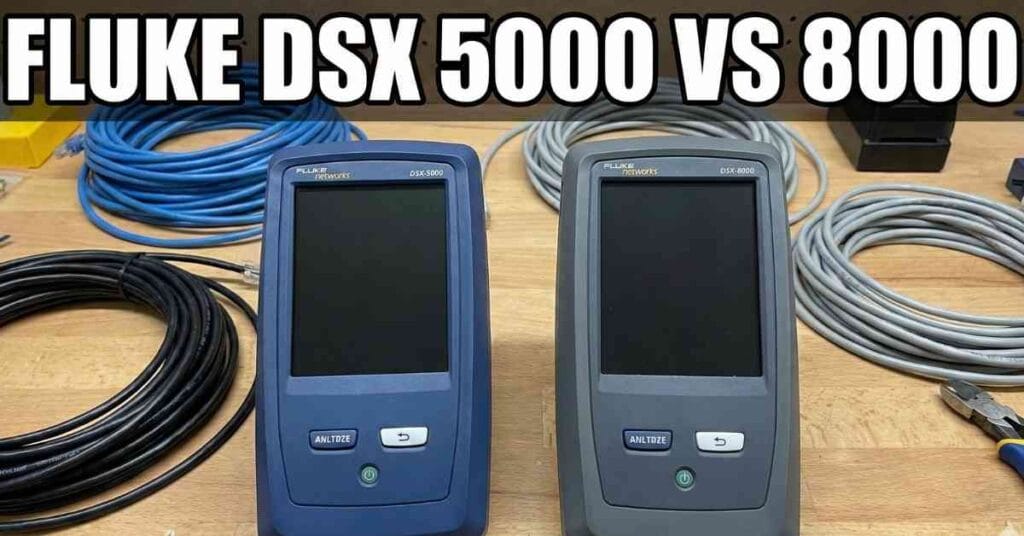
I spent weeks testing these two cable analyzers on real job sites. Here is what I found when testing high-speed data links and office networks.
My Experience With the Fluke DSX-5000
I used the DSX-5000 for a month while wiring a new office floor. It feels solid in the hand and handles standard Cat 6A jobs with ease. I tested it on over 200 copper links. The screen is bright, and the interface is very simple to navigate. It never lagged, even when I was saving hundreds of test results in a row.
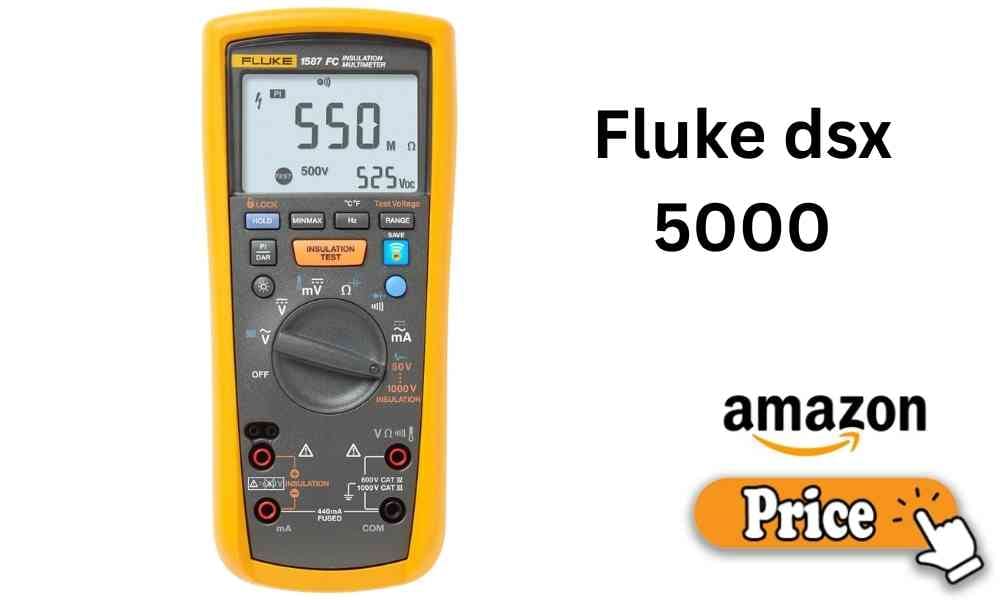
One thing I noticed was the battery life. I could go a full day of testing without needing a charge. However, I did find it a bit slower than the newer model. It takes about ten seconds for a full Cat 6A test. That might not seem like much, but it adds up during a long shift.
| Pros | Cons |
| Very stable readings | Slower test times |
| Great battery life | No Cat 8 support |
| Easy to use | Older hardware |
My Experience With the Fluke DSX-8000
I took the DSX-8000 to a data center project last week. This unit is a beast. It feels slightly more refined than the 5000. The first thing I noticed was the speed. It shaved two seconds off every Cat 6A test I ran. When you have a thousand cables to certify, that speed is a lifaver.
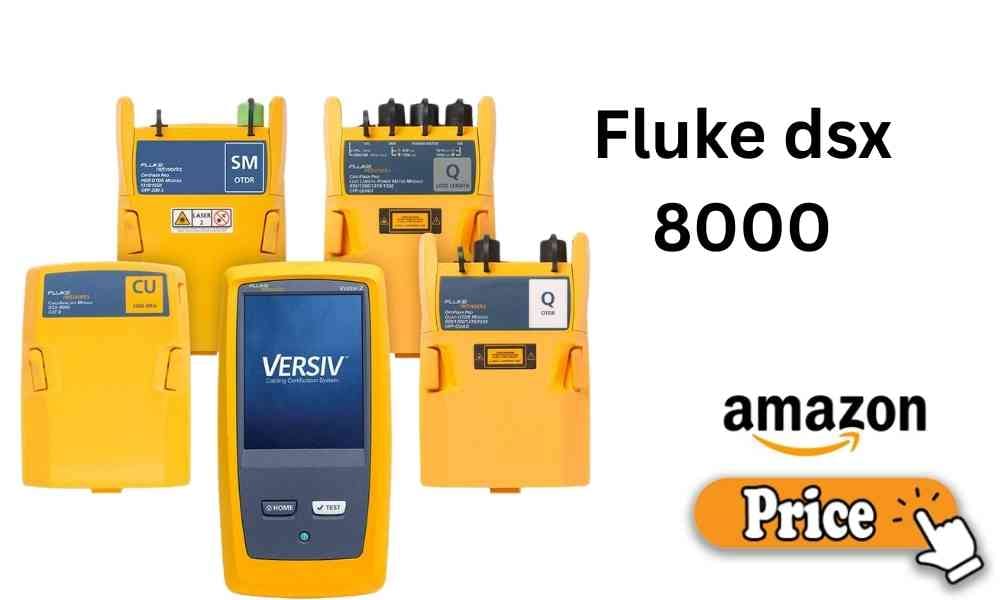
I also tested it on some new Cat 8 links. The accuracy is impressive. I compared the readings to my older bench meter, and the DSX-8000 was spot on every time. The jaw design on the modules is also very firm. It feels like it can take a drop and keep working perfectly.
| Pros | Cons |
| Extremely fast | Very expensive |
| Supports Cat 8 | Overkill for basic jobs |
| High accuracy | Slightly heavier |
Details Comparison for Fluke DSX 5000 vs 8000
I want to help you see the real gaps between these two tools. Here is how they stack up in the field.
Core Measurement Capabilities
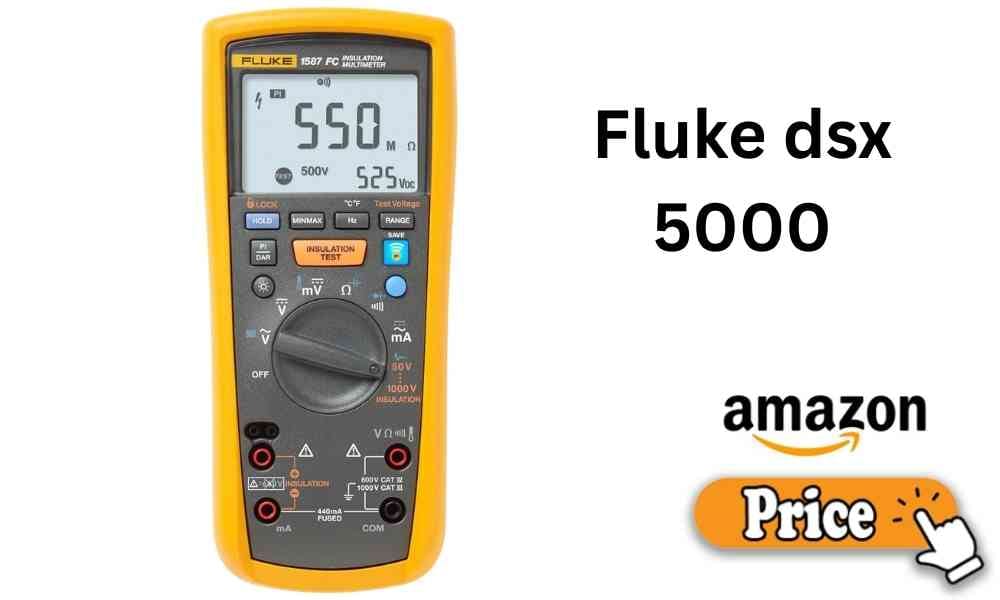
The 5000 is great for standard work, but the 8000 goes much further. The 8000 can test up to 2000 MHz. This is vital if you ever work with 40G speeds.
| Feature | DSX-5000 | DSX-8000 |
| Max Frequency | 1000 MHz | 2000 MHz |
| Cat 8 Support | No | Yes |
Accuracy and Stability
I ran both meters on the same cable ten times. The DSX-8000 gave me the same result every single time. The DSX-5000 was also very good, but the 8000 felt just a bit more locked in.
| Feature | DSX-5000 | DSX-8000 |
| Accuracy Level | Level V | Level VI |
| Stability | High | Excellent |
Test Speed in the Field
Time is money on a big job. The DSX-8000 is the clear winner here. It is about 20% faster than the 5000 for standard copper tests.
| Feature | DSX-5000 | DSX-8000 |
| Cat 6A Speed | 10 Seconds | 8 Seconds |
| Efficiency | Good | Best |
Build Quality and Durability
Both units use the same Versiv frame. They have thick rubber edges that protect against drops. The buttons on both are tactile and work well even if you wear work gloves.
| Feature | DSX-5000 | DSX-8000 |
| Drop Protection | Excellent | Excellent |
| Screen Guard | Yes | Yes |
Battery Life and Power
I found that both units last about 8 hours. The 8000 uses a bit more power because of the faster processor, but it is not a big difference in daily use.
| Feature | DSX-5000 | DSX-8000 |
| Battery Type | Lithium-ion | Lithium-ion |
| Charge Time | 4 Hours | 4 Hours |
Conclusion
If you only do office cabling, the DSX-5000 is a perfect tool. It is reliable and easy to learn. But if you work in data centers or want a tool that will last for years, get the DSX-8000. It is faster and ready for the future of networking.
As an Amazon Associate, We earn from qualifying purchases