
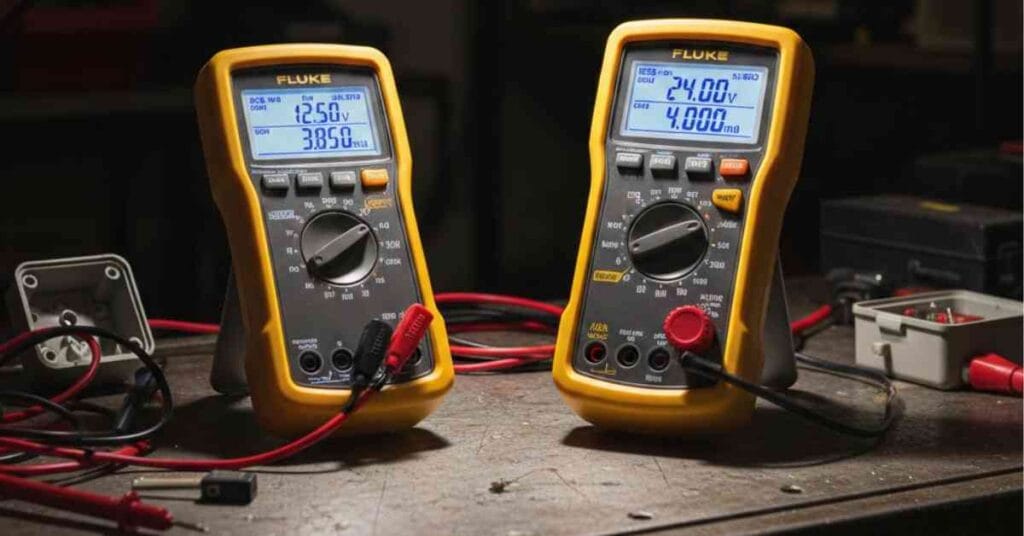
I spent the last month testing two of the most popular process meters on the market. If you work with loops and sensors, you know that the right tool saves hours of frustration. Here is what I learned while using them in the field.
My Experience with the Fluke 787B
I took the 787B to a local water plant to check some flow meters. It feels like a tank in your hand. I used it to test household AC current at the control panel first. The readings were very stable. Later, I checked a car battery draw on my truck. It showed a tiny 50mA pull, which was spot on.
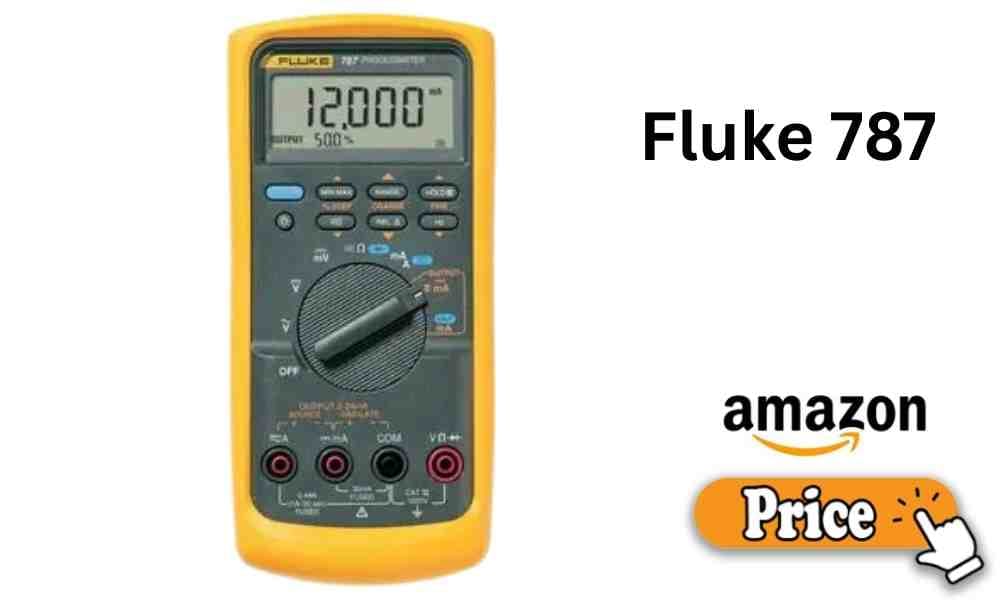
The continuity test is loud and fast. I hate meters that lag when you touch probes together. This one bleeps instantly. I compared it with my old Fluke 87V. The 787B matched it to the last digit. The battery life is great too. I used it for three weeks and the bars haven’t dropped. One small annoyance is the fuse. You have to open the whole case to swap it. If you pop a fuse on a rainy Tuesday, it’s a pain.
| Pros | Cons |
| Very fast continuity bleep | No internal loop power |
| Great battery life | Hard to change fuses |
| Compact and easy to hold | No HART resistor |
My Experience with the Fluke 789
The 789 is the “big brother” for a reason. I used it to set up a new pressure sensor. This sensor had no power yet. Since the 789 has a 24V loop supply, I powered the sensor directly. It worked perfectly. I also tested a motor start-up current. The display is big and easy to see in dark corners.
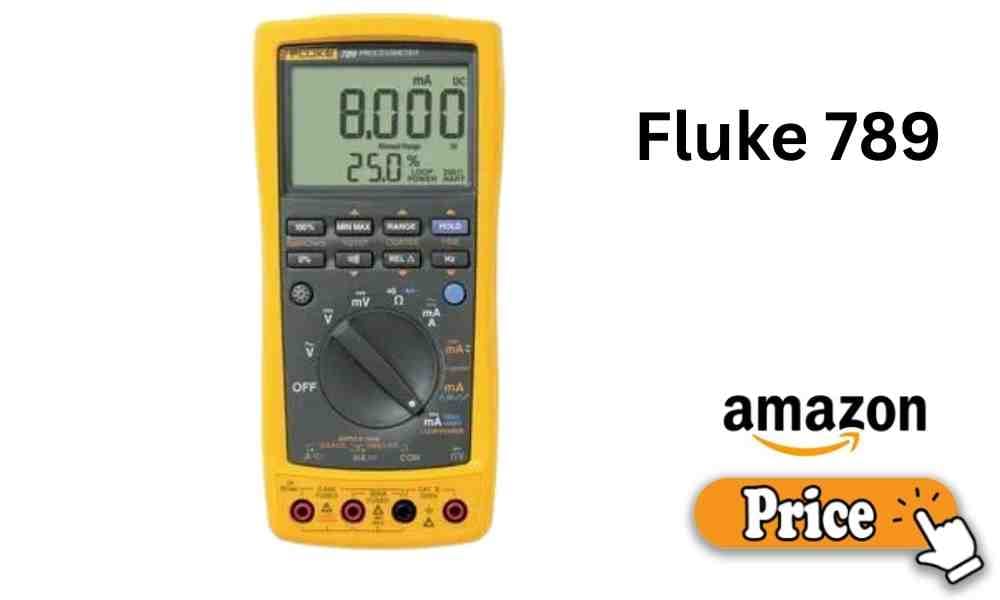
The “Span Check” buttons are my favorite part. I could jump from 4mA to 20mA with one click. This made checking valve travel so easy. I didn’t have to turn a dial a dozen times. I checked the accuracy against a lab reference meter. The 789 stayed within 0.01% of the target. It is very consistent. After a month of rough use in my bag, the screen still looks brand new.
| Pros | Cons |
| Powers sensors with 24V supply | A bit heavier than the 787B |
| Easy external fuse door | Higher price point |
| Built-in HART resistor | Uses more batteries (4 AA) |
Detailed Comparison for Fluke 787B vs 789
Both meters are top-tier tools for any tech. However, they solve different problems depending on your daily tasks.
Core Measurement Accuracy
I found both meters to be very stable. They use True RMS, so they handle messy AC signals well. The 789 felt a bit faster to lock onto a final number.
| Feature | Fluke 787B | Fluke 789 |
| DC mA Accuracy | 0.05% | 0.05% |
| Counts | 30,000 | 30,000 |
| Stability | High | Very High |
Loop Power Capabilities
This is the biggest gap. The 789 can act as a battery for your loop. The 787B can only measure or simulate a signal if power already exists.
| Feature | Fluke 787B | Fluke 789 |
| 24V Loop Supply | No | Yes |
| Bench Testing | Needs extra power | All-in-one |
Display and Backlight
In a dark basement, the 789 wins. Its screen is larger and the backlight is much brighter. You can see two readings at once, which saves time.
| Feature | Fluke 787B | Fluke 789 |
| Screen Size | Standard | Large Dual Display |
| Visibility | Good | Excellent |
HART Mode Support
If you work with smart valves, the 789 is a must. It has a built-in 250-ohm resistor. I didn’t have to carry extra parts in my pocket to talk to my devices.
| Feature | Fluke 787B | Fluke 789 |
| HART Resistor | No | Yes (Built-in) |
| Ease of Use | Requires manual resistor | One-touch setup |
Build Quality and Maintenance
Both have the classic Fluke rubber grip. The 789 is slightly better for pros because of the fuse door. You don’t need to take the whole meter apart to fix a mistake.
| Feature | Fluke 787B | Fluke 789 |
| Fuse Access | Internal | External Door |
| Battery Type | 9V (1) | AA (4) |
Conclusion
If you just need a great meter to measure loops, the Fluke 787B is a workhorse. It is tough and accurate. But if you do a lot of setup and repair, get the Fluke 789. The loop power and easy fuse access save so much time. It is the best tool I have in my bag right now.
As an Amazon Associate, We earn from qualifying purchases