
I stood in my backyard last June. It was hot. The air was thick and humid. I looked up at the old oak tree shading my deck. A large, broken branch dangled precariously. It was mocking me.
I have a big gas chainsaw in the shed. It is heavy. It smells like old fuel. It takes five minutes of pulling a cord just to get it started. For one branch, it felt like too much work.
That was the problem. I had the wrong tool. I realized I needed something different. I needed a tool that was ready to go instantly. I needed the best mini chainsaw cordless model I could find.
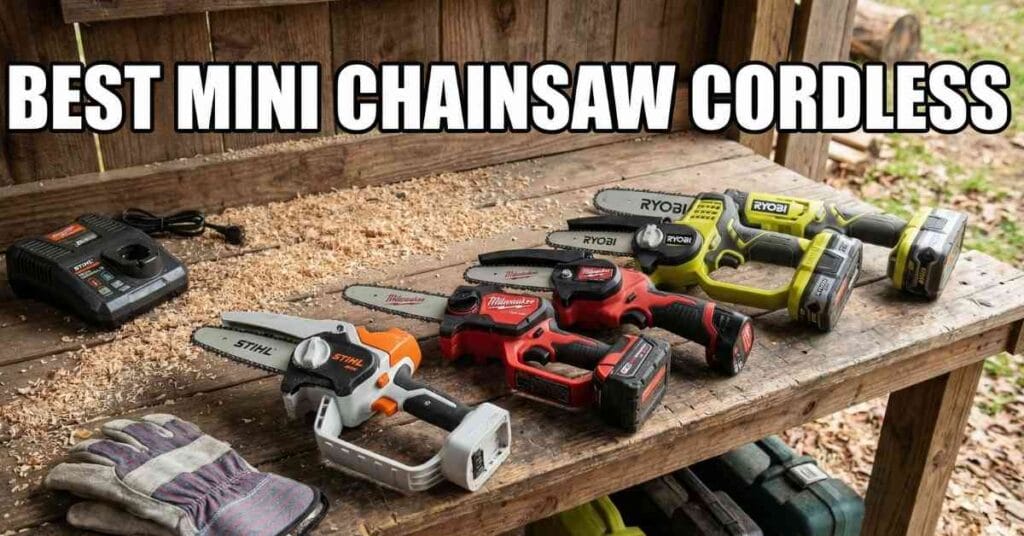
Over the last six months, I have tested five of the most popular models. I pushed them to their limits. I cut hardwoods, softwoods, and even some old fence posts. I found out which ones work and which ones are just toys.
Here is what I learned from my time in the dirt.
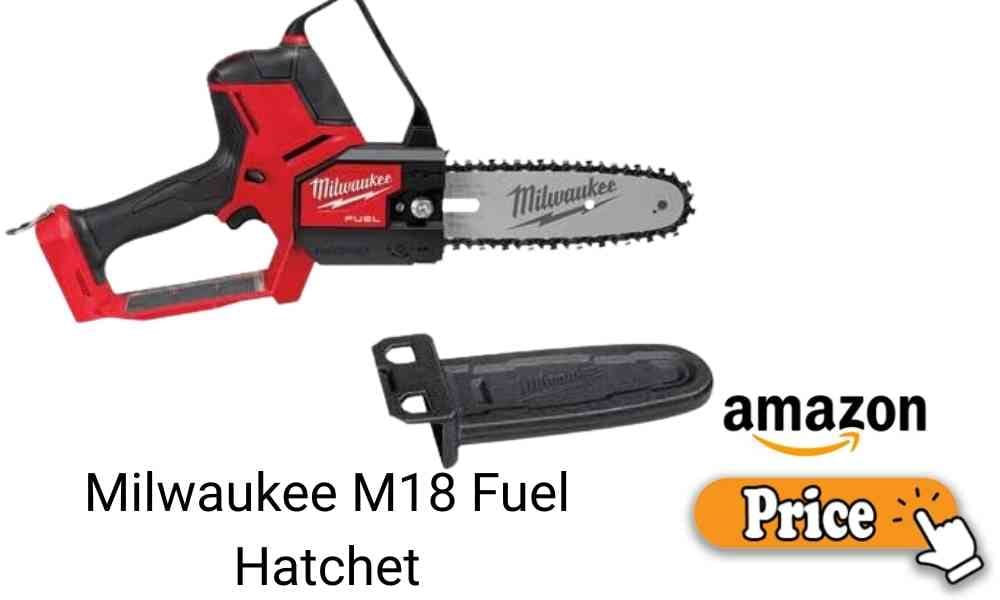
The Heavy Hitter: Milwaukee M18 Fuel Hatchet
I started with the biggest tool in the category. I am a fan of power. The Milwaukee M18 Fuel Hatchet caught my eye first because of its size.
I took this saw out after a summer storm. A medium-sized pine tree had snapped. It had fallen across my driveway. It was a mess.
I slid the battery in. It clicked solidly. When I pulled the trigger, the motor didn’t ramp up slowly. It snapped to full speed instantly. It sounded angry.
I pressed the bar into the pine log. It was about six inches thick. I was ready for a fight.
The Problem: Bounce and Kickback
Most mini saws bounce when they hit wood. It is scary. The saw wants to jump back at you. This causes fatigue because you have to fight the tool to keep it steady.
This happens because lightweight saws lack mass. They also usually lack bucking spikes. These are the metal teeth at the base of the bar. Without them, the smooth plastic just slides against the bark.
The Fix
The Milwaukee M18 solves this. It has aggressive metal spikes. I jammed the spikes into the bark. I used them as a pivot point. The saw pulled itself through the wood. It felt stable. It felt safe.
I cut up the entire tree in twenty minutes. My arm was tired, but the job was done. It felt like using a real chainsaw, just smaller.
| Pros | Cons |
| Incredible power for a small tool | It is heavy at about 5 lbs |
| Automatic oiler keeps chain wet | It is expensive |
| Metal spikes add safety and control | The motor whine is loud |
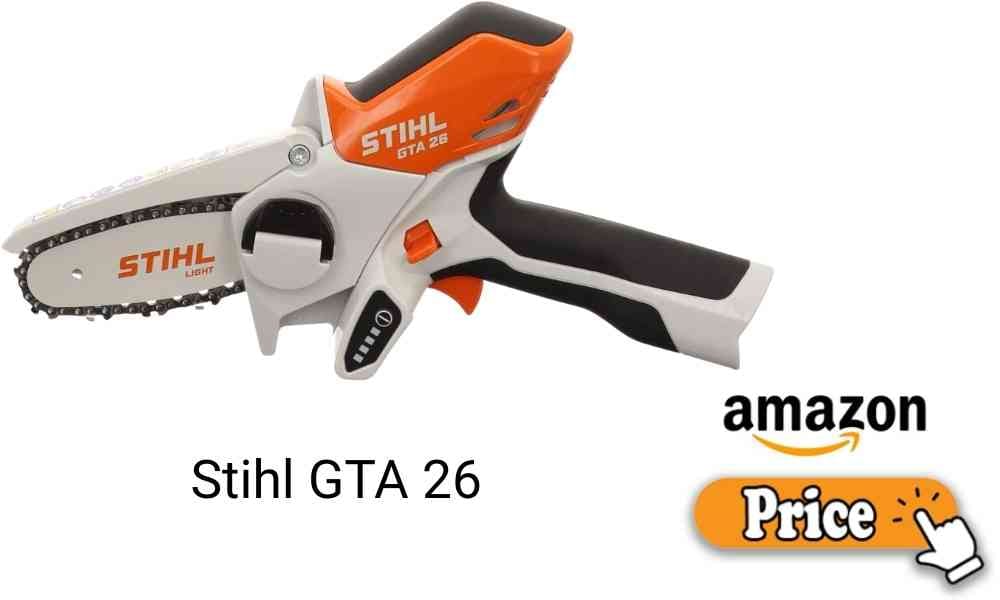
The Surgeon Tool: Stihl GTA 26
After the heavy Milwaukee, I wanted to try something lighter. I picked up the Stihl GTA 26. Stihl is a legend in the chainsaw world. I expected quality.
I went to work on my overgrown fruit trees. My apple tree had dead limbs crossing over each other. This required precision. I needed to cut the bad wood without hurting the good wood.
The Stihl feels like an extension of your hand. It is tiny. It weighs almost nothing. I climbed a step ladder and reached into the canopy.
The Problem: The Burning Chain
I was cutting happily for ten minutes. Then, I smelled something burning. It smelled like hot metal. I touched the chain. It was scorching hot. The chain had stretched and was hanging loose.
Friction kills chains. Chainsaws need oil to reduce friction. Big saws oil themselves. The Stihl GTA 26 does not. It relies on you to add oil manually.
The Fix
I had to stop. I let the saw cool down. I grabbed the little bottle of oil that came with the kit. I dripped oil along the bar.
I learned that with this saw, I have to oil it before every few cuts. It slows you down, but it saves the tool. If you buy this, keep a small oil bottle in your pocket. Do not forget.
| Pros | Cons |
| Extremely light and ergonomic | You must oil it manually |
| Very quiet and smooth | Battery life is short |
| Cuts are clean and surgical | Not for thick logs |
The Perfect Balance: Milwaukee M12 Fuel Hatchet
I loved the power of the M18 but hated the weight. I loved the weight of the Stihl but hated the manual oiling. I needed a middle ground. I tried the Milwaukee M12 Fuel Hatchet.
I took this tool to a friend’s property. We were clearing a walking trail. There were vines, saplings, and sticker bushes everywhere.
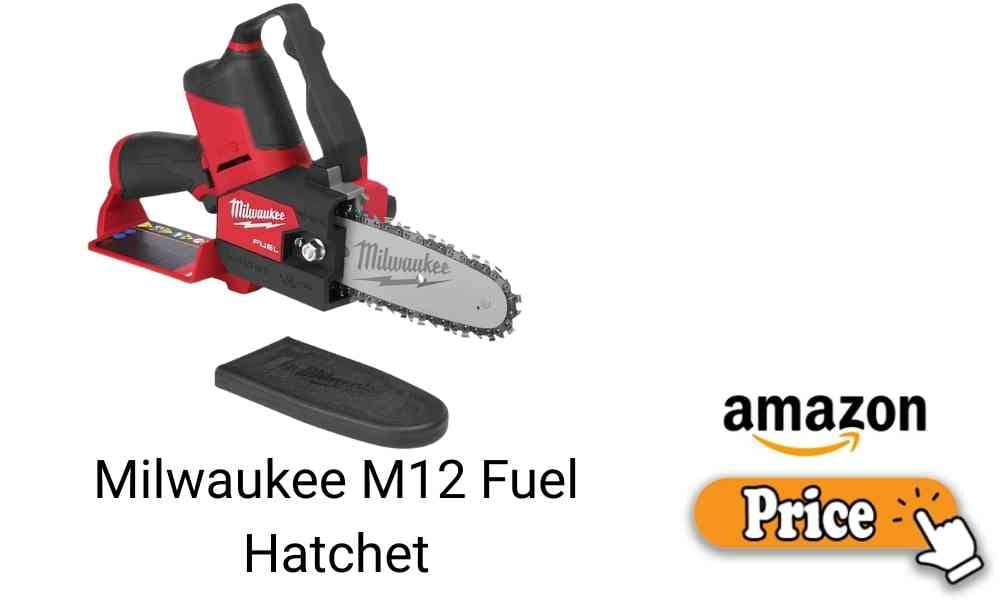
The M12 runs on a smaller 12-volt battery. It fits easily into a backpack. I walked the trail, cutting saplings as I went. The saw felt balanced. It was not top-heavy.
The Problem: Stalling Out
I encountered a fallen oak limb. It was hard, seasoned wood. I tried to force the M12 through it quickly. The motor bogged down. It stopped completely. The red lights on the battery flashed.
The 12-volt motor is strong, but it has limits. When you push too hard, the electronics sense an overload. They cut the power to protect the battery.
The Fix
I had to adjust my technique. I learned to let the tool do the work. I backed off the pressure. I let the chain spin up to speed again.
I eased it into the cut. It took a few seconds longer, but it made it through. Patience is key with the M12.
| Pros | Cons |
| Great balance of size and power | Slower than the 18-volt version |
| Has an automatic oiler | 6-inch bar limits cut size |
| Easy to carry on long hikes | Can stall if you push too hard |
The Weekend Warrior: Ryobi 18V ONE+ HP
I have a garage full of Ryobi batteries. I use them for my drill and my leaf blower. It made sense to try their 8-inch pruning saw.
It was a Saturday morning. I had a pile of brush from trimming hedges. I needed to cut it into smaller pieces for the compost bin.
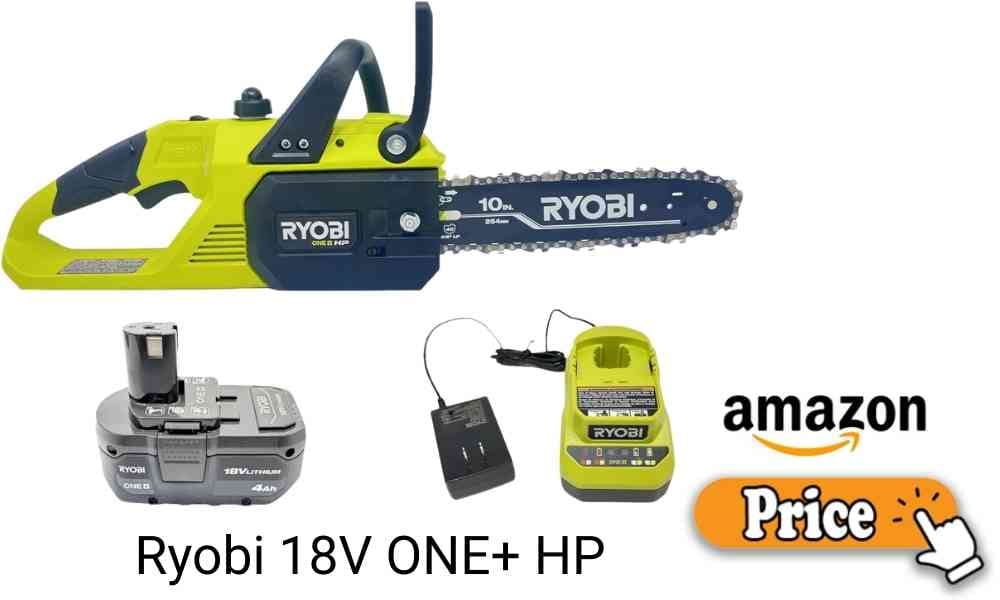
The Ryobi felt familiar. It is made of plastic, but it feels tough enough for home use. I slid the battery in and got to work.
The Problem: Numb Hands
I started cutting. After about fifteen minutes, my hand felt weird. It was tingling. It felt like it had fallen asleep.
This is caused by vibration. Cheaper tools often lack the dampening systems found in pro tools. The motor vibration travels right through the handle and into your hand.
The Fix
I went to the garage and put on a pair of thick leather work gloves. This helped absorb the shock. I also learned to take breaks.
I would cut for ten minutes, then stop to stack the wood. If you are just doing yard work on weekends, this tool is fine. Just wear gloves.
| Pros | Cons |
| Good price point | High vibration |
| Tool-free chain adjustment is easy | Slower cutting speed |
| Huge battery compatibility | Feels a bit plastic |
The Budget Gamble: Saker Mini Chainsaw
You have seen the ads on social media. The Saker Mini Chainsaw is very cheap. I bought one to see if it was junk.
It arrived in a small plastic case. It looked like a toy. It was incredibly light. I took it to the back of the garden to cut some dead hydrangeas.
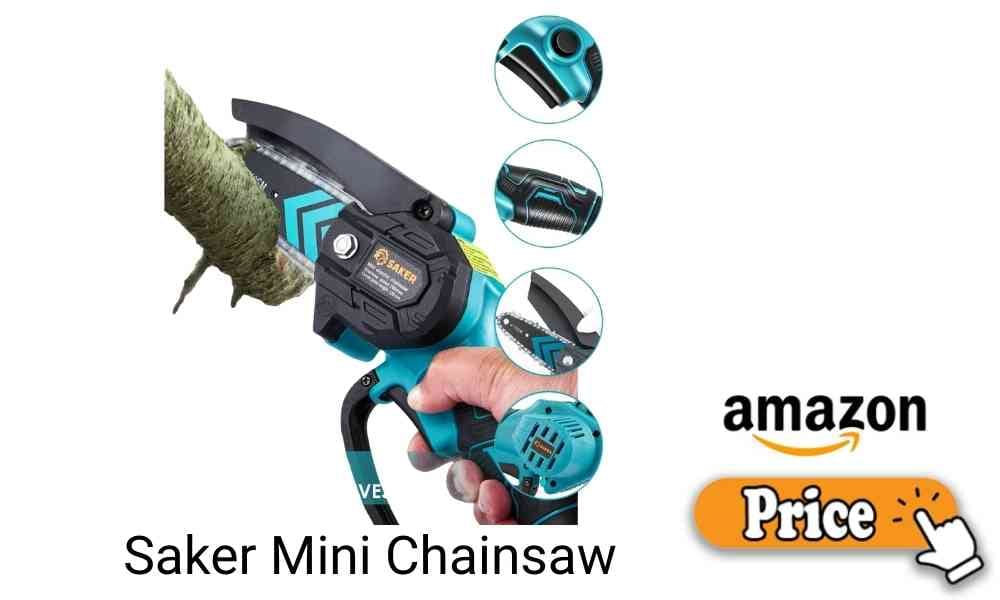
It worked. I was surprised. It zipped right through the thin stems. I felt good about the purchase for a moment.
The Problem: The Chain Pop
I got confident. I tried to cut a three-inch branch. The saw struggled. The motor started to whine. Then, the chain came off the bar. It just popped right off.
The chain tensioner on cheap saws is often weak. It is just a screw holding the bar in place. As the chain heats up, it expands. If the tensioner is weak, the chain gets loose and falls off.
The Fix
I had to take the cover off. I put the chain back on. I tightened the screw as much as I could. I realized I had to check the tightness after every five cuts.
This tool is okay for very light work. But do not expect it to last forever.
| Pros | Cons |
| Very cheap | Chain falls off easily |
| Very small and portable | Motor overheats quickly |
| Comes as a full kit | Poor safety features |
What You Actually Need
After testing all these, I realized that specs on the box do not tell the whole story. Here is what matters when you are standing in the dirt.
1. The Oiling System
This is the biggest factor.
The Problem: A dry chain gets hot. It dulls quickly. It ruins the bar. You end up buying replacement parts constantly.
The Fix: Buy a saw with an automatic oiler like the Milwaukee or Ryobi. This is vital if you plan to cut for more than ten minutes. If you only make three cuts a year, manual oiling is fine.
2. Bar Length
The bar is the metal part the chain spins around. Size matters here.
4-inch: This is for pruning bushes. It is for branches thinner than your wrist. It is not for logs.
6-inch: This is the sweet spot. It handles most yard waste. It is safe and easy to control.
8-inch: This is almost a real chainsaw. It can cut small trees. It is heavier but more capable.
3. Chain Tension
All chains stretch when they get hot. They get loose. You need to tighten them often.
The Problem: Finding a screwdriver in the middle of the yard is annoying.
The Fix: Look for tool-free tensioning. This is a knob on the side of the saw. It lets you tighten the chain with your fingers. The Ryobi has this, and it is very convenient.
The Lesson I Learned the Hard Way
I ruined my first chain in two days. I was cutting dirty wood near the ground.
The Problem: The Saw Stopped Cutting
I was cutting a root that was sticking out of the ground. The chain hit the dirt for one second. That was it.
The next time I tried to cut wood, the saw just made dust. It would not cut. It just burned the wood.
Dirt is like sandpaper. It dulls the sharp chrome plating on the chain teeth instantly. A dull chain is dangerous. It forces you to push harder, which overheats the motor.
The Fix
Keep your chain out of the dirt. If you have to cut near the ground, put a piece of cardboard under the log.
Also, buy a simple file guide. Learning to sharpen a chain takes ten minutes to learn. It saves you money on buying new chains.
Final Verdict
So, which one should you buy? It depends on your day and your yard.
If you have a storm mess to clean up and need to work fast, get the Milwaukee M18 Fuel Hatchet. It is a professional tool. It is reliable. It will not quit on you.
If you are a gardener who loves precision and light weight, get the Stihl GTA 26. Just remember to oil it.
If you are a homeowner on a budget, the Ryobi 18V ONE+ HP is a solid choice. It does the job well enough for weekend chores.
Tools are supposed to solve problems, not create them. Choosing the right size and power for your specific yard makes all the difference.
FAQs – Best Mini Chainsaw Cordless
Are mini chainsaws safe to use?
Mini chainsaws are strong tools. They cut fast. Wear eye gear. Watch your hands. Kickback is a risk. Use gloves to stay safe. It helps you work with no pain at all.
How long does the battery last?
A battery lasts for twenty minutes. Hard wood takes more power. Keep a spare one near you. This helps you get the job done fast. You do not have to wait for a charge.
Do I need to oil the chain?
Yes, all chains need oil to work. Some saws oil themselves. Others need drops by hand. Oil keeps the chain cool. It stops the metal from getting way too hot to use.
How big of a log can I cut?
A small bar cuts small logs best. Do not force the tool. Let the saw do the work. If the log is too big, the motor will stop. Stick to wood that fits the bar well.
How do I sharpen the chain?
A dull chain cuts slow. It can burn the wood. Use a file to make it sharp. It takes just a short time. A sharp chain is safe. It makes the work easy for you to do.
As an Amazon Associate, We earn from qualifying purchases