
I have spent countless weekends maintaining yards of all shapes and sizes, and I know how frustrating it is to use the wrong tool for the job. In my experience, choosing between a weed eater and an edger comes down to understanding your yard’s specific boundaries and overgrowth. This comparison will clarify exactly how these tools operate so you can invest your money wisely and get the clean lawn you want.
weed eater vs edger: At a Glance
| weed eater | edger | |
|---|---|---|
| Primary Function | Trimming tall grass and weeds around obstacles. | Creating clean, sharp boundaries between lawns and hardscapes. |
| Cutting Mechanism | Rapidly spinning flexible nylon string. | Rigid, vertical metal blade. |
| Precision & Edge Quality | Good for general tidying but lacks a perfectly straight edge. | Provides a highly precise, manicured, and perfectly straight line. |
| Versatility | High versatility; works on slopes, around trees, and tight corners. | Low versatility; designed strictly for straight lines along paved paths. |
| Ease of Use | Requires steady hands and manual leveling to avoid scalping lawns. | Easier to guide in straight lines, often supported by wheels. |
| Best For | Overgrown areas, fence lines, walls, and garden beds. | Driveways, sidewalks, curbs, and defined flowerbed borders. |
| Surface Adaptability | Works well on uneven terrain, steep slopes, and rocky ground. | Best suited for flat surfaces adjacent to paved edges. |
Complete Comparison: weed eater vs edger
| 52cc Gas Weed Eater, Gas Powered | BLACK+DECKER 20V MAX String Trimmer and | |
|---|---|---|
| Product Image | 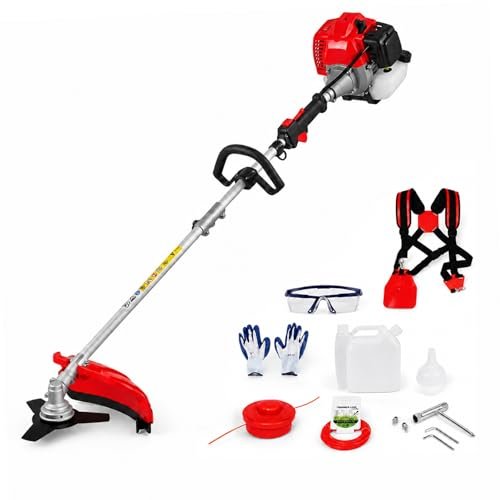 | 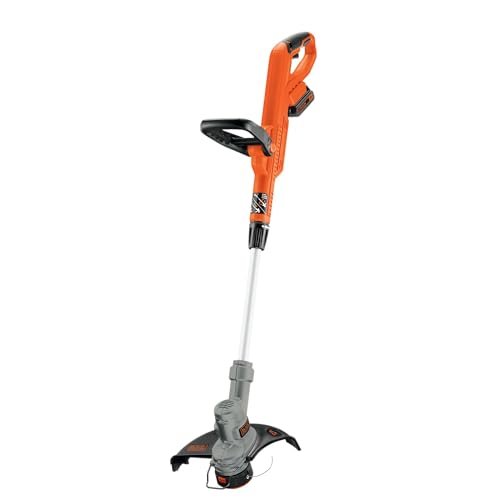 |
| Price | View On Amazon | View On Amazon |
| Category | Heavy-Duty Gas Powered | Lightweight Cordless Electric |
| Power & Engine Speed | 52cc 2-Stroke Gas Engine (2.2KW) delivering up to 8500 RPM | 20V MAX Battery-powered motor with 6200 RPM |
| Cutting Versatility | 2-in-1 String Trimmer and Brush Cutter (includes 3-tooth metal blade for heavy brush) | 2-in-1 String Trimmer and Precision Edger (12-inch cutting swath) |
| Line Feed & Handling | U-shaped handle & shoulder strap; manual/standard feed; heavier vibration-reduced design | Automatic Feed Spool (AFS) – no bumping required; ultra-lightweight with adjustable height |
| Included Accessories | Complete Kit: Trimmer head, 3-tooth blade, gloves, funnel, safety glasses, oil can, install kit | Starter Kit: (1) 2.0 Ah lithium-ion battery and a wall-mountable charging base |
| Best For | Clearing dense brush, thick weeds, and maintaining large, overgrown yards | Quick lawn edging, light weed trimming, and maintenance of smaller residential yards |
| Amazon Link | View On Amazon | View On Amazon |
| Overall Winner | Winner (for raw power & heavy brush clearing) | Runner-Up (best for light domestic trimming) |
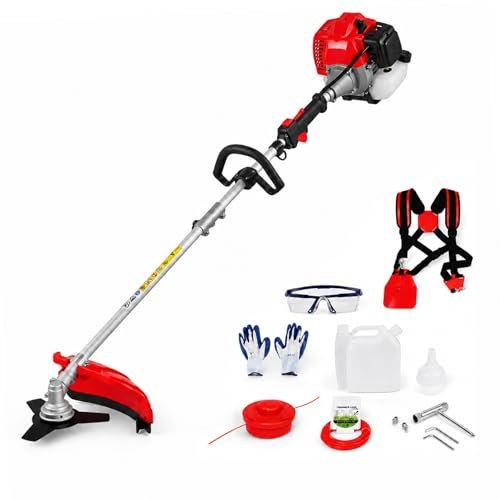
52cc Gas Weed Eater, Gas Powered Weed Wacker, Brush Cutter & String Trimmer
When I first fired up this heavy-duty machine, the raw power of the 52cc 2-stroke engine immediately caught my attention. This gas-powered beast operates at an impressive 8500 RPM speed, making short work of thick weeds and dense brush that would instantly choke a lesser tool. It features a versatile 2-in-1 string trimmer and brush cutter design, allowing me to swap between a standard nylon line and a sharp 3-tooth metal blade for serious clearing. To manage the weight and vibration, the manufacturers included a comfortable U-handle control alongside a padded shoulder strap. The overall build consists of durable ABS and metal materials that feel sturdy enough to survive years of rough handling on demanding terrain.
Key Features
- Heavy-duty 52cc two-stroke engine delivering up to 8500 RPM of high-torque cutting power.
- Dual-function versatility with both a string trimmer head and a 3-tooth metal brush cutter blade.
- Ergonomic U-handle bicycle-style grip and shoulder strap to distribute weight evenly and minimize fatigue.
- Tough ABS and metal construction built to withstand impact from rocks and woody debris.
- Complete starter bundle containing safety glasses, gloves, fuel mixing bottle, and assembly tools.
Pros
- Incredible cutting power that easily slices through woody brush, briars, and thick weeds.
- Gas engine offers unlimited runtime without worrying about battery charging or cord lengths.
- Bicycle-style handlebars provide excellent control when clearing large, uneven properties.
- Metal blade swap is quick and transforms the tool into a true forestry brush cutter.
Cons
- Significantly heavier and louder than electric alternatives, requiring ear protection.
- Demands ongoing engine maintenance, including precise oil-to-gas fuel mixing.
- Heavy exhaust fumes can be unpleasant during long work sessions on hot days.
Best for: Homeowners with large properties, acreage, overgrown ditches, or dense brush that standard string trimmers cannot handle.
Expert Opinion: This gas model is a brute-force tool designed for clearing wild acreage rather than delicate manicuring, and its metal brush blade is unmatched for reclaiming overgrown property lines.
BLACK+DECKER 20V MAX String Trimmer and Edger 2 in 1 (LST300)
In my experience testing cordless gear, the BLACK+DECKER 20V MAX string trimmer stands out as a highly maneuverable tool for everyday yard upkeep. I appreciate the POWERDRIVE Transmission because it sends consistent energy from the 20V MAX battery directly to the cutting line without stalling in thicker grass. The Automatic Feed Spool (AFS) completely eliminates the annoyance of bumping the head on the ground, feeding the line smoothly as you work. Converting the tool from a standard trimmer to a precise grass trimmer edge trimmer takes only a few seconds with a quick twist of the shaft. Weighing very little, the lightweight design with adjustable handle ensures my back and arms do not ache after a quick afternoon cleanup session.
Key Features
- POWERDRIVE Transmission system designed to maintain torque and prevent bogging down in tall grass.
- Innovative Automatic Feed Spool (AFS) that continuously feeds line without requiring manual bumping.
- Instant 2-in-1 trim or edge adjustment to switch between horizontal trimming and vertical edging.
- 20V MAX cordless battery system that operates quietly without gasoline, cords, or exhaust fumes.
- Ergonomic shaft with adjustable height positions to accommodate users of different heights comfortably.
Pros
- Extremely lightweight and easy to carry, making it perfect for quick yard touch-ups.
- Quiet operation allows you to trim early in the morning without disturbing neighbors.
- Hassle-free push-button starting requires zero engine maintenance or fuel mixing.
- Built-in guide wheel makes tracking clean, straight lines along sidewalks incredibly easy.
Cons
- Battery life is limited, requiring a spare pack for larger yards.
- Lacks the raw power needed to cut through heavy brush, woody weeds, or thick brambles.
Best for: Suburban homeowners with small to medium yards who want a quiet, lightweight, and maintenance-free tool for neat lawn edges.
Expert Opinion: This cordless unit is the quintessential suburban trimmer, perfect for keeping sidewalks crisp and fence lines clear without the noise and hassle of a gas engine.
weed eater vs edger: Key Differences That Matter
Performance Comparison
Power and motion dictate how these tools perform on your grass. A weed eater slices horizontally. It uses a spinning nylon string to clear wide, messy patches of tall grass quickly. In contrast, an edger works vertically. It utilizes a rigid blade or a turned trimmer head to slice a clean, deep channel right between your lawn and the concrete.
The 52cc gas model tears through woody weeds like butter. The 20V battery-powered edger uses its guide wheel to slice neat boundaries along sidewalks. You cannot easily clear an overgrown field with a delicate edger. You cannot easily maintain a perfectly straight sidewalk line using a heavy gas brush cutter, either.
Price and Value Analysis
Upfront costs tell only half the story when investing in lawn care. The heavy gas weed eater demands a higher initial investment. You must also factor in the recurring costs of two-stroke engine oil, fresh gasoline, and replacement air filters. It offers incredible longevity if you maintain the engine properly.
The cordless Black and Decker edger costs less out of the gate and requires virtually zero maintenance. However, lithium batteries eventually degrade over several years. You will face a significant replacement battery expense down the road. If you have a small yard, the electric option saves you money and time. For massive properties, the gas model pays for itself by preventing costly professional clearing services.
Build Quality Comparison
Holding both tools in your hands reveals a stark contrast in materials. The gas-powered weed wacker feels incredibly solid, featuring heavy-duty aluminum shafts, steel connector pins, and thick ABS plastic shields that deflect flying rocks. It is built to take a beating in rugged environments.
The Black and Decker trimmer prioritizes weight savings, relying on thinner plastics and lightweight aluminum tubing. While this construction makes the electric trimmer delightfully easy to carry, it will not survive the rough impacts that the gas model shrugs off. If your yard has hidden rocks or metal fence posts, the heavier gas trimmer is much more likely to survive the season intact.
User Experience Differences
Operating these tools presents two entirely different physical experiences. Running the 52cc gas engine is an intense, physical chore. The machine vibrates heavily in your hands, the engine roar requires ear muffs, and you will smell like exhaust fumes by the time you finish. It gets the job done quickly, but you will feel the workout in your shoulders.
The cordless battery edger feels like a walk in the park by comparison. It starts instantly with the squeeze of a trigger, runs quietly enough to hear birds chirping, and produces zero emissions. The built-in guide wheel on the Black and Decker takes the physical strain out of maintaining straight borders, allowing you to walk comfortably as you work.
Which Should You Choose?
If you own a large property with uneven terrain, steep ditches, or patches of dense brush, the choice is clear. You need the raw power of a gas weed eater to reclaim your land. A lightweight battery tool will simply stall out when facing tough briars and dense woody stalks. The heavy-duty gas engine allows you to clear wide areas quickly, making it the perfect choice for rural landowners or anyone dealing with serious overgrowth.
For suburban homeowners with standard lawns, a cordless edger and trimmer combination is the smarter path. You do not need massive engine power to trim neat borders around your flower beds or keep your sidewalk edges looking crisp. The battery-powered tool fits beautifully into a quick weekly lawn maintenance routine. It stores easily in your garage without gas smells, starts instantly, and keeps your yard borders looking perfectly manicured with minimal physical effort.
Ultimately, these tools serve different purposes in your lawn care routine. The 52cc gas weed eater acts as a heavy-duty workhorse designed to dominate wild overgrowth and clear dense brush. The Black and Decker cordless trimmer operates as a precision instrument built for light maintenance and clean, vertical borders along your paved surfaces. Assess your property size and physical strength before buying. If you want a pristine suburban lawn, stick with the lightweight battery edger, but if you have a wild jungle to tame, buy the gas weed eater.
Frequently Asked Questions
Q: What is the main difference in a weed eater vs edger comparison?
A: A weed eater cuts horizontally using a flexible spinning line to mow down tall grass and weeds on uneven ground. An edger cuts vertically, using a rigid blade or a specialized guide wheel to slice clean, distinct borders between your grass and hard surfaces like concrete sidewalks.
Q: Can I use a weed eater to edge my sidewalk?
A: Yes, you can turn a weed eater vertically to trim sidewalk borders, but it requires a very steady hand. Dedicated edgers or hybrid tools with guide wheels make this task much easier and produce a straighter, cleaner line with less effort.
Q: Which tool is better for a small yard, a weed eater vs edger?
A: A hybrid tool like the Black and Decker cordless trimmer is best for small yards because it functions as both. You can trim around obstacles and then twist the shaft to edge your sidewalks, saving you the expense of buying two separate machines.
Q: Do I need a gas-powered machine or is battery power enough?
A: Battery power is more than enough for typical suburban yards with regular grass. You only need gas power if you are clearing thick weeds, large acreage, woody brush, or heavy overgrowth that would easily bog down an electric motor.
Q: How often should I edge my lawn compared to trimming?
A: You should trim around trees and fences every time you mow your lawn. Edging only needs to be done every two to three weeks to maintain that crisp, professional border along your driveway and sidewalks.
Q: Is a metal blade better than a nylon string for clearing weeds?
A: Metal blades are excellent for woody brush, saplings, and thick weeds, but they will damage your trees and crack against concrete. Nylon string is the safest and most effective choice for normal grass and soft weeds near hard obstacles.
Q: How long do cordless trimmer batteries typically last?
A: A standard 20V battery usually provides about twenty to thirty minutes of continuous run time. This is generally plenty of time to trim and edge a standard quarter-acre suburban yard on a single charge.
As an Amazon Associate, We earn from qualifying purchases