
I have spent countless weekends clearing thick layers of autumn leaves from my yard, using both gas-powered and corded electric models to get the job done. In this comparison, I will share my hands-on experience with the PROYAMA 29CC Gas Leaf Vacuum and the WORX Trivac WG509 Electric Leaf Vacuum. You will learn how these two yard tools stack up in raw power, convenience, and value, helping you choose the right machine for your property.
leaf vacuum gas vs electric: At a Glance
| leaf vacuum gas | leaf vacuum electric | |
|---|---|---|
| Power Source & Mobility | Fuel-powered; unlimited range without power cords. | Requires an electrical outlet/cord or rechargeable battery. |
| Power & Performance | High power output; highly effective on wet, heavy debris. | Moderate to high power; ideal for dry leaves and smaller yards. |
| Maintenance | Requires regular engine maintenance, spark plugs, and fuel mixing. | Virtually maintenance-free; no oil, gas, or spark plugs needed. |
| Weight | Heavier due to the gas engine and fuel tank. | Lightweight and easier to carry for long periods. |
| Noise & Emissions | Loud operation with exhaust emissions; requires ear protection. | Quiet operation with zero direct emissions. |
| Starting Mechanism | Manual recoil pull-start, which can require physical effort. | Instant electric push-button or trigger start. |
| Runtime | Continuous operation with quick fuel refills as needed. | Unlimited runtime for corded models; limited by battery for cordless. |
Complete Comparison: leaf vacuum gas vs electric
| PROYAMA 29CC Gas Powered Handheld Leaf | WORX Trivac 3-in-1 Electric Leaf Blower/Leaf | |
|---|---|---|
| Product Image | 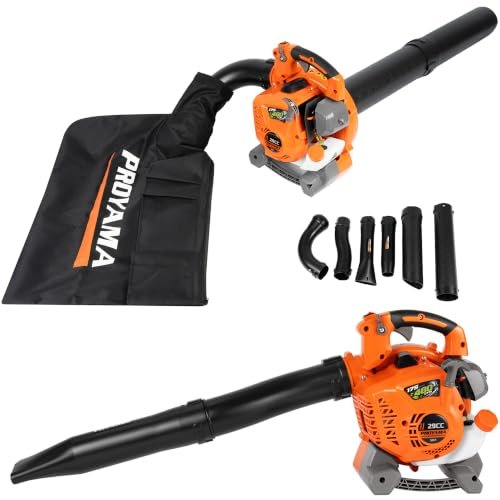 | 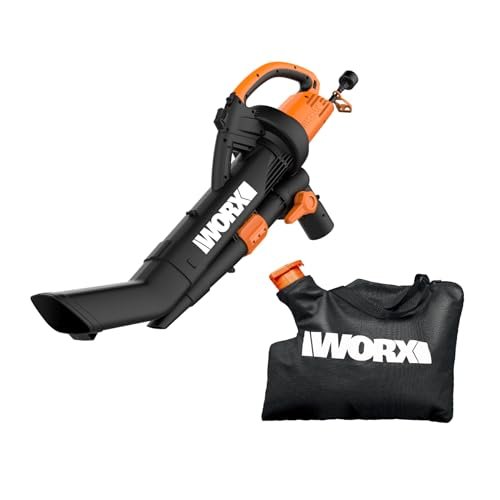 |
| Price | View On Amazon | View On Amazon |
| Category | Mid-Range Gas Leaf Blower | Budget/Mid-Range Corded Electric |
| Power Source & Motor | 29CC 2-Cycle Gas Engine (1.2 HP, 50:1 Pre-mix) | 12 Amp Corded Electric Motor |
| Airflow & Speed | 480 CFM at 175 MPH | 350 CFM at 210 MPH |
| Mulching Ratio | Up to 10:1 reduction | Up to 18:1 reduction |
| Mode Conversion | Tool-free interchangeable tubes & nozzles | Tool-free instant mode switch (flip of a lever) |
| Collection Bag Capacity | 10-Gallon Bag | 42-Liter (~11 Gallon) Bag |
| Speed Control | Auto-lock cruise control throttle | Variable-speed control switch |
| Weight & Mobility | 12.3 lbs, unlimited range (gas powered) | 9.3 lbs, limited range (requires extension cord) |
| Best For | Large yards, wet leaves, and cordless freedom | Medium yards, easy maintenance, and heavy mulching |
| Amazon Link | View On Amazon | View On Amazon |
| Overall Winner | Runner-up (Best for Mobility & Raw CFM) | Winner (Best for Ease of Use, Mulching & Value) |
PROYAMA 29CC Gas Powered Handheld Leaf Blower, 3-in-1 Vacuum & Mulcher Kit
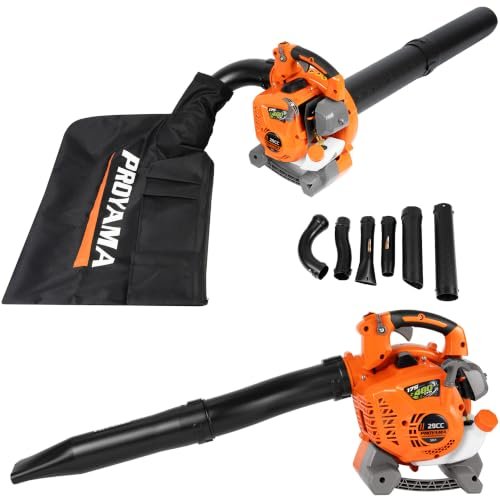
When I first fired up the PROYAMA 29CC Gas Powered Handheld Leaf Blower, I immediately noticed the substantial raw power of its high-power 29CC 2-cycle engine. This machine generates an impressive 480 CFM at 175 MPH, making quick work of wet, heavy leaf piles. Handling the tool is made easier with the ergonomic cruise control auto-lock handle, which saves your fingers from constant trigger squeezing. The 3-in-1 blower, vacuum, and mulcher function operates without requiring any extra tool conversions, allowing quick transitions on the fly. I appreciated the dual interchangeable nozzles that let me swap between focused air streams for tight spaces and wide sweeps for open lawns. Maintenance is straightforward thanks to the quick-access air filter cover and accessible spark plug, though you do have to mix gas and oil at a 50:1 ratio.
- Powerful 29CC 2-Cycle Gas Engine: Delivers 1.2 HP at 7,500 RPM, pushing out 480 CFM of air volume at 175 MPH.
- Cruise Control Throttle Lever: Locks the speed in place to reduce hand muscle fatigue during long cleanup jobs.
- Tool-Free 3-in-1 System: Switches between blowing, vacuuming, and mulching, shredding leaves up to a 10:1 ratio into a 10-gallon collection bag.
- Dual Interchangeable Nozzles: Includes a flat nozzle for targeted scraping and a round tube for wide area clearing.
Service-Friendly Design: Features quick-access covers for the air filter and spark plug, with a padded shoulder strap to manage the 12.3 lb weight.
Excellent mobile freedom with no power cords to restrict your movement.
- High air volume (480 CFM) clears wet and heavy debris efficiently.
Cruise control handle significantly reduces finger fatigue.
Requires mixing 2-cycle oil and gas fuel consistently.
- Heavier than electric alternatives at over 12 pounds.
- Gas engines require more winterization and maintenance.
Best for: Homeowners with medium to large yards, long driveways, or wooded properties where power outlets are out of reach.
Expert Opinion: The PROYAMA 29CC is a highly capable machine for users who value unrestricted mobility and heavy-duty air volume, provided they do not mind basic small-engine maintenance.
WORX Trivac 3-in-1 Electric Leaf Blower/Leaf Vacuum/Leaf Mulcher, WG509
Using the WORX Trivac WG509 Electric Leaf Blower is a completely different experience because it starts instantly with the pull of a trigger. This corded tool features a 12 Amp motor that produces a concentrated 350 CFM at 210 MPH, giving it plenty of force to lift stubborn, damp leaves off hard surfaces. Its standout feature is the incredible 18:1 mulch ratio, which uses a metal impeller to shred dry leaves into fine compost material. You can switch between functions instantly with the flip of a single lever, eliminating any need for tube swapping. The variable-speed control allows you to turn down the airflow when working around delicate garden beds or crank it up for thick piles. Because it relies on corded continuous power, you never have to worry about charging batteries or mixing messy fuels.
- 12 Amp Electric Motor: Offers constant, fade-free power with a simple plug-in design.
- High-Velocity Airflow: Delivers 210 MPH wind speed and 350 CFM air volume for scraping and blowing.
- Metal Impeller with 18:1 Mulch Ratio: Shreds leaves into extremely fine mulch, allowing more debris to fit into the collection bag.
- One-Touch Mode Switching: Uses a single lever to change from blowing to vacuuming modes instantly without changing tubes.
Variable-Speed Dial: Adjusts wind speeds to handle delicate garden beds as well as heavy driveway clearing.
Starts instantly every time without oil, gas, or battery charging.
- Outstanding 18:1 mulching ratio reduces bag trips to the compost pile.
Extremely easy to switch between vacuum and blower modes with a simple lever.
Limited range due to the necessity of an outdoor extension cord.
- Lower air volume (CFM) compared to the gas model, making wide-lawn sweeping slower.
Best for: Small to medium yards with accessible outdoor outlets, patios, and decks where fine mulching is a priority.
Expert Opinion: The WORX WG509 is the ultimate hassle-free option for suburban yards, offering superior mulching performance and instant starts without the headache of gas engine maintenance.
leaf vacuum gas vs electric: Key Differences That Matter
Performance Comparison
Gas models generally offer higher CFM (cubic feet per minute), which means they move a wider volume of leaves at once. The PROYAMA gas vacuum pushes out 480 CFM, allowing me to clear large lawn areas quickly. On the other hand, the WORX electric model provides higher wind velocity at 210 MPH, which is great for peeling wet leaves off concrete, but its 350 CFM means the sweeping path is narrower. When it comes to vacuuming and mulching, the electric WORX takes the lead with its metal impeller. It shreds leaves down to an 18:1 ratio, whereas the gas model manages a 10:1 ratio. This means you will stop to empty the bag far less often with the electric option.
Price and Value Analysis
Upfront costs for a corded electric unit are typically lower than a gas unit. You also save money over time because you do not need to purchase 2-cycle oil, fresh gasoline, or replacement spark plugs. However, you must factor in the cost of a high-quality, heavy-duty extension cord if you do not already own one. Gas models cost more initially, but they offer complete independence from power outlets, which can save you from buying multiple long cords.
Build Quality Comparison
Gas engines are naturally heavier and built with metal crankcases and sturdy components to withstand high combustion temperatures. The PROYAMA feels solid, but it has more moving parts that can wear out over time, such as fuel lines, pull cords, and carburetors. Engineered with hard molded plastics, the WORX electric vacuum is lighter and simpler. It has fewer mechanical parts to fail, and its internal metal impeller is highly durable against small twigs and acorns that might choke a plastic blade.
User Experience Differences
Operating these two machines feels entirely different in the yard. With the gas unit, you have to pull-start the engine, wear hearing protection, and handle the smell of exhaust fumes. It weighs over 12 pounds, which can tire your arms during long sessions, though the cruise control and shoulder strap help manage the load. The electric WORX starts with a simple button press and runs much quieter. It is lighter, but you are constantly managing a trailing extension cord, which can get snagged on trees, bushes, and patio furniture.
Which Should You Choose?
Choosing between a leaf vacuum gas model and a leaf vacuum electric model depends on your property layout. If you have a large yard, dense trees, or areas far from the house, the PROYAMA gas model is the obvious choice. You can walk anywhere without worrying about a cord tangling in the bushes.
If your yard is under half an acre and you have accessible outdoor outlets, the WORX electric model is much more convenient. It is perfect for cleaning up decks, patios, and short driveways without the noise, weight, and maintenance of a gas engine. The superior mulching ratio is also a massive timesaver if you plan to compost your yard waste.
Ultimately, your choice comes down to a trade-off between mobility and convenience. The PROYAMA gas vacuum offers the raw sweeping power and unrestricted movement needed for larger properties. However, for most typical suburban yards, the WORX electric vacuum provides a quieter, cleaner, and more user-friendly experience with superior mulching capabilities that make seasonal cleanup a breeze.
Frequently Asked Questions
Q: Which is more powerful in the leaf vacuum gas vs electric debate?
A: Gas leaf vacuums generally offer higher air volume (CFM), which makes them better for moving large piles of heavy, wet leaves over open grassy areas. Electric leaf vacuums often have higher wind speed (MPH) but lower air volume, making them great for sweeping hard surfaces like driveways.
Q: Do I need to mix fuel for the PROYAMA gas leaf vacuum?
A: Yes, the PROYAMA features a 2-cycle engine that requires a precise 50:1 ratio mix of unleaded gasoline and high-quality 2-cycle engine oil.
Q: How does the mulching ratio compare between leaf vacuum gas vs electric models?
A: Electric models like the WORX WG509 often feature metal impellers that can shred leaves down to an 18:1 ratio. Gas models typically offer a lower mulching ratio, such as 10:1, meaning you will have to empty the collection bag more frequently.
Q: Can I use the WORX electric leaf vacuum in wet conditions?
A: You should avoid using any corded electric outdoor tools in wet conditions or heavy rain due to the risk of electrical shock. Wait for the lawn and leaves to dry out before operating.
Q: Which leaf vacuum is easier to maintain over time?
A: The electric model is much easier to maintain because it does not require fuel mixing, spark plug changes, air filter cleanings, or winterization. You simply clean out the debris tube and store it away.
Q: Is a gas leaf vacuum much heavier than an electric one?
A: Yes, gas models are significantly heavier due to the weight of the engine and fuel tank. The PROYAMA gas vacuum weighs over 12 pounds, whereas corded electric models are usually lighter and easier to maneuver.
Q: What size extension cord do I need for the WORX WG509?
A: You should use a high-quality, outdoor-rated 12-gauge or 14-gauge extension cord depending on the length. Avoid using cords longer than 100 feet to prevent voltage drop and motor damage.
As an Amazon Associate, We earn from qualifying purchases