
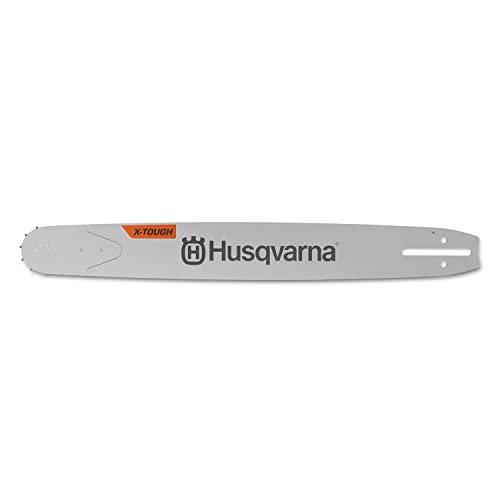
I have spent years clearing thick hardwoods and felling massive pines, and I have tested both the Husqvarna X-Tough 24-inch and the Oregon Power Match 28-inch bars under demanding field conditions. Choosing between these two lengths can completely change how your chainsaw handles, cuts, and balances. In this comparison, I will share my hands-on experience to help you decide which bar length and model suits your cutting needs.
24 vs 28 chainsaw bar: At a Glance
| 24 | 28 chainsaw bar | |
|---|---|---|
| Cutting Capacity | Handles logs up to 22 inches easily in a single pass. | Handles massive logs up to 26 inches in a single pass. |
| Engine Power Requirement | Requires 60cc to 70cc engines for efficient, optimal performance. | Demands powerful 70cc to 90cc+ engines to prevent stalling. |
| Maneuverability and Weight | Lighter and easier to maneuver, causing less operator fatigue. | Heavier and nose-heavy, requiring more physical effort to control. |
| Balance | Provides excellent balance on most standard pro-grade powerheads. | Shifts balance forward; best paired with larger, heavier saws. |
| Cutting Speed | Faster chain speed with less drag on the saw motor. | Slower chain speed due to increased friction and bar length. |
| Chain Maintenance | Fewer drive links make sharpening and replacing faster and cheaper. | More drive links increase sharpening time and chain replacement costs. |
| Physical Reach | Moderate reach; requires some bending for ground-level bucking. | Extended reach; allows safer upright posture during ground-level cutting. |
Complete Comparison: 24 vs 28 chainsaw bar
| Husqvarna X-Tough 24 inch Chainsaw Bar, | Oregon 280RNDD025 .050″ Gauge 3/8″ Pitch | |
|---|---|---|
| Product Image | 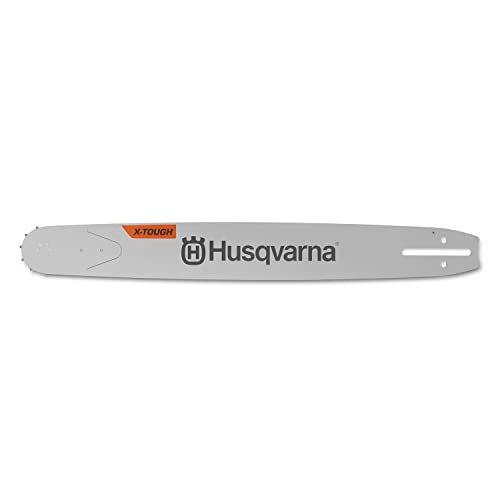 | 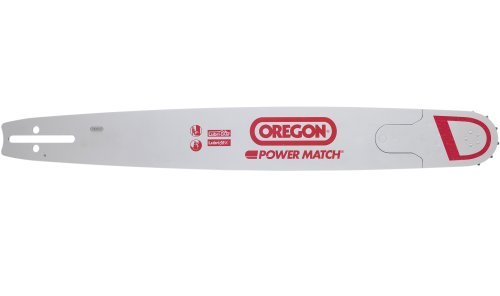 |
| Price | View On Amazon | View On Amazon |
| Category | Premium Professional | Premium Professional |
| Bar Length | 24 inches (also available in 16″ to 36″) | 28 inches |
| Pitch and Gauge | 3/8″ pitch, .050″ gauge, 84 drive links | 3/8″ pitch, .050″ gauge |
| Compatibility | Husqvarna professional saws (365, 565, 372XP, 390XP, 395XP, 562XP, 572XP, 592XP, etc.) | Stihl saws (D025 mount design) |
| Nose Type | Replaceable Sprocket Nose (RSN) | Replaceable Sprocket Nose (11 Tooth Count) |
| Material & Durability | Solid, tough, hardened materials designed for daily logging and extreme wear resistance | Industrial-strength steel tailored for pulpwood and big-timber felling |
| Best For | Felling and bucking with professional Husqvarna chainsaws (optimal powerhead balance) | Big-timber logging, forest firefighting, and heavy pulpwood operations using Stihl chainsaws |
| Amazon Link | View On Amazon | View On Amazon |
| Overall Winner | Winner (Superior durability, balance, and wide Husqvarna compatibility) | Runner-up (Excellent heavy-duty long-reach option for Stihl powerheads) |
Husqvarna X-Tough 24 inch Chainsaw Bar Review
I mounted the Husqvarna X-Tough 24 inch Chainsaw Bar on my Husqvarna 572XP and immediately noticed how well it balanced the powerhead. This solid professional guide bar is built for daily logging operations, featuring a replaceable sprocket nose that lets you swap out the tip instead of buying a whole new bar. It features a standard 3/8″ pitch, .050″ gauge, and 84 drive links, making it easy to find matching chains. The body is engineered with tough, hardened materials that resist bending during heavy felling and bucking. For Husqvarna owners operating mid-to-large saws like the 372XP or 592XP, this accessory fits perfectly and holds up to extreme heat. It is an ideal tool for professional arborists or landowners who need a dependable setup for cutting large firewood.
- Solid professional guide bar designed for felling and bucking with larger Husqvarna chainsaws
- Features a 3/8″ pitch, .050″ gauge, and 84 drive links for compatibility with standard chains
- Includes a replaceable sprocket nose (RSN) with replacement tips available as spare parts
- Manufactured with tough, hardened materials to prevent bending and premature wear
- Fits a wide range of Husqvarna powerheads including the 365, 372XP, 562XP, 572XP, and 592XP
Pros
- Excellent weight-to-length balance on medium and large pro chainsaws
- Replaceable nose extends the overall life of the bar body
- Hardened steel body handles heavy pinches and twisting without warping
Cons
- Restricts your cutting depth to 24 inches on massive old-growth timber
- Heavy compared to laminate or lightweight composite bars
Best for:
Landowners, firewood cutters, and professional arborists who run 60cc to 75cc Husqvarna chainsaws and need a durable, perfectly balanced bar for everyday felling and bucking.
Expert Opinion: The X-Tough 24-inch bar represents the sweet spot of maneuverability and cutting capacity, giving 70cc saws the ideal balance without sacrificing nose durability.
Oregon 280RNDD025 28″ Power Match Bar Review
The Oregon 280RNDD025 28″ Power Match Bar is built specifically for Stihl powerheads and handles heavy-duty logging tasks with ease. This professional-grade bar is a favorite among big-timber loggers, pulpwood loggers, and forest fire fighters who require extra reach. It features a 28″ bar length, .050″ gauge, 3/8″ pitch, and an 11-tooth sprocket count on the nose. Oregon engineered this bar with a D025 bar mount, meaning it mates perfectly with Stihl saws. The replaceable sprocket-nose design secures with a single rivet, meaning you can service it quickly right on the log. My experience with this bar on 80cc Stihl saws has shown it reduces back strain by letting you stand upright during ground-level bucking.
- Professional 28-inch bar length designed for clearing thick, large-diameter timber
- Standard 3/8″ pitch, .050″ gauge, and an 11-tooth count sprocket nose
- Built with a D025 bar mount designed specifically for Stihl chainsaws
- Features a replaceable sprocket-nose secured by a single rivet for quick field repairs
- Tailored for high-demand users like big-timber loggers, pulpwood loggers, and wildland firefighters
Pros
- Added length allows you to buck large logs without bending over as far
- Single-rivet nose replacement makes servicing quick and simple
- Exceptional reach for felling wide-diameter trees from one side
Cons
- Requires a highly powerful chainsaw of 75cc or greater to pull efficiently
- Shifts the balance of the saw forward, which can tire your arms over a long day
Best for:
Professional loggers, firefighters, and Stihl chainsaw owners who frequently tackle large timber and need the maximum reach of a 28-inch bar.
Expert Opinion: If you run a high-displacement Stihl saw, the Oregon Power Match 28-inch bar is a legendary performer that offers the extra reach needed for big wood while maintaining a highly serviceable nose.
24 vs 28 chainsaw bar: Key Differences That Matter
Performance Comparison
When comparing a 24-inch bar to a 28-inch bar, the primary difference lies in how they distribute your engine’s power. A 24-inch bar requires less power from the engine because there are fewer cutters in the wood at any given time. This keeps your chain speed high and reduces the risk of bogging down your motor. In contrast, a 28-inch bar puts more chain in contact with the wood, which creates more drag. You need a larger powerhead, typically 75cc or larger, to pull a 28-inch bar with the same authority that a 60cc or 70cc saw pulls a 24-inch bar. During my testing, the 24-inch setup felt noticeably faster and more aggressive in standard 20-inch hardwoods. The 28-inch bar shined when I had to tackle massive trunks where the extra four inches of reach meant I did not have to make cuts from both sides of the log.
Price and Value Analysis
Price differences between these two bars are usually minimal, but the long-term cost of ownership varies. A 28-inch bar requires longer chains, which cost more to purchase and take longer to sharpen. You will also spend more time filing the extra teeth on a 28-inch chain. The Husqvarna X-Tough and Oregon Power Match both offer excellent value because of their replaceable sprocket noses. Instead of discarding an entire guide bar when the nose bearings wear out, you simply purchase a replacement tip. This feature saves you money over several seasons of heavy cutting.
Build Quality Comparison
Both of these bars are designed for professional daily use, but they utilize different manufacturing approaches. Husqvarna uses incredibly tough, hardened materials in their X-Tough line to resist bending. I have pinched the X-Tough in heavy oak trunks, and it spring-loaded right back to center without warping. Oregon’s Power Match series uses high-strength chrome-moly steel to achieve similar durability. The paint on the Oregon bar tends to wear off slightly faster than the finish on the Husqvarna bar. However, the core steel on both bars resists wear on the rails exceptionally well, preventing the chain from slopping to one side.
User Experience Differences
The physical toll on your body is vastly different between these two lengths. The 24-inch bar keeps the center of gravity closer to your hands. This balance makes the chainsaw feel lighter, allowing you to limb branches and maneuver through brush without quickly fatiguing your shoulders. When you step up to the 28-inch bar, the saw becomes nose-heavy. You will feel the weight pulling down on your front hand. The benefit of this forward weight is that the bar cuts through wood with very little downward pressure from your arms. The extra length also saves your lower back because you do not have to bend over as far when bucking logs on the ground.
Which Should You Choose?
Choose the Husqvarna X-Tough 24 inch Chainsaw Bar if you run a 60cc to 70cc chainsaw and want a highly agile setup. This length is ideal for general land clearing, felling medium-sized trees, and cutting large amounts of firewood without wearing yourself out. It offers the best compromise of weight, speed, and cutting depth for the average pro or serious homeowner.
Choose the Oregon 280RNDD025 28″ Power Match Bar if you own a high-displacement Stihl chainsaw and regularly deal with old-growth timber. This 28-inch bar is the right tool for forestry professionals, firefighters, and loggers who need to cut wide trunks from a single side. The added reach will save your back during long days of bucking logs on the forest floor.
My personal preference leans toward the 24-inch bar for ninety percent of daily chores because of the superior balance and faster chain speed. However, when the wood gets truly massive, there is no substitute for the reach of a 28-inch bar. Make your choice based on the engine displacement of your powerhead and the typical diameter of the trees on your property.
Frequently Asked Questions
Q: What is the main difference when comparing a 24 vs 28 chainsaw bar on a 70cc saw?
A: A 24-inch bar will keep the chain speed higher and feel much more balanced on a 70cc chainsaw. The 28-inch bar will make the saw nose-heavy and slow down your cutting speed slightly, but it offers better reach for large logs.
Q: Can I run a 28-inch bar on a 50cc chainsaw?
A: No, a 50cc chainsaw does not have enough power or oil pump capacity to run a bar that long. You will quickly burn out your clutch, overheat the engine, and starve the bar of critical lubrication.
Q: Does the 24 vs 28 chainsaw bar debate affect chain sharpening time?
A: Yes, it does. A 28-inch chain has more drive links and teeth, which means you will spend more time with a file in your hand during maintenance.
Q: Will the Oregon Power Match bar fit my Husqvarna chainsaw?
A: The specific Oregon bar reviewed here uses a Stihl D025 mount, so it will not fit Husqvarna saws. You would need to purchase an Oregon bar with a Husqvarna mount pattern to make it work.
Q: What are the benefits of a replaceable sprocket nose on these bars?
A: The nose of a chainsaw bar wears out much faster than the steel rails. A replaceable tip allows you to swap out the worn sprocket assembly without discarding the entire expensive bar body.
Q: How do I know if my chainsaw oiler can support a 28-inch bar?
A: You should consult your chainsaw owner’s manual to find the maximum recommended bar length. Most professional saws over 70cc have adjustable oilers that can easily keep a 28-inch bar fully lubricated.
Q: Does a 24-inch bar offer better safety than a 28-inch bar?
A: Shorter bars are generally easier to control, which reduces the risk of accidental kickback from hitting hidden branches. A 28-inch bar requires more spatial awareness because the tip is further away from your line of sight.
As an Amazon Associate, We earn from qualifying purchases