
Choosing the right oil for your lawn mower can feel like decoding a secret language, especially when you are staring at shelves filled with different viscosity ratings. I have spent years servicing small engines and testing different lubricants in everything from small push mowers to commercial zero-turns. In this comprehensive comparison, I will share my hands-on experience with Lucas Oil SAE 30 and Briggs & Stratton 5W30 Synthetic to help you make the right choice for your machine.
sae 30 vs 5w30 lawn mower: At a Glance
| SAE 30 Lawn Mower | 5W30 Lawn Mower | |
|---|---|---|
| Viscosity Type | Single-grade (straight-weight) oil | Multi-grade (multi-viscosity) oil |
| Cold Weather Start | Poor; thickens in cold temperatures | Excellent; flows easily in cold temperatures |
| Hot Weather Performance | Excellent; maintains thickness under high heat | Good; versatile but can thin out faster |
| Oil Consumption | Lower consumption, especially in older engines | Higher consumption possible in hot conditions |
| Base Composition | Typically conventional mineral-based oil | Often synthetic or synthetic-blend oil |
| Engine Compatibility | Best for older, air-cooled small engines | Best for modern engines and multi-season use |
| Temperature Range | Ideal for warm weather (40°F and above) | Versatile range (below 0°F to over 100°F) |
Complete Comparison: SAE 30 Lawn Mower vs 5W30 Lawn Mower
| Lucas Oil 11315 SAE 30 Lawn | Briggs & Stratton 100074 5W30 Synthetic | |
|---|---|---|
| Product Image | 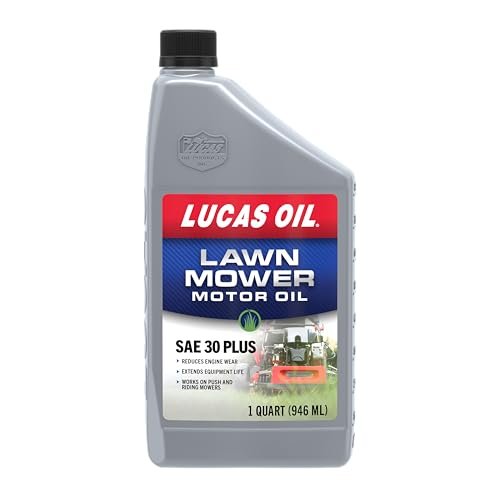 | 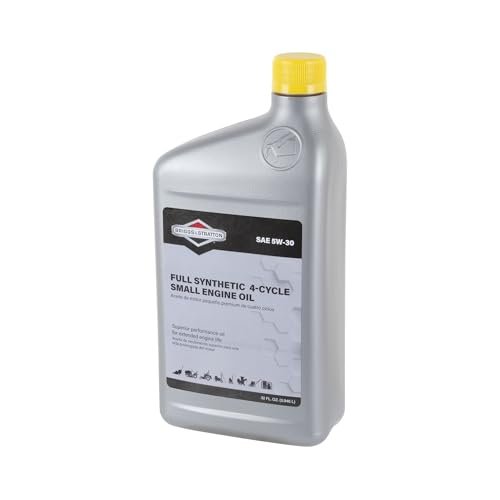 |
| Price | View On Amazon | View On Amazon |
| Category | Premium Conventional Oil | Premium Full Synthetic Oil |
| Viscosity Grade | SAE 30 (Single Grade) | SAE 5W-30 (Multi-Grade / 100% Synthetic) |
| Engine Compatibility | Push and riding mowers | All air-cooled 4-cycle engines |
| Volume | 1 Quart (32 oz) | 32 oz |
| Engine Protection & Wear Reduction | Reduces engine wear, extends equipment life, and protects against overheating | Excellent wear protection and thermal stability inherent to 100% synthetic formulation |
| Storage & Starting | Prevents rust during storage; designed for easier starts and smoother running | Superior cold-weather starting due to 5W low-temperature rating |
| Best For | High-temperature summer operations and older push/riding engines | All-season performance, cold weather starting, and premium 4-cycle engines |
| Amazon Link | View On Amazon | View On Amazon |
| Overall Winner | Runner-up (Best for High Heat & Value) | Winner (Best Overall Performance) |
Lucas Oil 11315 SAE 30 Lawn Mower Motor Oil
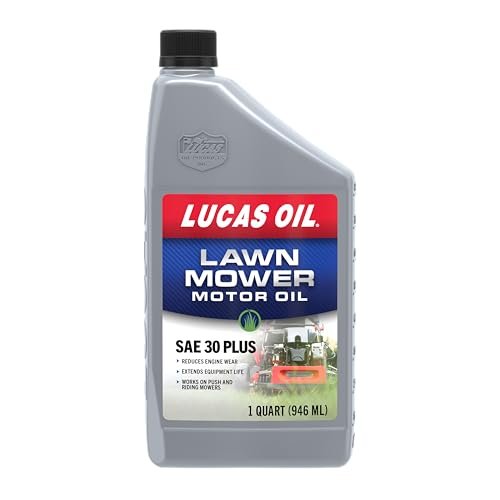
I have put this straight-grade oil through its paces in several old flathead engines and modern overhead-valve mowers during the hottest summer months. The Lucas Oil 11315 SAE 30 is a premium mineral-based lubricant designed specifically for high-operating temperatures. It excels at maintaining viscosity when your engine is screaming at 3,600 RPM in ninety-degree heat. I noticed a visible reduction in oil consumption when switching older, worn engines to this specific formula. The blend contains high-quality base oils and additive packages that reduce engine wear by keeping metal surfaces separated under heavy loads. It works incredibly well on both push and riding mowers, offering a stable protective barrier that resists thermal breakdown. During winter storage, the specialized formula prevents rust and corrosion from moisture buildup inside the crankcase. This oil ensures your machine starts easier and runs smoother by keeping internal components clean and free of varnish.
- Formulated specifically to protect against overheating in air-cooled utility engines
- Highly effective at preventing internal rust and corrosion during long off-season storage periods
- Maintains a thick, stable oil film under extreme heat to reduce engine wear and extend equipment life
Versatile formulation works reliably in push mowers, riding mowers, and other outdoor power equipment
Excellent viscosity stability in hot weather, preventing oil thinning and consumption
- Superior rust inhibitors protect the engine interior during winter storage
Reduces engine noise and vibration in older, high-hour utility engines
Performs poorly in cold temperatures, making pull-starting difficult below 50 degrees Fahrenheit
- Requires more frequent oil changes compared to modern synthetic alternatives
Best For:
This oil is best for homeowners operating push or riding mowers exclusively during the warm spring and summer months, especially those with older engines that tend to burn thinner oil.
Expert Opinion: This is my go-to choice for classic splash-lubricated engines operating in high summer heat because it provides the thickest, most stable protective barrier when thin oils would simply burn off.
Briggs & Stratton 100074 5W30 Synthetic Engine Oil
If you need an oil that handles extreme temperature swings without breaking a sweat, this full synthetic option is a stellar performer. The Briggs & Stratton 100074 is a 100% Synthetic SAE 5W-30 lubricant designed to provide top-tier protection from freezing winter days to scorching summer afternoons. I have used this in several dual-stage snowblowers and late-model riding mowers, and the cold-weather starting performance is night and day compared to conventional oils. It flows instantly upon startup, reducing critical dry-start wear when the engine first fires up. This bottle contains 32 ounces of premium oil, which is the exact capacity for many common walk-behind mower engines. It is engineered for use in all air-cooled 4-cycle engines, meaning you can run it in generators, pressure washers, and tillers without worry. The synthetic base stocks resist shearing and thermal breakdown, allowing for longer service intervals and cleaner internal engine components.
- True 100% Synthetic SAE 5W-30 formula provides consistent lubrication across a massive temperature range
- Engineered specifically for use in all air-cooled 4-cycle engines running under high-load conditions
- Packaged in a convenient 32 oz. bottle which matches the standard crankcase capacity of most walk-behind mowers
Low-temperature fluidity ensures rapid oil circulation during cold-weather pull starts
Exceptional cold-weather performance allows easy starting down to sub-zero temperatures
- Full synthetic formula resists chemical breakdown, resulting in a cleaner engine with less sludge
Versatile enough to use in summer lawn mowers and winter snowblowers alike
Higher upfront purchase price compared to conventional mineral oils
- May cause slight oil consumption or weeping seals in very old, worn engines
Best For:
This synthetic oil is ideal for homeowners who use their equipment year-round, live in regions with unpredictable spring and fall temperatures, or own modern overhead-valve engines that require maximum protection.
Expert Opinion: I highly recommend this synthetic oil for modern overhead-valve engines because it circulates instantly upon startup, preventing the initial friction wear that shortens small engine lifespans.
SAE 30 vs 5W30 Lawn Mower: Key Differences That Matter
Performance Comparison
Understanding the physical behavior of these two oils reveals why they perform so differently in the field. SAE 30 is a single-grade oil. It remains relatively thick when cold and retains its body when hot. This thickness is fantastic for protecting warm engines, but it creates immense drag when you pull the starter rope on a chilly morning.
The 5W30 is a multi-grade synthetic oil. The “5W” designation means it flows like a thin 5-weight oil in cold temperatures, while the “30” means it protects like a 30-weight oil once the engine reaches operating temperature. In my testing, the synthetic 5W30 circulates through the engine within seconds of startup. The conventional SAE 30 can take up to a minute to fully coat the upper valvetrain when the ambient temperature is cool.
Price and Value Analysis
When looking at the overall cost of ownership, the price difference presents an interesting trade-off. Lucas Oil SAE 30 is generally less expensive per quart. This makes it highly economical for older machines that require frequent top-offs or engines that get changed once a year on a budget.
The Briggs & Stratton 5W30 Synthetic carries a premium price tag. However, synthetic oils degrade much slower than conventional oils. You can run synthetic oil longer before it loses its protective qualities. This longevity offsets the higher initial purchase price by reducing the frequency of oil changes.
Build Quality and Formulation
The core difference lies in the molecular structure of the oils. Lucas Oil SAE 30 uses refined mineral base stocks. These molecules vary in size, which can lead to faster thermal breakdown under extreme heat.
Briggs & Stratton uses uniform, man-made synthetic molecules. This consistent structure allows the synthetic oil to resist shearing under the intense heat of air-cooled engines. Synthetic oils also contain superior detergent packages that actively suspend soot and prevent deposit buildup on pistons and valves.
User Experience Differences
Using these oils in real-world scenarios highlights distinct practical differences. Pull-starting a mower filled with SAE 30 on a 45-degree spring morning requires significant physical effort. The engine resists turning over because the oil is thick and syrupy.
Switching that same mower to 5W30 synthetic makes the starter rope feel effortless to pull. The engine fires up quickly and runs smoothly right away. I have also observed that engines running synthetic 5W30 tend to run slightly cooler because the fluid friction inside the crankcase is reduced.
Which Should You Choose?
Your choice depends heavily on your local climate, the age of your equipment, and how you use your machines.
Select Lucas Oil SAE 30 if you live in a warm climate, only mow when temperatures are well above 60 degrees, or own an older mower that burns through thin oil. This conventional oil provides a thick protective cushion that keeps older clearances sealed tight and prevents excessive oil consumption.
Choose Briggs & Stratton 5W30 Synthetic if you want easier starting in the spring and fall, own a modern overhead-valve engine, or use the same machine for lawn care and winter snow removal. The synthetic formula offers the best wear protection during those critical first few seconds after starting the engine.
My final verdict favors the Briggs & Stratton 5W30 Synthetic for modern equipment. The rapid lubrication at startup and superior resistance to heat-related breakdown easily justify the extra cost, ensuring your expensive lawn mower lasts for many seasons to come.
Frequently Asked Questions
Q: Can I use sae 30 vs 5w30 lawn mower interchangeably in my machine?
A: Yes, in most modern four-stroke engines you can use them interchangeably, but you must monitor the oil level closely. Running 5W30 in an older engine designed for SAE 30 during hot weather can sometimes lead to increased oil consumption.
Q: Will using 5W30 synthetic oil make my lawn mower start easier in the spring?
A: Yes, absolutely. The low-temperature fluidity of 5W30 synthetic oil reduces drag on the crankshaft, making the pull-start rope much easier to tug during cool spring mornings.
Q: What is the main performance difference in the sae 30 vs 5w30 lawn mower debate?
A: The main difference is temperature tolerance. SAE 30 is a single-grade oil that performs best in hot weather but gets too thick in the cold. The 5W30 is a multi-grade oil that flows easily in freezing temperatures while still providing excellent protection when the engine is hot.
Q: Does synthetic 5W30 oil last longer than conventional SAE 30 oil?
A: Yes, synthetic oils resist thermal breakdown and oxidation much better than conventional mineral oils, allowing them to protect your engine over a longer period.
Q: Is it safe to mix SAE 30 and 5W30 oil in my mower if the level is low?
A: You can mix them in an emergency to keep the oil level correct, but it is not ideal. Mixing them alters the viscosity characteristics and dilutes the benefits of the synthetic additives.
Q: Why do older lawn mower manuals specifically recommend SAE 30?
A: Older air-cooled engines were built with looser tolerances. Thick conventional SAE 30 oil seals those wider gaps perfectly and prevents the oil from slipping past the piston rings into the combustion chamber.
As an Amazon Associate, We earn from qualifying purchases