
If you are tired of dealing with messy gas, pull cords, and loud engines, you have likely narrowed your cordless mower search down to two major players. In my years of testing lawn care gear, I have spent countless hours pushing both of these brands across various grass types. In this comparison, I will break down how the Ryobi 40V Whisper Series and the Greenworks 40V Twin Blade mower perform in the real world so you can make the right choice for your yard.
ryobi mower vs greenworks: At a Glance
| Ryobi Lawn Mower | Greenworks Lawn Mower | |
|---|---|---|
| Battery Platform | Massive 40V and 80V ecosystem sharing batteries with numerous DIY tools. | Extensive voltage options (24V, 40V, 60V, 80V) dedicated to lawn care. |
| Noise Level | Extremely quiet operation, especially within their specialized Whisper Series models. | Very quiet performance, though slightly more standard electric motor hum. |
| Cutting Deck Options | Primarily durable plastic composite decks designed for lightweight maneuverability. | Offers a wide selection of both lightweight plastic and heavy-duty steel decks. |
| Blade Technology | Typically utilizes efficient single-blade systems optimized for battery conservation. | Frequently features innovative dual-blade designs for superior mulching and bagging. |
| Brand Eco-System | Best for homeowners wanting one battery for both lawn care and power tools. | Best for yard enthusiasts seeking highly specialized, outdoor-only power equipment. |
| Maneuverability | Lightweight builds with ergonomic handles, making them very easy to turn. | Balanced weight distribution, with excellent self-propelled options for sloped yards. |
| Storage and Portability | Features telescoping, quick-fold handles for compact vertical storage in tight spaces. | Simple folding handles designed for easy trunk loading and space-saving storage. |
Complete Comparison: Ryobi Lawn Mower vs Greenworks Lawn Mower
| Ryobi Cordless Push Lawn Mower 20 | Greenworks 40V 20″ Twin Blade Mower, | |
|---|---|---|
| Product Image | 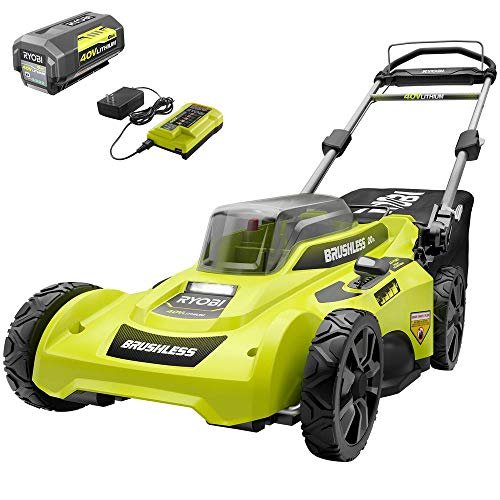 | 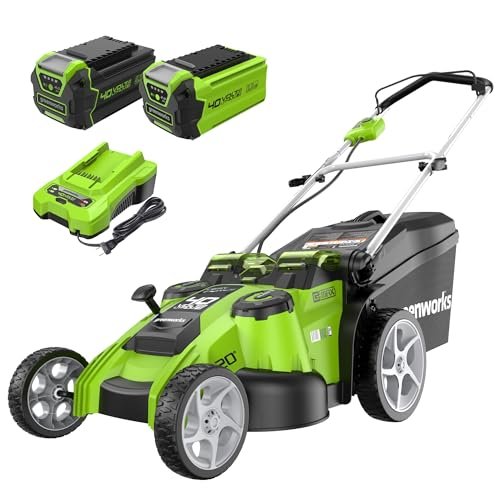 |
| Price | View On Amazon | View On Amazon |
| Category | Premium Quiet Performance | Mid-Range Dual Blade |
| Cutting Width | 20 inches | 20 inches |
| Power & Voltage | 40-Volt Lithium-Ion | 40-Volt (4.0Ah + 2.0Ah dual batteries included) |
| Blade Technology | Single blade optimized for quiet operation | Twin blades for superior cutting, mulching, and bagging |
| Noise Level | Whisper-Quiet Design (Significantly reduced operating noise) | Standard quiet electric operation |
| Runtime & Battery Management | Single battery port (Standard runtime) | Up to 45 minutes of runtime with Dual Battery Ports & Auto Switch |
| Smart Features | Manual height adjustment and standard motor control | Smart Cut Technology (automatically adjusts power based on grass thickness) |
| Best For | Noise-sensitive neighborhoods and standard suburban lawns | Small to medium yards (up to 1/2 acre) requiring maximum mulching and runtime efficiency |
| Amazon Link | View On Amazon | View On Amazon |
| Overall Winner | Runner-up | Winner |
Ryobi Cordless Push Lawn Mower 20 in. 40-Volt with Whisper-Quiet Design
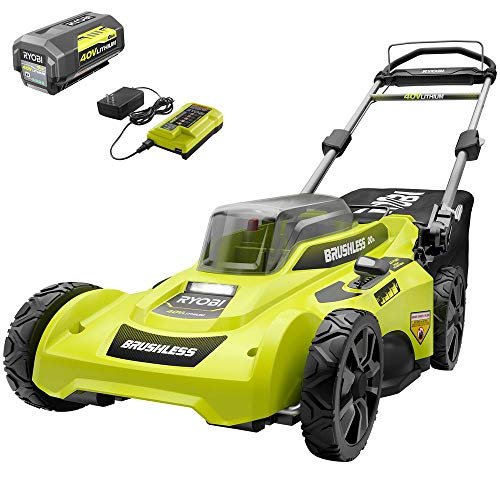
The Ryobi 40V 20-inch mower focuses heavily on reducing noise without sacrificing the muscle needed to cut thick grass. During my testing, the first thing I noticed was how incredibly quiet this machine runs compared to older cordless models. It features a sleek 20-inch deck that makes quick work of standard suburban lawns while remaining highly maneuverable around flower beds. The 40-Volt lithium-ion platform delivers consistent power that does not fade as the battery charge depletes. I appreciate the single-point height adjustment lever, which lets you change the cutting height of all four wheels simultaneously with one simple pull. When you finish the job, the handles fold down completely flat for compact vertical storage, saving valuable floor space in your garage.
- 40-Volt lithium-ion battery compatibility works with over 85 Ryobi 40V outdoor products
- Whisper-Quiet design engineered to emit minimal noise during operation
- 20-inch cutting deck balances fast cutting width with easy maneuvering
- Single-point height adjustment offers simple cutting height customization
- Easy fold handles allow for convenient vertical storage in tight spaces
Pros
- Exceptionally quiet operation is perfect for early morning mowing
- Vertical storage feature saves massive amounts of garage floor space
- Single lever height adjustment is smooth and requires very little effort
- Battery charges quickly and swaps easily with other Ryobi 40V tools
Cons
- Plastic deck construction feels less premium than steel alternatives
- Struggles slightly in very tall, wet grass if you push too fast
Best for:
Homeowners with small to medium yards who live in tight neighborhoods where noise is a major concern, and those who already own Ryobi 40V tools.
Expert Opinion: The Ryobi Whisper-Quiet mower is one of the most polite machines you can run on a Sunday morning. It excels at daily maintenance cuts and offers some of the best space-saving storage design on the market today.
Greenworks 40V 20″ Twin Blade Mower, 4.0Ah + 2.0Ah Battery
The Greenworks 40V Twin Blade mower takes a unique approach to grass cutting by utilizing two smaller blades instead of one large single blade. This dual-blade design creates excellent lift, resulting in superior mulching performance and incredibly clean cuts. Inside the box, you get both a 4.0Ah and a 2.0Ah battery, which give you up to 45 minutes of total runtime to tackle up to a half-acre yard. The automatic switchover port holds both batteries at once, instantly switching to the second battery when the first one drains. I love the Smart Cut technology, which automatically detects thick patches of grass and boosts blade speed to prevent stalling. It operates at a high 6000 RPM no-load speed, ensuring that even stubborn weeds get sliced clean rather than torn.
- Twin blade design delivers exceptional mulching quality and highly efficient bagging
- Dual battery ports with automatic switchover for extended, uninterrupted runtimes
- Smart Cut technology automatically senses grass thickness and adjusts power output
- 6000 RPM no-load speed provides high velocity for clean, precise cuts
- Lightweight 20-inch deck makes maneuvering around obstacles effortless
Pros
- Dual blades chop grass clippings into incredibly fine mulch
- Automatic battery switching prevents you from having to stop mid-mow to swap packs
- Smart Cut sensor preserves battery life by only drawing maximum power when needed
- Comes with two batteries right out of the box for excellent value
Cons
- Lacks a brushless motor which limits overall energy efficiency
- Dual blade replacement costs are higher than standard single blades
Best for:
People with bumpy, uneven yards who want pristine mulching capabilities and need the peace of mind that comes with dual-battery backup power.
Expert Opinion: The twin blade system on this Greenworks model is a standout feature for bagging and mulching enthusiasts. Having two batteries onboard with automatic switching takes the anxiety out of battery management completely.
Ryobi Mower vs Greenworks: Key Differences That Matter
Performance Comparison
When comparing the cutting performance of the ryobi mower vs greenworks, the blade configurations create two distinct experiences. The Greenworks twin-blade system is the clear winner for mulching. It chops grass into tiny, fine pieces that disappear quickly into your lawn. On the other hand, the Ryobi single-blade design offers incredible torque. While it might not mulch quite as finely as the Greenworks, the Ryobi handles tall, overgrown weeds with fewer clogs. Ryobi also wins the noise battle easily. It hums along at a pitch that won’t disturb your neighbors, whereas the Greenworks twin blades create a louder, high-velocity whirring sound due to the dual spinning shafts.
Price and Value Analysis
Value depends heavily on your current tool collection. Greenworks provides immense value upfront by including two batteries, a 4.0Ah and a 2.0Ah, in the box. This package gets you up and running on larger yards immediately without requiring extra purchases. Ryobi options can vary, but their 40V battery platform is massive. If you plan to buy a leaf blower, string trimmer, or chainsaw in the future, the Ryobi battery ecosystem is much larger and more mature than the Greenworks 40V lineup.
Build Quality Comparison
Both mowers rely heavily on plastic decks to keep weight down. This makes them rust-proof and easy to push, but they can feel a bit flexy on rough terrain. The Greenworks frame feels slightly more rigid when pushing up steep hills. Ryobi excels in the design of its moving parts. The folding hinges, handle locks, and height adjustment lever on the Ryobi feel more substantial and less prone to wearing out over years of seasonal storage.
User Experience Differences
In my hands-on testing, the user experience diverged most when it came to battery management and storage. With the Greenworks mower, you put both batteries in the deck, start mowing, and forget about them. The automatic switchover is seamless. With the Ryobi, you have to fold the mower up vertically when you are done. This vertical storage feature is a lifesaver for crowded sheds. Ryobi also has a more comfortable handlebar grip that reduces vibration transfer to your hands during long mowing sessions.
Which Should You Choose?
If you have a yard filled with trees, garden beds, and tight corners, you need a highly maneuverable machine. Homeowners with smaller properties under a quarter acre will appreciate the quiet operation and easy storage of the Ryobi 40-Volt Whisper-Quiet mower. It is the perfect fit if you want to keep your garage organized and value a peaceful mowing experience.
If your yard is closer to a half-acre, or if you prefer to mulch your clippings to feed your soil, the Greenworks 40V Twin Blade mower is the smarter purchase. The dual battery system ensures you can complete your entire yard without walkbacks to the charger.
My final verdict favors the Greenworks for pure cutting performance and battery value, while the Ryobi wins for overall comfort, storage convenience, and ecosystem longevity.
Frequently Asked Questions
Q: In the ryobi mower vs greenworks debate, which battery system lasts longer over time?
A: Both brands use high-quality lithium-ion cells, but the Ryobi 40V platform generally shows better long-term durability. Ryobi batteries also feature onboard LED fuel gauges that are easier to read while working.
Q: Can I use Ryobi batteries in a Greenworks mower?
A: No. The battery docks and electrical contact points are proprietary to each brand. You cannot interchange batteries or chargers between Ryobi and Greenworks.
Q: Is the twin-blade system on the Greenworks hard to maintain?
A: It is not difficult, but it does require more effort. You have to sharpen or replace two blades instead of one, which doubles your maintenance time and slightly increases your replacement part costs.
Q: Does the Ryobi Whisper-Quiet mower actually sound quieter than a gas mower?
A: Yes, by a massive margin. A standard gas mower runs at around 90 decibels, while the Ryobi Whisper series operates closer to 70 decibels. It sounds more like a large household fan than an engine.
Q: Which machine is better for bagging clippings?
A: The Greenworks twin-blade mower performs better at bagging. The dual blades generate more airflow, which helps pack the grass bag completely from back to front without clogging the chute.
Q: How do I store these mowers during the winter?
A: For both mowers, you should remove the batteries and store them in a climate-controlled space indoors. Clean the underside of the decks of any dried grass. The Ryobi can be folded flat and stored upright, while the Greenworks should be stored flat on its wheels unless you purchase a specific vertical-storage model.
Q: Does the ryobi mower vs greenworks comparison favor one brand for steep hills?
A: Both of these models are push mowers, meaning you provide the propulsion. Because the Greenworks is slightly lighter when running with only one battery, it can be easier to push up inclines. However, the Ryobi has slightly better wheel traction on damp slopes.
As an Amazon Associate, We earn from qualifying purchases