
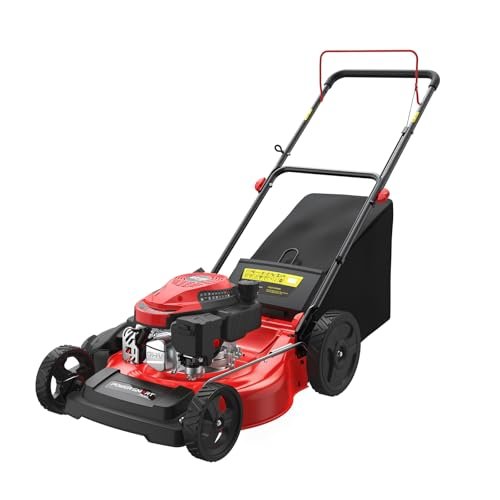
I have spent years maintaining different types of turf, testing everything from lightweight push reels to commercial-grade machines. In my experience, choosing the right mower comes down to how much physical effort you want to exert and the topography of your yard. Today, I am putting two closely related but functionally different machines from the same brand head-to-head to help you decide which configuration fits your weekly routine.
push lawn mower vs gas: At a Glance
| Push Lawn Mower | Gas-Powered Lawn Mower | |
|---|---|---|
| Power Source | Manual physical effort (human-powered push reel) or electric battery/cord. | Internal combustion engine fueled by gasoline. |
| Cutting Power | Lower power; relies on physical speed or standard electric motors. | High torque and power; easily cuts through tall, thick, or wet grass. |
| Maintenance Requirements | Very low; minimal cleaning and occasional blade sharpening required. | High; requires oil changes, spark plug replacements, and fresh fuel. |
| Physical Effort | High; requires constant manual pushing and guidance from the user. | Moderate to high; heavier to push unless equipped with self-propelled drive. |
| Noise & Emissions | Extremely quiet with zero direct emissions. | Loud operation with exhaust emissions produced during use. |
| Weight & Maneuverability | Lightweight and highly agile, making it easy to turn and store. | Significantly heavier due to the steel deck and heavy engine components. |
| Suitable Yard Size | Best for small, flat yards under one-quarter of an acre. | Ideal for medium to large yards, slopes, and dense terrain. |
Complete Comparison: Push Lawn Mower vs Gas-Powered Lawn Mower
| PowerSmart EasyGlide 21-Inch Gas Lawn Mower, | PowerSmart 21″ Self-Propelled Gas Lawn Mower | |
|---|---|---|
| Product Image | 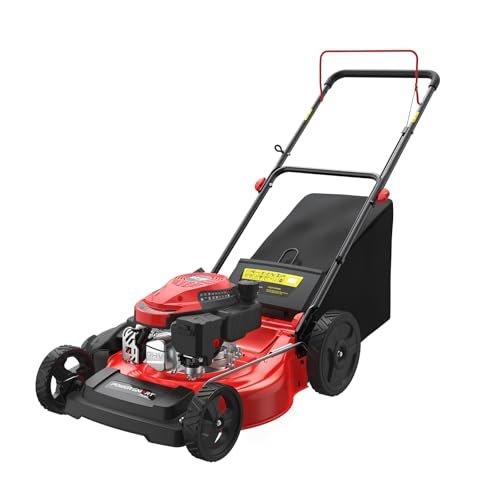 | 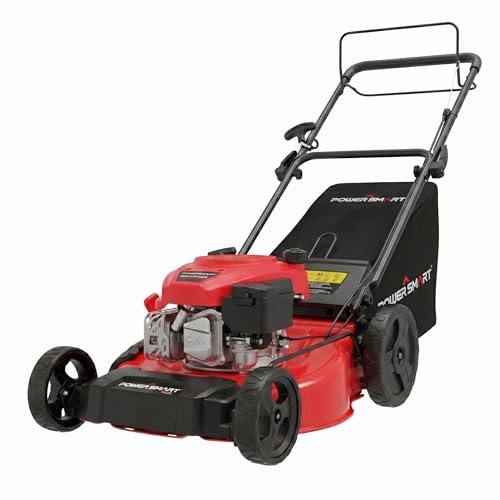 |
| Price | View On Amazon | View On Amazon |
| Category | Push Walk-Behind Gas Mower | Self-Propelled Gas Mower |
| Engine Displacement | 144cc 4-Stroke OHV Engine | 170cc 4-Stroke OHV Engine |
| Drive System | Manual Push (EasyGlide system with double ball-bearing wheels) | Self-Propelled Rear-Wheel Drive (RWD) |
| Cutting Deck Width | 21-Inch Steel Deck | 21-Inch Steel Deck |
| Mowing Functions | 3-in-1: Mulch, Bag, or Side Discharge | 3-in-1: Mulch, Bag (1.4-Bushel), or Rear Discharge |
| Cutting Height Adjustments | 6 Positions (Single-lever, 1.5″ to 3.9″) | 6 Positions (Single-lever, 1.5″ to 3.9″) |
| Wheel Dimensions | 7″ Front / 10″ Rear Wheels (Double ball-bearing) | 10″ Rear Wheels (High traction) |
| Easy Starting System | Auto choke & primer structure | Smooth manual pull-start OHV |
| Best For | Flat lawns, budget-conscious buyers, and users looking for a lighter, low-maintenance push design | Slopes, uneven terrain, medium-to-large yards, and users who want to minimize physical pushing effort |
| Amazon Link | View On Amazon | View On Amazon |
| Overall Winner | Runner-up (Best Budget / Lightweight Choice) | Winner (Best Power & Ease of Use) |
PowerSmart EasyGlide 21-Inch Gas Push Lawn Mower
The PowerSmart EasyGlide is a classic push walk-behind model built for homeowners who want reliable gas power without the added complexity of a self-propelled drive system. I found that the 144cc 4-stroke OHV engine delivers plenty of cutting power while remaining surprisingly lightweight and easy to guide. Its 21-inch steel deck feels incredibly solid, resisting flexing even when bumping against fence posts or low-hanging branches. Maneuvering this machine feels smooth thanks to the double ball-bearing wheels, which feature large 10-inch rear wheels that roll easily over minor turf dips. This model also incorporates a 3-in-1 mowing function that lets you switch between bagging, mulching, and side discharge depending on the length and moisture level of your grass.
Key Features
- 144cc 4-stroke OHV engine provides dependable cutting power with an integrated stabilized body structure for reduced vibration.
- Easy start system features an auto choke and a reliable primer structure to ensure quick startups in cooler weather.
- 21-inch durable steel deck houses a specialized blade engineered to create high-velocity airflow for fine mulching.
- Double ball-bearing wheels measuring 10 inches in the rear and 7 inches in the front reduce rolling resistance.
- 3-in-1 versatility allows you to collect clippings in the rear bag, discharge them out the side, or mulch them back into the soil.
Pros
- Exceptionally lightweight and easy to lift or load into a vehicle.
- Simple mechanical design means fewer parts can wear out or break over time.
- Large ball-bearing rear wheels make turning in tight corners effortless.
- Excellent fuel economy from the compact 144cc engine.
Cons
- Requires physical muscle to push up steep hills or through overgrown grass.
- Lacks a drive speed control, meaning your walking pace dictates the job speed.
Best For
This mower is ideal for flat, small-to-medium yards under a quarter acre where agility around garden beds and trees is a top priority.
Expert Opinion: The PowerSmart EasyGlide offers an incredibly durable steel deck paired with a reliable engine, making it a fantastic choice for physically fit users who want a simple, low-maintenance machine.
PowerSmart 21-Inch Self-Propelled Gas Lawn Mower
If you have slopes, thick grass, or simply want to save your energy, the PowerSmart 21-Inch Self-Propelled model is designed to do the heavy lifting for you. I immediately noticed the extra grunt of the upgraded 170cc OHV engine, which powers through dense patches of weeds without bogging down. The defining feature is the rear-wheel drive system paired with 10-inch rear wheels that dig in and pull the machine up inclines with minimal effort on your part. You get a robust 21-inch cutting width that makes quick work of larger lawns, cutting down on total cutting time. The 6-position height adjustment is controlled by a single, solid lever, allowing you to change your cutting height from 1.5 to 3.9 inches instantly.
Key Features
- 170cc OHV engine delivers high torque to handle dense weeds, thick turf, and the self-propelled drive system simultaneously.
- Rear-wheel drive system provides excellent traction on hills, slopes, and damp clay soils.
- 21-inch heavy-duty steel deck minimizes passes and resists damage from hidden rocks or debris.
- 6-position single-lever height adjustment lets you quickly adapt the cutting height from 1.5 inches to 3.9 inches.
- 3-in-1 grass management includes a 1.4-bushel collection bag, a mulching plug, and a rear discharge option.
Pros
- Rear-wheel drive pulls the weight of the mower effortlessly up steep slopes.
- Powerful 170cc engine maintains blade speed even in overgrown wet grass.
- Single-lever height adjustment is much faster than adjusting individual wheels.
- Large capacity grass bag reduces the number of trips to the compost pile.
Cons
- Noticeably heavier to lift and store compared to standard push models.
- Uses slightly more fuel due to the larger engine displacement and drive system.
Best For
This model is perfect for homeowners with medium-to-large yards, hilly terrain, or anyone who prefers to let the machine do the pushing.
Expert Opinion: By combining a high-torque 170cc engine with rear-wheel drive, this mower transforms a tiring physical chore into a leisurely walk, especially on uneven ground.
Choosing a Push Lawn Mower vs Gas Self-Propelled: Key Differences That Matter
Understanding the practical differences between a standard push lawn mower vs gas self-propelled models will help you avoid buyer’s remorse.
Performance Comparison
The engine sizes tell a clear story here. The push model uses a 144cc engine, which is highly efficient and lightweight. Because it only has to spin the blade, all of its power goes directly into cutting. The self-propelled model upgrades to a larger 170cc engine. This extra displacement is necessary because the engine must split its energy between spinning the cutting blade and driving the rear wheels. If you let your grass grow too tall, the 170cc engine will handle the abuse much better, whereas the 144cc engine might require you to slow down your walking pace to prevent stalling.
Price and Value Analysis
Generally, push mowers are more affordable upfront. They contain fewer moving parts, which translates to a lower retail price and lower long-term maintenance costs. You will not have to worry about drive belts wearing out, pulley adjustments, or transmission wear. The self-propelled model carries a price premium. However, the value lies in the physical energy you save. If a self-propelled drive prevents back strain or allows you to cut your lawn during hot summer days without exhaustion, the extra investment pays for itself quickly.
Build Quality Comparison
Both machines utilize a durable 21-inch steel deck, which is a massive upgrade over the plastic decks found on many modern mowers. However, the self-propelled version feels heavier and more substantial. The drive axles, transmission gears, and single-lever height adjustment mechanism add complexity and weight. The push model relies on a simpler, lightweight chassis with double ball-bearing wheels. While both are built to last, the push model has fewer points of failure over a ten-year lifespan.
User Experience Differences
Operating these two mowers offers completely different physical sensations. With the push model, you are in total control of the pace. It is highly agile, making it easy to pivot, pull backward, and weave around delicate flower beds. The downside is that you will feel the burn in your calves after half an hour, especially when pushing uphill. The self-propelled model requires you to guide the machine rather than push it. It digs into the soil and climbs hills easily, but it can feel a bit more cumbersome when you need to pull backward or make sharp 180-degree turns in tight spaces.
Which Should You Choose?
If you have a flat, uniform yard that is under a quarter of an acre, the lightweight push model is likely your best option. It is easy to store, highly maneuverable, and saves you money on both the initial purchase and future maintenance. You will appreciate how easy it is to lift into a shed or car trunk.
If your property features rolling hills, ditches, or steep slopes, the self-propelled model is the clear winner. The rear-wheel drive system prevents slipping on damp grass and eliminates physical fatigue. It is also the superior choice for larger properties or for homeowners who struggle with joint pain or limited physical strength.
My final verdict favors matching the tool to your terrain. For flat, simple lawns, choose the simplicity of the push walk-behind. For challenging slopes and thick grass, invest in the power of the self-propelled drive.
Frequently Asked Questions
Q: In the battle of push lawn mower vs gas self-propelled, which is better for steep hills?
A: The gas self-propelled mower is significantly better for steep hills. Its rear-wheel drive system provides the necessary traction to pull the machine upward, preventing you from slipping or experiencing extreme physical fatigue.
Q: Does a push lawn mower vs gas self-propelled require different types of engine maintenance?
A: The engine maintenance is very similar, as both require regular oil changes, air filter cleanings, and fresh spark plugs. However, the self-propelled model requires additional maintenance over time to check the drive belt tension and ensure the transmission gears remain clean.
Q: Can you use a self-propelled gas mower as a regular push mower if the drive system is turned off?
A: Yes, you can push a self-propelled mower manually by simply not engaging the drive lever. However, because of the heavy internal transmission and drive components, it will feel much heavier and harder to push than a dedicated manual push model.
Q: Which mower style is better for tight spaces and complex landscaping?
A: The standard push mower is superior for tight spaces. It is lighter, has a shorter footprint, and can be pulled backward or spun around on its rear wheels with minimal effort, making it highly agile around gardens.
Q: Do these mowers require mixed gas and oil?
A: No, both models feature 4-stroke engines. This means they take regular unleaded automotive gasoline in the fuel tank and standard engine oil in a separate crankcase. You do not need to mix gas and oil.
Q: How do I store these mowers during the winter months?
A: For both models, you should either run the engine until the fuel tank is completely empty or add a high-quality fuel stabilizer to a full tank of fresh gas. Store them in a dry, covered space like a garage or tool shed to prevent rust on the steel decks.
As an Amazon Associate, We earn from qualifying purchases