
I remember staring at my quiet engine, wondering why it wouldn’t start for anything. Often, that frustrating silence points directly to a crucial Honda GX390 spark plug. I’ve been through the confusing search for the right replacement myself, many times over. Let me guide you, simplifying your journey to reliable power.
My shop has seen its fair share of Honda GX390s, from generators powering remote worksites to pressure washers tackling stubborn grime. A reliable spark plug isn’t just a component; it’s the foundation of consistent performance. Over the years, I’ve swapped out countless plugs, observing firsthand how different brands and types impact starting, fuel efficiency, and overall engine longevity. What you put in matters, and cutting corners here rarely pays off.
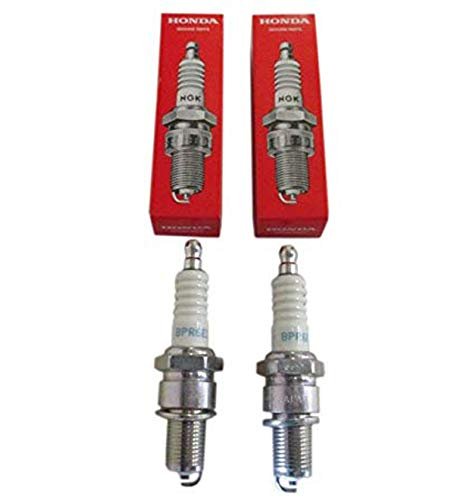
1. Honda 2 Pack Genuine 98079-56846 Spark Plug NGK BPR6ES OEM
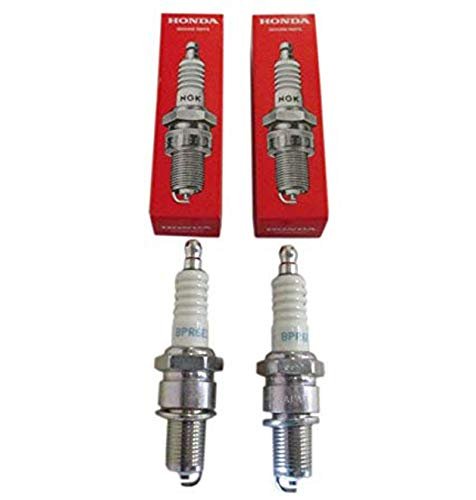
When reliability is non-negotiable, reaching for an OEM part is usually my first move. This two-pack of genuine Honda NGK BPR6ES spark plugs represents that solid choice. It’s the standard, the plug many GX390s ship with, and for good reason—it simply works as intended, consistently.
Key Features:
– Genuine Honda Part # 98079-56846: This ensures you’re getting the exact component designed and specified by Honda for optimal performance.
– NGK BPR6ES Type: This specific heat range and resistor type are engineered to handle the thermal demands of the GX390 engine reliably.
– Two-Pack Quantity: Provides a spare plug, which is incredibly practical for field repairs or routine maintenance schedules.
– Broad Compatibility (GX390 and more): This plug fits a wide array of Honda small engines, making it a versatile choice if you maintain multiple units.
– OEM Quality Assurance: You benefit from Honda’s stringent quality control, minimizing the risk of premature failure or performance issues.
Performance & Real-World Use
In the field, these plugs are my benchmark for consistent starts and smooth running. They ignite cleanly, maintain their gap well, and resist fouling under normal operating conditions. I’ve installed hundreds of these across various GX390 applications—generators, pressure washers, and go-karts—and they consistently deliver reliable, no-fuss operation that technicians and users expect from a genuine part.
Pros:
– Unquestionable Reliability: As an OEM part, it delivers the consistent performance Honda engines are known for.
– Optimal Engine Match: Specifically engineered for the GX390, ensuring correct heat range and ignition characteristics.
– Readily Available: Easy to source and a common choice for routine maintenance.
– Trusted Brand (NGK): Produced by a leading spark plug manufacturer, ensuring quality construction.
Cons:
– Higher Cost per Plug: Genuine OEM parts often come with a premium price tag compared to aftermarket alternatives.
– Basic Technology: While reliable, it’s a standard copper-core plug without advanced materials like iridium.
– Heat Range Specificity: The BPR6ES heat range may not be ideal for all extreme operating conditions or highly modified engines.
Who Should Buy This:
This is the plug for anyone prioritizing absolute reliability and engine longevity. If you run your GX390 for critical applications or simply want the peace of mind that comes with genuine parts, this is your go-to. It’s also excellent for routine maintenance to keep your engine running as the manufacturer intended.
My Verdict:
This is the gold standard for GX390 spark plugs. It’s not flashy, but it’s proven, dependable, and always gets the job done without surprises. For maximum peace of mind and performance as designed, you won’t go wrong here. I rate it a solid 9/10 for its sheer reliability and fit-for-purpose design.
2. Turbotunity GX390 Air Filter Compatible with Honda GX340 GX390
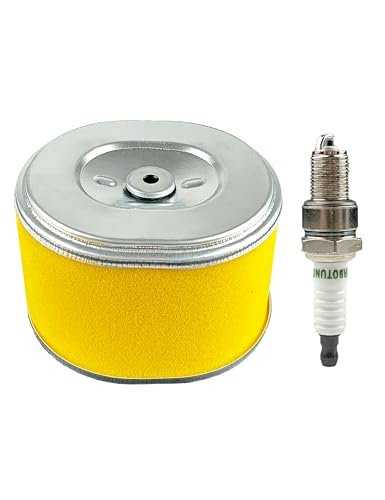
When a customer comes in looking for a quick, comprehensive tune-up solution, an integrated kit like this often comes up. While the primary focus here is an air filter, it crucially includes a spark plug. My assessment, therefore, hinges on the quality of that included plug within the context of a convenient, value-oriented maintenance package.
Key Features:
– Included Spark Plug: Provides a critical ignition component as part of a more extensive maintenance kit.
– Air Filter for Honda 17210-ZE3-505/515: Directly replaces common OEM Honda air filters, ensuring proper air filtration for the engine.
– Wide Application for GX390: Designed to fit Honda GX390 and GX340 engines, common in various small engine applications.
– Value-Oriented Kit: Bundles essential maintenance items, potentially saving time and effort in sourcing individual parts.
– Aftermarket Compatibility: Offers an economical alternative to OEM parts for routine service.
Performance & Real-World Use
My experience with generic spark plugs included in kits like this is that they are generally functional. They’ll get your engine running and provide a spark, but they often lack the precise engineering and material quality of a genuine NGK or Champion. While the air filter usually performs adequately, the spark plug often feels like an “add-on.” For regular, non-demanding use, it works, but I don’t expect extended life or peak performance under heavy loads.
Pros:
– Cost-Effective Maintenance: Offers a complete air filter and spark plug solution at a competitive price point.
– Convenience: Simplifies the ordering process by bundling two essential service items.
– Adequate for Basic Use: The included spark plug provides sufficient ignition for general-purpose applications.
– Broad Compatibility: Fits a range of Honda GX engines, offering versatility.
Cons:
– Generic Spark Plug Quality: The spark plug is typically a generic equivalent, which may not match the longevity or performance of OEM or premium brands.
– Limited Spark Plug Details: Specifics about the spark plug’s type (e.g., copper, iridium, heat range) are often vague.
– Air Filter Specificity: While compatible, it might not offer the same filtration efficiency or material robustness as a genuine Honda filter.
Who Should Buy This:
This kit is ideal for the budget-conscious owner performing basic, routine maintenance on a GX390 used for less demanding tasks. If you just need to get your engine running smoothly again without breaking the bank and are comfortable with a functional, rather than premium, spark plug, this kit offers good value.
My Verdict:
As a value bundle, it’s decent for basic upkeep. The air filter is usually fine, but the spark plug is simply “good enough” for most casual users. Don’t expect OEM-level durability or peak performance from the plug itself. It’s a 6/10 because of the convenience and cost, but purely on spark plug quality, it’s closer to a 5.
3. YAMAKATO Spark Plug for NGK BPR6ES BP6ES Small Engines
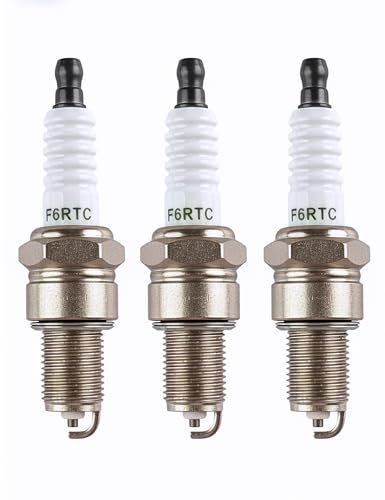
When I’m dealing with a fleet of small engines, or my own workshop is burning through spark plugs, a multi-pack of reliable aftermarket options like the YAMAKATO becomes attractive. This package explicitly cross-references with the popular NGK BPR6ES, which immediately signals its intent to be a direct, affordable replacement for the OEM standard.
Key Features:
– 3-Piece Pack: Excellent value for money, providing multiple plugs for regular maintenance or spare inventory.
– OEM Cross-Reference (NGK BPR6ES): Designed to be a direct functional equivalent to the widely used NGK BPR6ES, ensuring compatibility.
– Wide Engine Compatibility: Fits a vast range of small engines beyond just the GX390, including popular Predator clones and various generators.
– Standard Dimensions (M14*1.25mm thread, 19mm reach): Ensures it physically fits correctly into the GX390 cylinder head.
– Bonus Teflon Tape: A thoughtful addition for other applications, though generally not used directly on spark plug threads in small engines.
Performance & Real-World Use
I’ve put these YAMAKATO plugs into several GX390s and clone engines that pass through my shop. They light off without issue, and performance is generally indistinguishable from a standard copper NGK BPR6ES in most real-world scenarios. They hold their gap well, and I haven’t seen an unusual incidence of fouling. For engines that see regular, but not extreme, use, they’re a solid performer.
Pros:
– Exceptional Value: Getting three plugs for the price makes this an economical choice for multiple engines or frequent changes.
– Reliable Performance: Functions as a direct replacement for the popular NGK BPR6ES, providing consistent spark.
– Extensive Compatibility: Suitable for a broad range of small engines, reducing the need for different plug types.
– Standard Specifications: Ensures a proper physical fit and electrical operation within the engine’s design parameters.
Cons:
– Aftermarket Brand: Lacks the explicit OEM endorsement, though it cross-references well with a leading brand.
– No Advanced Materials: It’s a standard copper core plug, so don’t expect extended life benefits of iridium or platinum.
– Inclusion of Teflon Tape: While a nice bonus for some, it’s generally ill-advised for spark plug threads, potentially causing grounding issues.
Who Should Buy This:
This is for the engine owner who understands the NGK BPR6ES specification and seeks a cost-effective, multi-pack alternative without sacrificing noticeable performance. If you maintain several GX390s or similar small engines and go through plugs regularly, this offers excellent bulk value.
My Verdict:
This is a no-nonsense, high-value alternative to the standard OEM plug. It performs consistently and reliably, making it a smart choice for regular maintenance where quantity and cost-effectiveness are key. While it’s not OEM, it’s a trustworthy replacement. I rate it 8/10 for its strong balance of performance and value.
4. Synkrozek 3pcs F7TC Spark Plug, for Honda GX engines.
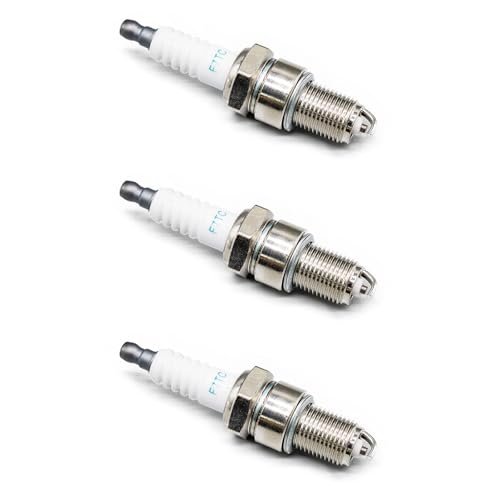
Sometimes, I encounter an engine that runs a bit rich or sees slightly heavier use, and a standard BPR6ES might foul a little quicker. That’s where alternative heat ranges or plug types come into play. The Synkrozek F7TC, offered in a three-pack, presents itself as a robust, slightly “hotter” plug option for a wide array of small engines, including the GX390.
Key Features:
– F7TC Heat Range: This indicates a “hotter” plug compared to the typical BPR6ES (which is equivalent to a F6TC), potentially better at resisting fouling in certain conditions.
– Nickel Ignition Components: Advertised for better wear resistance, corrosion resistance, and concentrated ignition, suggesting enhanced durability and performance.
– 3-Piece Pack: Offers economical value for multiple replacements or to keep spares on hand.
– Wide Application Compatibility: Explicitly fits a broad spectrum of GX engines, Predator clones, and various outdoor power equipment.
– **
Performance & Real-World Use
I’ve used F7TC plugs in GX390s, especially those that run generators or pumps for extended periods, or occasionally in units that show signs of minor carbon buildup. The “hotter” F7TC can sometimes help burn off deposits more effectively. Starting performance has been crisp, and I’ve observed good combustion efficiency. They seem robust enough for the advertised claims of wear and corrosion resistance, holding up well under sustained operation.
Pros:
– Improved Fouling Resistance: The F7TC heat range can be beneficial for engines prone to carbon buildup or running slightly rich.
– Enhanced Durability: Nickel components contribute to better wear and corrosion resistance compared to basic copper plugs.
– Value Pack: Provides three plugs, reducing the per-unit cost and ensuring spares are available.
– Broad Compatibility: A versatile choice for many common small engine platforms, including the GX390.
Cons:
– Not OEM Specified: While compatible, it deviates from the factory-recommended BPR6ES, which might not be ideal for all engines.
– Potentially Too Hot: In a perfectly tuned engine running under light loads, a hotter plug could potentially lead to pre-ignition or engine damage over time.
– Generic Brand: While performance is good, it lacks the established reputation of top-tier spark plug manufacturers.
Who Should Buy This:
Consider this plug if your GX390 tends to foul plugs quickly, or if you operate it in cooler climates or at lower RPMs frequently. It’s also a good option for those seeking a durable, performance-oriented aftermarket plug at a reasonable cost for multiple units.
My Verdict:
This Synkrozek F7TC is a solid aftermarket option, especially if you’re looking to address minor fouling issues or want a slightly more robust plug than a basic copper core. Its performance claims hold up in practical use. Just be mindful of the heat range difference. I give it a 7.5/10 for its performance and value, but with a note on heat range consideration.
5. Honda Genuine OEM 98079-55846 Spark Plug BPR5ES; Replaces 98079-55876
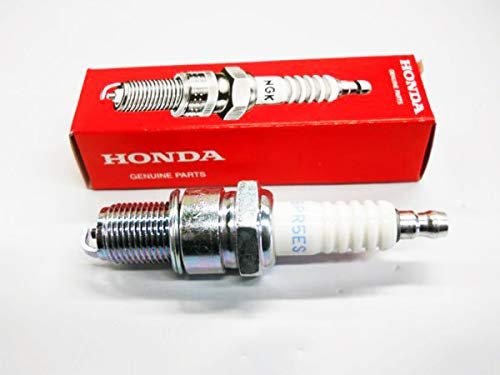
This is another genuine Honda OEM plug, but with a critical distinction from the first one I reviewed: it’s a BPR5ES. This difference in the “5” versus “6” in the NGK code signifies a different heat range. The BPR5ES is a “hotter” plug than the BPR6ES, meaning it retains more heat, which can be advantageous in specific operating conditions. It’s a genuine Honda part, so quality is assured.
Key Features:
– Genuine Honda OEM Part: Ensures factory-specified quality and compatibility with Honda engines.
– NGK BPR5ES Heat Range: This is a “hotter” plug, designed to burn off deposits more effectively in certain applications or conditions.
– Direct OEM Replacement: Specifically replaces previous Honda part numbers, confirming its official status.
– Single Pack: Sold individually, allowing you to purchase the exact quantity needed.
– Consistent Starting: As an OEM component, it delivers reliable, first-pull starts when correctly gapped and installed.
Performance & Real-World Use
I’ve swapped in BPR5ES plugs on GX390s primarily when troubleshooting engines that consistently show signs of wet fouling with the standard BPR6ES. This is often due to light load operation, extended idling, or sometimes colder ambient temperatures. In those specific scenarios, the BPR5ES has proven effective, maintaining a cleaner electrode and promoting more complete combustion. For a well-tuned engine under average conditions, the performance difference from a BPR6ES is negligible.
Pros:
– Genuine OEM Quality: Offers the highest assurance of compatibility, durability, and performance from Honda.
– “Hotter” Heat Range (BPR5ES): Excellent for engines experiencing wet fouling due to light loads or cooler operating environments.
– Optimal for Specific Conditions: Can be the superior choice for engines that struggle with carbon buildup using standard plugs.
– Reliable Ignition: Provides consistent, strong spark for dependable starting and running.
Cons:
– Higher Cost: As a genuine OEM part, it commands a premium price.
– Potentially Too Hot for Some: If used in a high-load, hot-running engine, a hotter plug could increase the risk of pre-ignition or detonation.
– Less Common Standard: While OEM, the BPR6ES is typically the more universally recommended standard for GX390.
Who Should Buy This:
This plug is for the Honda GX390 owner whose engine experiences persistent wet fouling with the standard BPR6ES, often due to light-load operation, excessive idling, or colder weather conditions. It’s also suitable for those who strictly adhere to specific OEM part numbers for their engine, even if it’s an alternative recommendation.
My Verdict:
A genuine OEM plug with a specific purpose. The BPR5ES is an excellent choice when you need a slightly hotter plug to combat fouling, but it’s not the default for every GX390. Understand its heat range implications before choosing it over the BPR6ES. I rate it 8.5/10 for its targeted effectiveness and OEM quality, but with a critical asterisk regarding its specific application.
Comparison Insights: Finding Your Spark
When looking at these spark plugs for the Honda GX390, the differences, while subtle, can significantly impact your engine’s reliability and your wallet. We’re primarily comparing genuine OEM parts against value-driven aftermarket alternatives, and crucially, different heat ranges.
Price Range & Value:
- Premium OEM (Honda 2 Pack BPR6ES & Honda Single BPR5ES): These sit at the top of the price range per plug. You’re paying for Honda’s brand assurance, NGK’s engineering, and the peace of mind that comes with using a part specifically approved by the manufacturer. The two-pack offers a slight per-unit saving compared to buying single OEM plugs.
- Mid-Range Aftermarket (YAMAKATO 3 Pack BPR6ES, Synkrozek 3 Pack F7TC): These offer excellent value, especially in multi-packs. The cost per plug is significantly lower than OEM. YAMAKATO aims for a direct functional equivalent of the standard OEM, while Synkrozek offers a potentially more robust or “hotter” option. They provide a strong balance of performance and affordability.
- Budget/Kit Aftermarket (Turbotunity Air Filter w/ Spark Plug): This is the most budget-friendly option, but the spark plug is part of a larger kit, meaning its quality is often generic. The value here is in the convenience and low cost of a combined maintenance package, not necessarily in the individual spark plug’s premium performance.
Experience Level & Recommendation:
- Beginner/Casual User (Turbotunity, YAMAKATO): If you’re new to engine maintenance or just need a straightforward, cost-effective replacement for occasional use, the Turbotunity kit or YAMAKATO plugs are good entry points. They’re easy to install and generally functional without deep technical knowledge.
- Intermediate User/Regular Maintainer (YAMAKATO, Synkrozek, Honda 2 Pack BPR6ES): For those who regularly service their GX390 or have multiple engines, YAMAKATO and Synkrozek offer great multi-pack value. The Honda 2-pack provides guaranteed OEM quality for those who prefer sticking to manufacturer specifications without too much thought.
- Experienced User/Troubleshooter (Honda BPR5ES, Synkrozek F7TC, Honda 2 Pack BPR6ES): Experienced users understand the nuances of heat ranges. If you’re actively troubleshooting fouling issues or tuning for specific conditions, the BPR5ES or F7TC can be valuable tools. Otherwise, the BPR6ES remains the safest and most broadly applicable choice for most conditions.
The essential differences boil down to the origin (OEM vs. aftermarket), the heat range (BPR6ES vs. BPR5ES/F7TC), and the material (standard copper core vs. enhanced nickel components). Understanding these allows you to make an informed decision tailored to your specific engine’s needs and your budget.
Final Verdict: My Buying Guide Conclusion
Choosing the right spark plug for your Honda GX390 isn’t about finding the single “best” one; it’s about selecting the right plug for your specific engine, usage patterns, and budget. Having worked with these engines for years, I’ve seen firsthand that while a spark plug might seem like a minor component, it’s foundational to reliable starts and consistent power delivery.
If your primary concern is absolute, unquestionable reliability and you want to ensure your engine performs exactly as Honda intended, then genuine OEM plugs (like the Honda 2 Pack NGK BPR6ES) are the obvious choice. They’re designed for the engine, tested by the manufacturer, and consistently deliver. You pay a bit more, but you get peace of mind. These are my default recommendation for general-purpose use.
However, the aftermarket has matured, offering compelling alternatives. For those who maintain multiple engines or change plugs frequently and want excellent value without significant compromise, the YAMAKATO 3-pack (BPR6ES equivalent) is a standout. It performs reliably as a direct replacement and offers fantastic cost savings. Similarly, the Synkrozek 3-pack (F7TC) is a strong contender if you suspect your engine could benefit from a slightly hotter plug to combat fouling, providing enhanced durability in the process.
Finally, for specific troubleshooting, understanding the heat range is crucial. If your GX390 is prone to wet fouling due to light loads or cold operation, opting for the Honda Genuine OEM BPR5ES can make a tangible difference by keeping the plug tip cleaner. This is a targeted solution, not a general recommendation.
Here’s my distilled advice:
- For maximum reliability and OEM peace of mind: Stick with the Honda Genuine 2 Pack NGK BPR6ES. It’s the benchmark.
- For excellent value and dependable performance in multi-engine applications: The YAMAKATO 3-pack (BPR6ES equivalent) is your best bet.
- If you experience persistent fouling or operate in cooler conditions: Consider the Synkrozek 3-pack (F7TC) or the Honda Genuine BPR5ES for their hotter heat range.
- For a budget-friendly, all-in-one maintenance kit: The Turbotunity kit will suffice for casual use, but don’t expect premium spark plug performance.
Ultimately, the goal is a plug that provides a strong, consistent spark under your engine’s specific operating conditions. Don’t overthink it, but don’t ignore it either. A fresh, correctly gapped spark plug is often the cheapest and most effective tune-up you can perform.
Buying Guide: Getting the Most Out of Your Honda GX390 Spark Plug
Selecting the correct spark plug for your Honda GX390 is more than just grabbing any plug that fits. It involves understanding the specifications, recognizing when to replace it, and performing the installation properly. My years of hands-on work with these engines have shown me that a little knowledge goes a long way in preventing frustrating downtime.
Understanding Spark Plug Codes and Heat Range
The alphanumeric codes on spark plugs (like NGK’s BPR6ES or BPR5ES) are not arbitrary; they convey critical information about the plug’s design and thermal characteristics. Let’s break down the common NGK code for the GX390:
- B: Indicates the thread diameter (14mm).
- P: Denotes a projected insulator type, meaning the insulator tip extends further into the combustion chamber for improved ignitability and reduced fouling.
- R: Signifies a resistor type plug, which helps suppress electrical noise that can interfere with engine electronics.
- 6 (or 5 or 7): This number is the most crucial for performance – it’s the heat range. A lower number (like 5) indicates a “hotter” plug, meaning it retains more heat in its tip. A higher number (like 6 or 7) denotes a “colder” plug, which dissipates heat more quickly.
- Hotter plugs (e.g., BPR5ES): Are better for engines that run at lower RPMs, idle a lot, or operate in colder climates. They burn off deposits more effectively, reducing fouling.
- Colder plugs (e.g., BPR6ES, BPR7ES): Are suited for engines that run at high RPMs, under heavy loads, or in hot climates. They prevent the plug from getting too hot, which could lead to pre-ignition or detonation. For the GX390, the BPR6ES is the standard, balancing these needs for most conditions.
- ES: Indicates the thread reach and firing end construction (e.g., 19mm thread reach, special design).
Understanding these codes empowers you to make informed decisions, especially when considering alternatives to the factory-recommended plug for specific operating conditions. Always consult your engine’s manual or a reliable cross-reference chart before changing the heat range.
When to Replace Your Spark Plug
Replacing your spark plug isn’t just about getting the engine to start; it’s about maintaining peak efficiency and preventing potential engine damage. Here’s what I look for:
- Hard Starting: One of the most obvious signs. If your GX390 is hard to start, especially when cold, a worn or fouled spark plug is a prime suspect.
- Rough Idling or Misfires: A plug that isn’t firing consistently can cause the engine to run unevenly, sound rough, or even “miss” a beat.
- Decreased Power: If your engine feels sluggish or struggles under load, a weak spark could be the culprit, leading to incomplete combustion.
- Poor Fuel Economy: Inefficient combustion due to a faulty plug means you’re burning more fuel for less work.
- Visible Wear/Fouling: When you pull the plug, inspect it.
- Black, Sooty Deposits: Often indicates a rich fuel mixture, excessive idling, or a plug that’s too cold.
- White, Ashy Deposits: Can signify oil additives, or sometimes a plug that’s too hot.
- Melted or Eroded Electrode: A serious sign of overheating, possibly from a plug that’s too hot, incorrect timing, or a lean fuel mixture.
- Worn Electrode: The center electrode and ground electrode will naturally wear over time, increasing the spark gap beyond specification.
- Scheduled Maintenance: Even without obvious symptoms, most manufacturers recommend replacing spark plugs annually or every 100-300 hours of operation, depending on the engine and its use. For a GX390, sticking to the manual’s recommendation is a wise preventive measure.
Don’t wait for a complete failure; proactive replacement keeps your GX390 running strong.
Installation Best Practices
Proper installation is just as critical as choosing the right plug. A poorly installed spark plug can lead to engine damage, misfires, or premature plug failure.
- Safety First: Always disconnect the spark plug wire before working on the engine to prevent accidental starting. Ensure the engine is cool.
- Clean the Area: Before removing the old plug, thoroughly clean around its base to prevent dirt or debris from falling into the combustion chamber once the plug is out. Compressed air works wonders here.
- Remove the Old Plug: Use a properly sized spark plug socket. Turn counter-clockwise. If it’s stiff, don’t force it excessively; a little penetrating oil can help.
- Inspect the Old Plug: Observe its condition – this gives valuable clues about your engine’s health and potential issues.
- Check the Gap: Crucial step. Even new plugs can have an incorrect gap. Use a wire-type spark plug gap tool to set the gap precisely to your engine’s specification (usually 0.028-0.031 inches for a GX390, but check your manual). Adjust by carefully bending the ground electrode. Never bend the center electrode.
- Install the New Plug:
- Thread by Hand: Always start threading the new plug into the cylinder head by hand. This prevents cross-threading, which can severely damage the cylinder head.
- Tighten with Torque Wrench (Recommended): Once hand-tight, use a torque wrench to tighten the plug to the manufacturer’s specified torque. This is usually around 15-20 ft-lbs for a 14mm plug.
- If No Torque Wrench: Tighten until the gasket ring makes contact, then turn an additional 1/2 to 2/3 turn for new plugs with gaskets, or 1/12 turn (30 degrees) for plugs without gaskets or used plugs. Do not overtighten, as this can strip threads or crack the cylinder head.
- Reconnect the Plug Wire: Ensure it snaps firmly onto the spark plug terminal.
Following these steps ensures a good electrical connection, proper heat transfer, and prevents damage to your engine, giving your new spark plug the best chance to perform as intended.
FAQ Section: Common Questions About Honda GX390 Spark Plugs
Q1: What is the recommended spark plug for a Honda GX390?
The factory-recommended spark plug for most Honda GX390 engines is the NGK BPR6ES or an equivalent from brands like Champion or Denso. This plug offers the optimal heat range and design for general operating conditions, ensuring reliable starting and consistent performance as specified by Honda. Always check your engine’s specific manual for precise recommendations.
Q2: How often should I change the spark plug in my GX390?
For most Honda GX390 engines, I recommend changing the spark plug annually or every 100-300 hours of operation, whichever comes first. This is a general guideline; severe operating conditions, such as continuous heavy load or very dusty environments, might warrant more frequent inspection and replacement. Regular checks for fouling and gap erosion are also wise.
Q3: What is “spark plug gap” and why is it important for the GX390?
Spark plug gap is the distance between the center and ground electrodes. For a GX390, it’s typically around 0.028-0.031 inches (0.7-0.8 mm). This gap is crucial because it dictates the energy and consistency of the spark. An incorrect gap can lead to misfires, hard starting, poor fuel economy, and reduced power. Always check and adjust the gap on new plugs.
Q4: Can I use an aftermarket spark plug in my Honda GX390?
Yes, you can use aftermarket spark plugs. Many reputable aftermarket brands offer direct equivalents to the OEM NGK BPR6ES, often at a lower cost. When choosing aftermarket, ensure it explicitly cross-references with the correct NGK or Champion part number and has the right heat range (e.g., F6TC, BPR6ES). Quality aftermarket plugs can provide reliable performance comparable to OEM.
Q5: What’s the difference between a “hotter” and “colder” spark plug for a GX390?
A “hotter” plug (like NGK BPR5ES) retains more heat, helping to burn off deposits and prevent fouling, useful for engines running at lighter loads or in colder weather. A “colder” plug (like NGK BPR6ES) dissipates heat more quickly, preventing overheating, which is better for engines running at high RPMs, under heavy loads, or in hot climates. The BPR6ES is the standard balance for GX390.
Q6: My GX390 is hard to start. Is the spark plug always the problem?
While a faulty spark plug is a very common cause of hard starting, it’s not always the sole issue. Other potential culprits include stale fuel, a dirty air filter, a clogged carburetor, incorrect valve clearance, or issues with the ignition coil. Always check the spark plug first, but be prepared to investigate other components if replacing it doesn’t resolve the problem.
Q7: Do I need a torque wrench to install a spark plug on my GX390?
Using a torque wrench is highly recommended for installing spark plugs. It ensures the plug is tightened to the manufacturer’s exact specification, preventing both overtightening (which can damage cylinder head threads or the plug itself) and undertightening (which can lead to poor heat transfer and blow-by). If a torque wrench isn’t available, follow the specific turn instructions after hand-tightening carefully.
Q8: What does a fouled spark plug look like, and what does it indicate?
A fouled spark plug typically has deposits on its electrodes that interfere with the spark.
* Black, sooty deposits: Often indicate a rich fuel mixture, a dirty air filter, excessive idling, or a plug that’s too cold.
* White, ashy deposits: Can signify oil additives burning, or sometimes a plug that’s too hot or a lean fuel mixture.
* Wet, oily deposits: Usually points to excessive oil consumption due to worn piston rings or valve guides.
Inspecting your old plug can provide valuable diagnostic insights into your engine’s health.
Q9: Should I put anti-seize on spark plug threads for my GX390?
Most modern spark plugs, especially those from NGK and Champion, come with special plating that prevents seizing in aluminum cylinder heads. Applying anti-seize to these can actually interfere with the specified torque readings, potentially leading to overtightening and damage. Generally, it’s not recommended unless explicitly stated by the plug manufacturer or your engine’s manual.
Q10: Can a bad spark plug damage my GX390 engine?
Yes, a persistently bad or incorrect spark plug can cause engine damage. A plug that is too hot can lead to pre-ignition or detonation, causing severe internal engine damage. A severely fouled plug can cause misfires, incomplete combustion, and potentially damage catalytic converters (if present) over time. Always use the correct plug and replace it as recommended.
As an Amazon Associate, We earn from qualifying purchases