

I remember the first time I really needed to use a socket wrench. I was standing in my garage, staring at a spark plug on my snow blower that just wouldn’t budge. I had a cheap wrench in my hand, and I was getting nowhere.
That afternoon, I finally grabbed a proper ratchet set. It changed everything. If you are new to DIY or just want to fix things around the house without the headache, learning how to use a socket wrench is the best first step you can take.
Here is how I use mine, along with a few hard-learned lessons I picked up along the way.
Table of Contents
Getting to Know the Tool
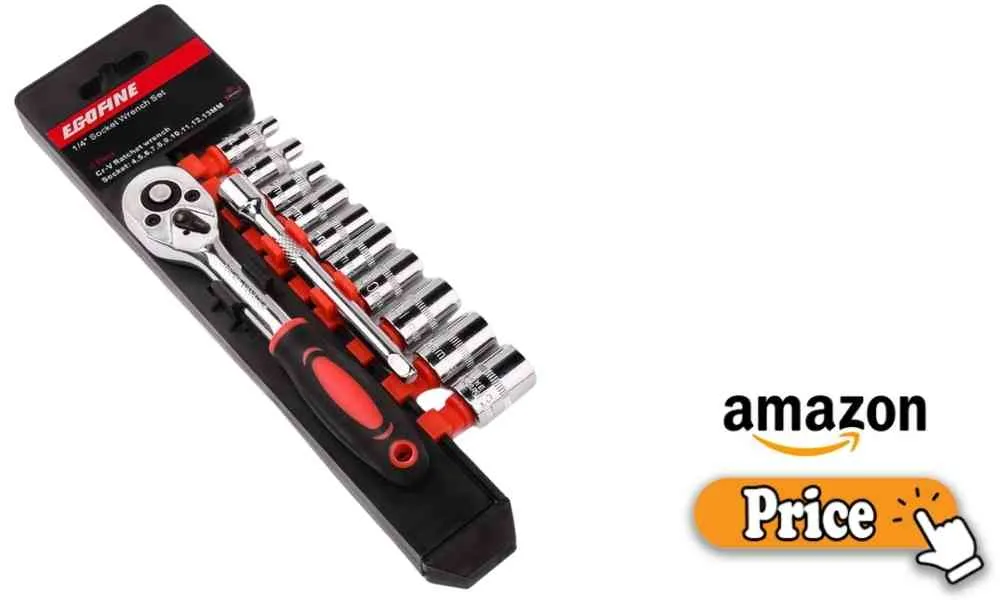
A socket wrench, or ratchet, isn’t just one piece. It is a system. You have the handle, which does the heavy lifting, and the sockets, which are the little metal cylinders that fit onto the bolts.
The magic is in the “ratcheting” action. This lets you turn a nut without having to lift the tool off the bolt every single time. It saves so much time and keeps your knuckles safe from scraping against rough metal.
Step 1: Picking the Right Socket
This is where I used to mess up the most. You have to find the socket that fits your bolt perfectly. If it is too loose, you will strip the edges of the bolt, and then you are in big trouble.
I always test the fit by hand first. I take the socket off the handle and slide it over the nut. It should slide on easy but have zero wiggle room. If it wobbles, grab a different size.
Also, check if your set is Metric (mm) or Standard (SAE). My lawn mower usually needs Standard sizes, but my car is almost always Metric. Mixing them up is a recipe for a stripped bolt.
Step 2: Attaching the Socket
Once you have the right size, look at the square nub on your ratchet handle. That is called the drive. Most of my DIY tools are a 3/8-inch drive, which is perfect for general repairs.
Line up the square hole on the socket with the drive on the handle. Push them together until you feel a solid “click.” That sound is the ball bearing locking it into place so it won’t fall off while you work.
Step 3: Setting the Direction
There is a little switch or dial on the back of the ratchet head. This controls the direction. I always rely on the old saying: “Righty Tighty, Lefty Loosey.”
If I want to tighten a bolt, I flip the switch so the handle resists when I push it to the right. If I need to loosen a rusted nut on my pressure washer, I flip it the other way.
Step 4: The Ratchet Action
Now for the fun part. Slide the socket over the bolt. Make sure it is seated all the way down. If it’s sitting shallow, it might slip off when you apply force.
Pull the handle to turn the bolt. When you run out of room, just swing the handle back the other way. You will hear that satisfying click-click-click sound.
That sound is the gear resetting. You don’t need to lift the tool. Just push and pull until the job is done. It feels almost rhythmic once you get the hang of it.
My “Pro” Tips for Beginners
Don’t be a hero with the torque. I learned this the hard way while working on a delicate part of my leaf blower. A ratchet gives you a lot of leverage. Once the bolt is snug, stop. If you crank it too hard, the bolt head can snap right off.
Use an extension bar. Sometimes a bolt is buried deep inside a machine. I have a 3-inch metal bar that snaps between the handle and the socket. It extends my reach and keeps my hands away from sharp engine parts.
Keep it organized. There is nothing worse than losing the one 10mm socket you need. I wipe my tools down with a rag after every job and put them back in their case immediately. It keeps the rust away and saves my sanity.
Read More: How to Use a Basin Wrench
Final Thoughts
Using a socket wrench feels intimidating at first, but it quickly becomes second nature. Whether I am tuning up my chainsaw or assembling furniture, it is the first tool I reach for.
Take your time, listen for the click, and don’t force it. You’ll be fixing things like a pro in no time.
FAQs- How to Use a Socket Wrench
How do I know which way to turn the ratchet?
Use the “righty tighty” rule to start. Flip the switch on the ratchet head. If the handle resists when you turn right, it will tighten the bolt for you securely.
How do I pick the right socket size?
Test the socket on the nut by hand first. It should slide on easy but not wiggle. If it fits loose, try a metric size or a smaller standard one to avoid damage.
When should I use a socket extension bar?
Use an extension bar to reach bolts deep inside an engine. It snaps between the handle and socket. This adds length so your hands stay safe and clear of sharp parts.
What if the bolt is stuck and won’t turn?
Do not force a small ratchet or it might break. Spray some oil on the rusted nut first. Let it sit, then try a longer bar or a breaker bar for more turning power.
Why does my ratchet make a clicking sound?
The click is the gear inside resetting itself. It lets you swing the handle back without moving the bolt. This helps you work fast in tight spots without lifting the tool.
As an Amazon Associate, We earn from qualifying purchases