
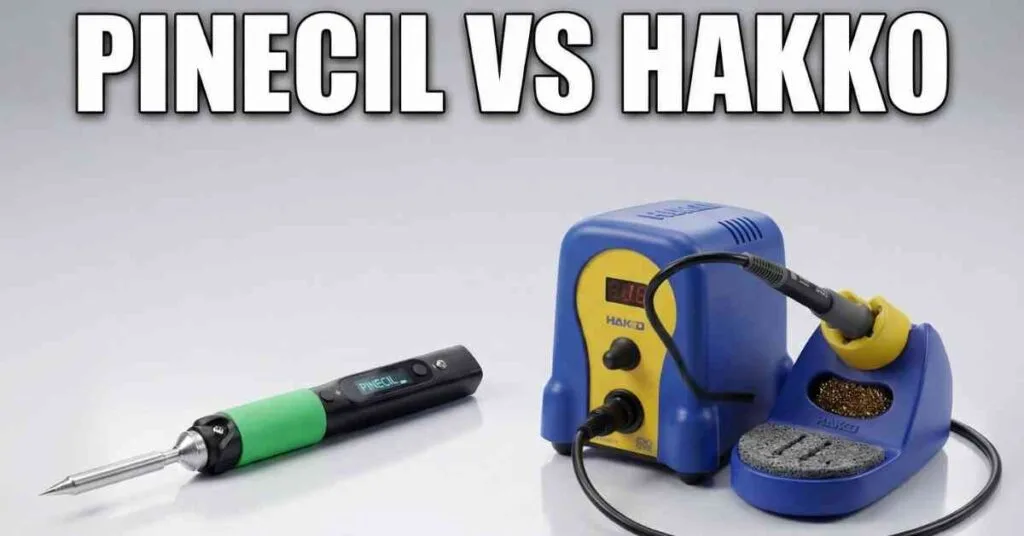
Choosing between the Pinecil vs Hakko felt like a classic “new school vs. old school” showdown for me. I spent weeks staring at my workbench, trying to decide if I wanted a high-tech gadget or a trusty workhorse.
Last Tuesday, I finally sat down with both. I had a pile of circuit boards and a cup of coffee. I wanted to see which one actually made my life easier during a long afternoon of soldering.
Table of Contents
My First Impression: The Pinecil Experience
The Pinecil V2 is tiny. When I first held it, I felt like I was holding a thick pen rather than a power tool. It felt a bit strange at first.
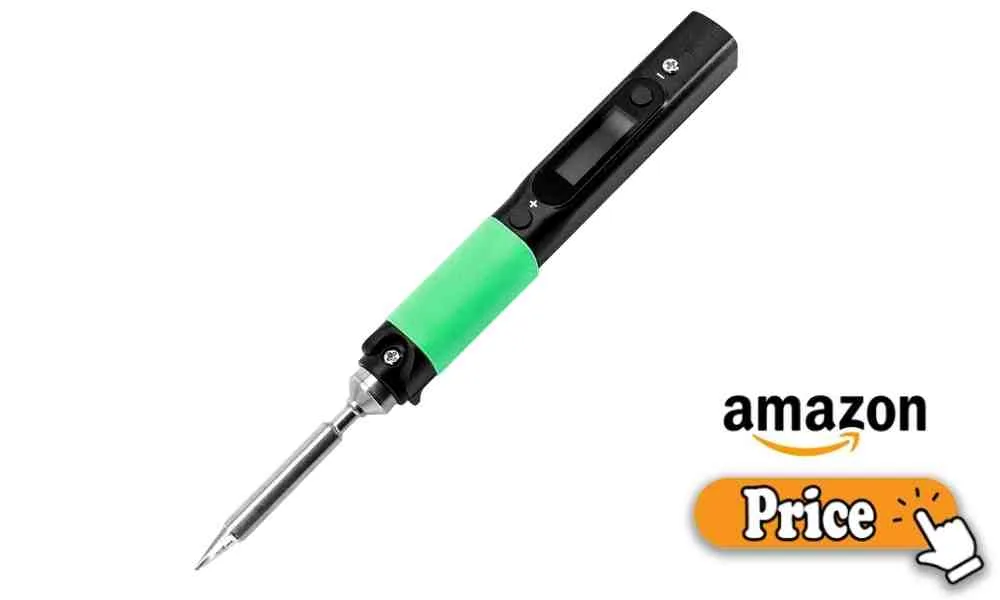
I plugged it into my 65W laptop charger. In about six seconds, it was hot and ready to go. That speed is a total game-changer when you just need to fix one loose wire quickly.
The screen is small but clear. It tells you exactly what is happening inside the iron. I loved how it felt “smart,” but the lightweight body meant my stiff USB cable kept trying to pull it off the desk.
The Reliable Hakko FX-888D
Then I switched to the Hakko FX-888D. This blue and yellow machine has been a staple for years. It feels solid, like it could survive being dropped a dozen times.
The handpiece is much more comfortable for long sessions. It has a nice rubber grip that felt great in my hand. It took about 30 seconds to heat up, which felt like an eternity compared to the Pinecil.
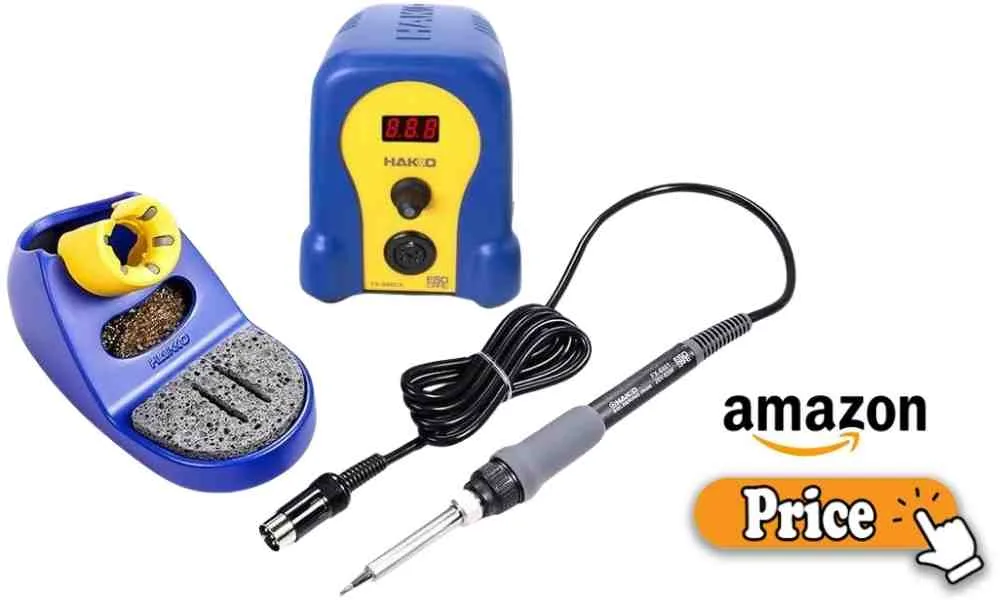
Changing the temperature on the Hakko is a bit of a chore. It uses a weird two-button system that always makes me feel like I’m cracking a safe. It’s simple, but not very intuitive.
Details Comparison: Pinecil vs Hakko
The Pinecil uses a tiny heater built right into the metal tip.1 I plugged it into my laptop brick, and it hit 350 degrees in about six seconds flat. It felt like magic compared to my older tools that take forever to get glowing.
The Hakko FX-888D is much slower because the heater is a separate rod inside the iron. It took nearly thirty seconds to reach the same heat, which feels like a long wait when you are in a flow. The air gap in the Hakko makes it struggle a bit more on big copper joints.
| Feature | Pinecil V2 | Hakko FX-888D |
| Heater Type | Active Cartridge | Passive Ceramic |
| Heat-up Time | 6 – 10 Seconds | 30 – 40 Seconds |
| Power Output | Up to 65W – 80W | Fixed 65W |
Rating: Pinecil – 9/10 | Hakko – 7/10
Grip and Feel: Pinecil vs Hakko
The Hakko handpiece feels amazing during a long afternoon of soldering. It has a soft rubber grip and a very flexible cord that never gets in the way. It stays cool in your hand even after an hour of fixing old guitar pedals.
The Pinecil is a small, hard plastic rectangle that feels a bit like a thick pen. It is not bad for quick fixes, but the stiff USB cables can pull it right off your desk. I had to buy a special silicone wire just to keep it from sliding around my workspace.
| Feature | Pinecil V2 | Hakko FX-888D |
| Handle Grip | Hard Plastic | Soft Rubber |
| Cord Flex | Depends on Cable | Very Flexible |
| Weight | Very Light | Solid and Balanced |
Rating: Pinecil – 6/10 | Hakko – 10/10
Power and Setup: Pinecil vs Hakko
The Hakko is a “plug and play” beast that comes with a heavy safety stand. I just flip the switch on the blue box and start working without any extra thought. It feels like a tool that will still work perfectly in twenty years.
The Pinecil is a bit of a puzzle because it does not come with a power brick. I had to find a high-power USB-C charger in my junk drawer to get it running. If you don’t have a 65W charger, you will have to spend more money on top of the base price.
| Feature | Pinecil V2 | Hakko FX-888D |
| Power Source | USB-C or DC Jack | Standard Wall Plug |
| Included Stand | None (Buy extra) | Heavy Metal Stand |
| Portability | Fits in a Pocket | Large Bench Unit |
Rating: Pinecil – 7/10 | Hakko – 9/10
Smart Features: Pinecil vs Hakko
The Pinecil runs a smart program called IronOS that handles all the hard work for you. It knows when I put it down and goes to sleep to keep the tip from burning out. I even changed the startup screen to show my name, which was a fun little touch.
The Hakko feels very dated with its clunky two-button menu system. Trying to change the temperature feels like trying to set a digital watch from the eighties. It works fine once you set it, but it lacks the modern brains of the smaller iron.
| Feature | Pinecil V2 | Hakko FX-888D |
| Auto-Sleep | Yes (Motion Based) | No (Manual Only) |
| Software | Open Source / Updatable | Fixed Firmware |
| UI Design | Simple OLED Screen | Two-Button Segment |
Rating: Pinecil – 10/10 | Hakko – 5/10
FAQs- Pinecil vs Hakko
Is the Pinecil vs Hakko choice better for new hobbyists?
The Pinecil is great if you like tech and have a USB-C brick. The Hakko is better if you want a simple tool that works for years. Both are very safe and easy to use for small tasks.
Does the Pinecil need a special power brick to work well?
Yes, the Pinecil needs a 65W USB-C PD charger to reach full heat. Using a weak phone plug will make it slow. This setup makes it very portable for quick fixes away from your workbench.
Which iron handles large wires and ground planes better?
The Pinecil wins here because the heater is inside the tip. It stays hot when touching big metal parts. The Hakko takes a bit longer to transfer heat from the rod to the solder joint
Can I use the Pinecil for long soldering sessions at home?
The Hakko has a soft grip that feels good for hours. The Pinecil is a bit hard and thin for long jobs. Choose the Hakko if you have a big project with many parts to solder at once.
As an Amazon Associate, We earn from qualifying purchases