
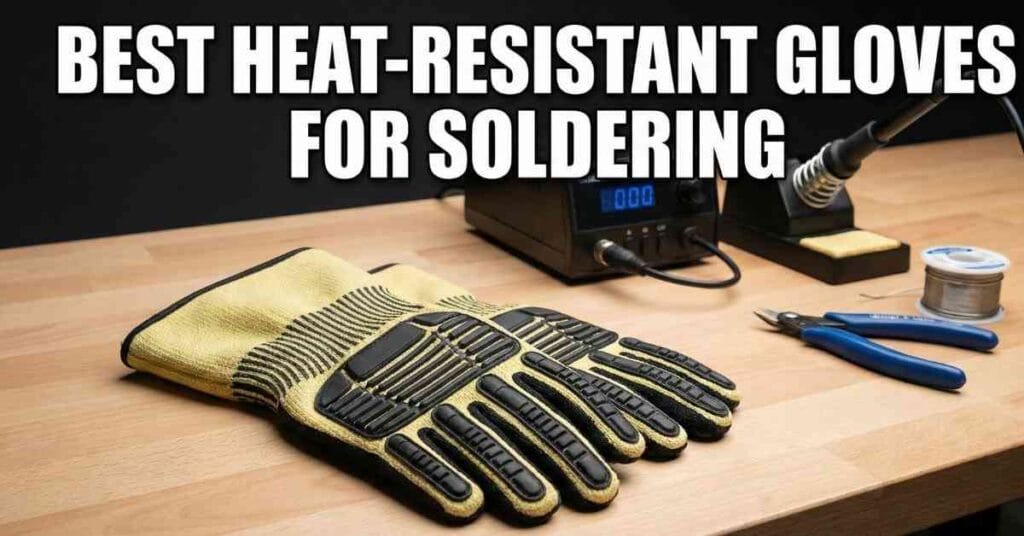
I still recall that distinct smell. It wasn’t solder flux. It was the scent of my own knuckle hair singing off. I was in my garage here in the states, rushing a stained glass project.
I got distracted and brushed my hand against a 700-degree iron. That pain woke me up fast. We often think we are too steady to need gear. But accidents happen in a split second.
Finding the right glove is tricky. I learned that gear for heavy pipes makes soldering a tiny drone board impossible. Here is what I found after testing gear for different jobs.
Table of Contents
The Weekend Warrior: Weller Heat Resistant Gloves
If you tinker on weekends like me, you need balance. You don’t want thick oven mitts. But thin latex won’t help either. I grabbed these for a lamp repair last Sunday.
Weller is a staple in American workshops for a reason. They felt safe right away. The best part was the grip. The silicone dots kept my smooth tools from slipping.
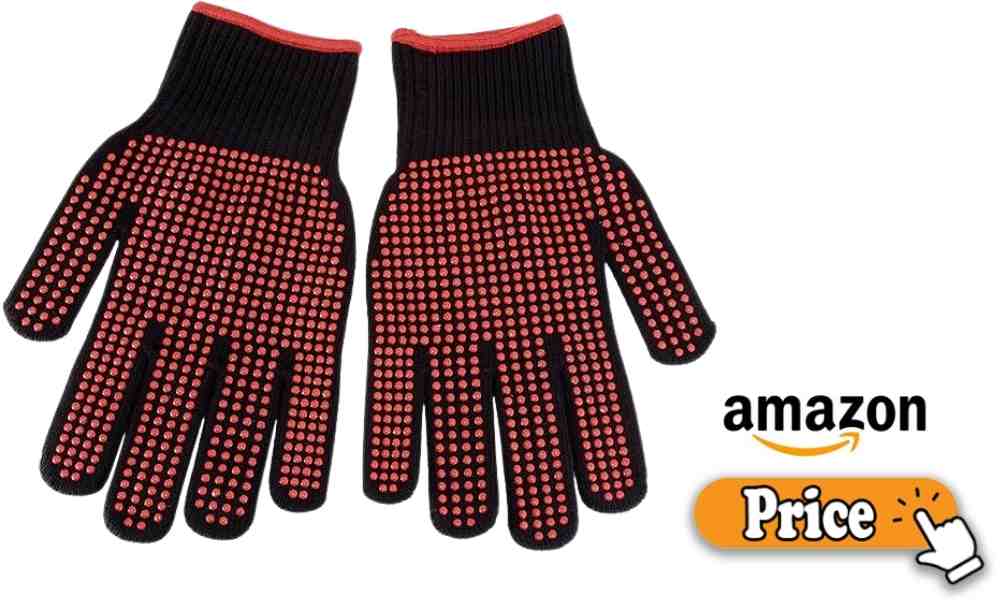
They handle heat up to 570°F. This covers most basic jobs I do at home. It gave me enough confidence to work without fear of a stray burn.
Key Feature: Heat resistance up to ~570°F with a non-slip grip.
What I Like:
- The silicone dots give amazing traction on smooth handles.
- They are thick enough to stop a burn but soft enough to grab wire.
- Easy to find in most local hardware stores or online.
What Could Be Better:
- They are “one-size-fits-most,” which felt a loose on my wrists.
- Not good for tiny electronics where you need to feel small parts.
The Precision Pro: ESD-Safe Finger Cots
Later, I tried fixing an old game console. The big gloves were a mess. I felt clumsy. I couldn’t feel the solder wire, and I almost ruined the chip.
For circuit boards, big gloves are risky. If you can’t feel it, you might drop it. My fix was simple: Finger Cots. I just covered my thumb and index finger.
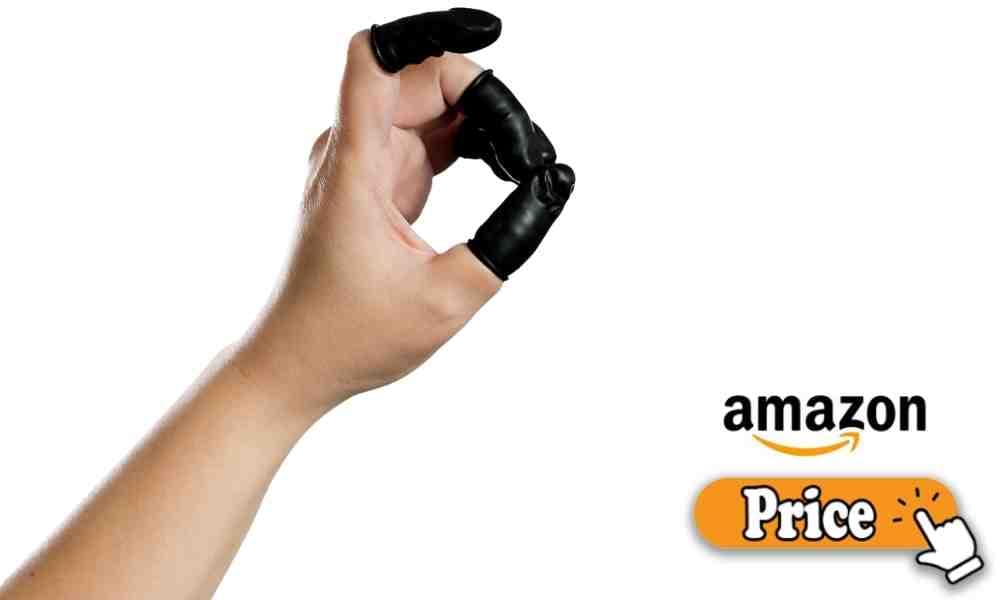
This kept my skin safe from the hot part I was holding. My other fingers stayed cool and nimble. Plus, it stops static shock from frying your board.
Key Feature: Protection just for the thumb and index finger.
What I Like:
- Unmatched control; I can feel exactly what I am doing.
- Stops static shock, which is vital for expensive chips.
- Your hands don’t get sweaty like they do in full rubber gloves.
What Could Be Better:
- They offer zero protection for the back of your hand.
- They are disposable, so you go through a lot of them.
The Heavy Lifter: Leather Work Gloves
Last winter, I helped a buddy fix some copper pipes. We used a torch, not a small iron. The air itself felt hot. Thin gloves were useless here.
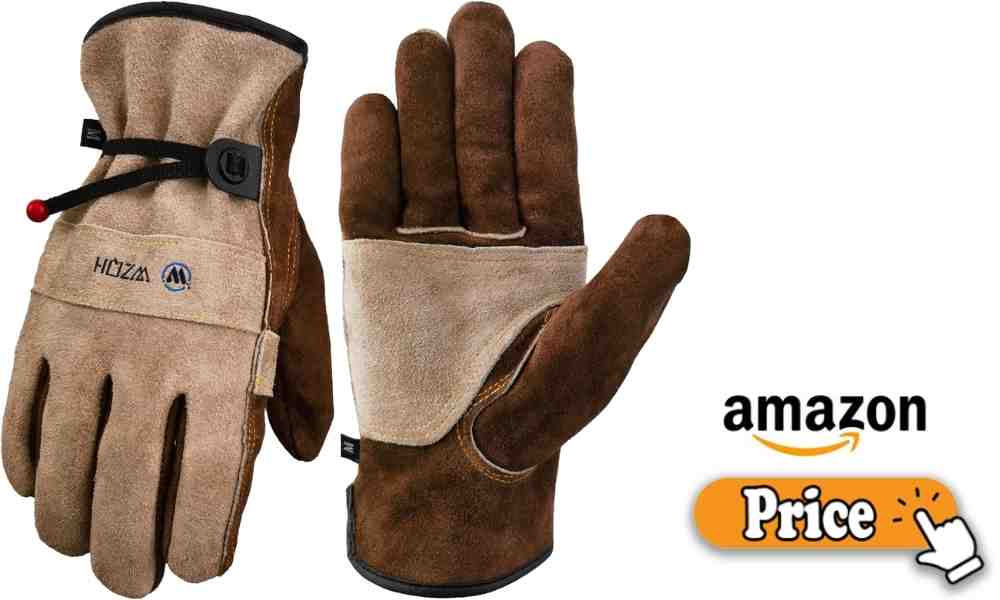
I needed thick skin. I used heavy-duty leather gloves. They are bulky, but they work. I could hold a hot pipe for a few seconds without yelling.
The long cuff was a lifesaver. It saved my wrist from hot drips. If you are doing heavy cable work or plumbing, skip the thin stuff.
Key Feature: High heat protection and thick wrist cuffs.
What I Like:
- Great insulation against open flames and hot air.
- Durable leather that stands up to rough metal pipes.
- The long cuff protects your arm from sparks.
What Could Be Better:
- Very low control; trying to pick up a screw is hard.
- They can get stiff after getting wet or dirty.
A Final Safety Note from My Bench
Here is my main advice. Control is safety. In electronics, dropping a hot iron is bad news. If a glove is too thick, take it off.
If you can’t feel the tool, switch to finger cots. Also, a quick tip I learned the hard way. Never wipe your iron on a sponge while holding it.
Even with gloves, the steam can burn you fast. Leave the sponge in the tray! Stay safe and happy soldering.
FAQs – Best Heat-Resistant Gloves for Soldering
Do I really need heat-resistant gloves for soldering?
Yes, they help a lot. Hot solder burns skin fast. A good heat-resistant glove keeps hands safe. It stops bad burns from slips or hot drips.
Can I use my regular winter gloves?
No, do not use them. They can melt on your skin. You need heat-resistant gloves made for work. Materials like leather or silicone are safe.
What are finger cots used for?
They cover just one finger. They are great for small parts. You get safety and can still feel the wire. They stop static shock too.
Are leather gloves good for soldering?
Yes, for big jobs like pipes. They stop high heat well. But they are stiff. They are hard to use for tiny chips or wires.
How do I pick the right size glove?
Fit is key for safety. A loose glove is risky. Measure your hand first. Look for a snug fit so you do not drop your hot tool.
As an Amazon Associate, We earn from qualifying purchases