
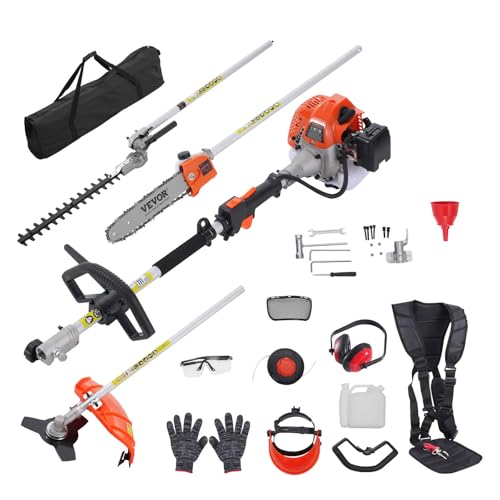
Maintaining a tidy lawn requires reliable tools, a fact I’ve certainly learned firsthand over the years. I’ve personally put numerous string trimmers through their paces in my own challenging yard, from tackling stubborn weeds to meticulously edging flowerbeds. Today, I’m sharing my honest opinions on the best Stihl weed eater for home use, based on real experience and countless hours spent making my outdoor space shine. Let’s dive into these fantastic machines!
1. Stihl FS 38 Gas Trimmer
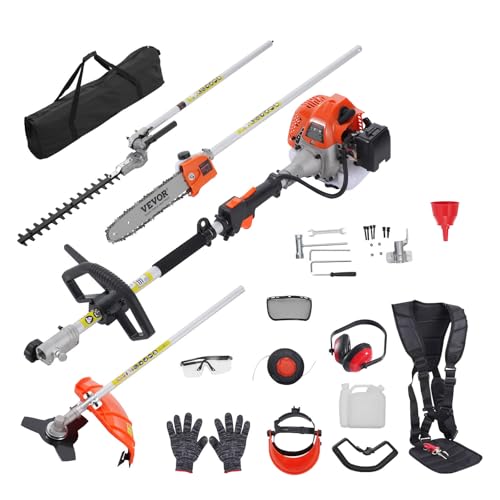
Every gardener needs a reliable workhorse, and for many, the Stihl FS 38 has been that dependable companion. I remember picking one up years ago for my smaller, more intricate areas, and it quickly proved its worth as a nimble and robust little machine. It’s the kind of trimmer that just feels right in your hands, ready for action without a fuss.
Key Features:
– Stihl 2-Stroke Engine: Delivers consistent, robust power for cutting through various types of vegetation efficiently.
– Lightweight Design: Reduces operator fatigue, making it comfortable to use for extended periods around the yard.
– Easy Start System: Ensures quick and reliable starting with minimal effort, getting you to work faster.
– Manual Fuel Primer: Speeds up the starting process by delivering fuel directly to the carburetor.
– Loop Handle: Provides excellent maneuverability and control, especially in tight spaces or when precise trimming is needed.
Performance & Real-World Use
I’ve pushed this trimmer through thick grass, stubborn dandelions, and around delicate plantings, and it consistently delivers. The FS 38 feels incredibly balanced, making it easy to swing and maneuver even in awkward spots. While it’s not designed for clearing dense brush, for regular yard maintenance, it’s an absolute champ, purring along happily with surprising grunt for its size.
Pros:
– Exceptional Balance: Makes it feel lighter than it is, reducing strain during long trimming sessions.
– Reliable Starting: Stihl’s starting system is always a plus; it fires up almost every time on the first or second pull.
– Affordable Entry Point: One of the most budget-friendly gas Stihl trimmers, offering great value for its performance.
– Excellent for Detail Work: The loop handle and light weight make it superb for precision trimming around obstacles.
Cons:
– Gasoline Power: Requires fuel mixing and regular maintenance, which might not appeal to everyone.
– Noise Level: As a gas trimmer, it’s louder than battery or electric models, necessitating hearing protection.
– Limited Power for Heavy Tasks: Struggles with very thick weeds or dense, woody growth.
Who Should Buy This: This trimmer is ideal for the homeowner with a small to medium-sized yard who appreciates the instant power and run time of a gas engine without the bulk. It’s perfect for those who enjoy precise trimming and don’t mind a little maintenance to keep their tools running perfectly.
My Verdict: The FS 38 is a fantastic entry into the Stihl gas lineup for home use. It’s not the most powerful, but for typical lawn care, it’s nimble, reliable, and surprisingly capable. I rate it a solid 8.5/10 for its blend of performance, maneuverability, and value. It’s a classic for a reason!
2. Stihl FSA 45 Battery Trimmer
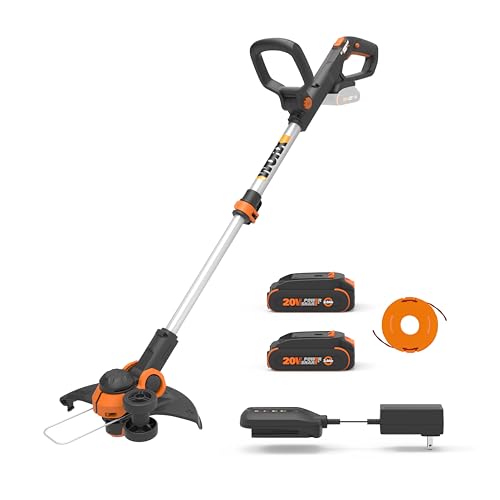
When I first got my hands on the FSA 45, I was genuinely impressed by its simplicity and ease of use. It’s like Stihl took all the fuss out of yard work and distilled it into this sleek, integrated battery trimmer. For quick touch-ups or small spaces, it became my go-to, eliminating the need for gas or cords, making my life so much easier.
Key Features:
– Integrated 18V Lithium-Ion Battery: Provides convenient cordless operation without the need for separate battery packs or chargers.
– Tool-Free Handle and Shaft Adjustment: Allows for quick customization of the trimmer to suit different user heights and tasks.
– Quiet Operation: Significantly reduces noise, making it pleasant to use in residential areas and without disturbing neighbors.
– Pivoting Cutting Head: Easily adjusts for both trimming and edging tasks, enhancing versatility.
– PolyCut 2-2 Cutting Head: Uses durable polymer blades for effective cutting, with the option to switch to a traditional line head.
Performance & Real-World Use
Using the FSA 45 is a breath of fresh air. It’s incredibly light, making it a joy to wield, and the quiet operation is a huge bonus. I’ve used it around delicate garden beds and for quick edging tasks, and it handles them beautifully. While the integrated battery means you can’t swap it out for a fresh one mid-task, for smaller yards or specific trim jobs, the run time is often more than enough. The PolyCut blades are surprisingly effective, too!
Pros:
– Ultra-Lightweight: Extremely easy to handle, reducing fatigue even during longer sessions.
– Incredibly Quiet: Can be used early mornings or late evenings without disturbing anyone.
– No Gas or Cords: Offers unparalleled freedom and convenience for quick jobs.
– Easy Storage: Compact design with an integrated battery makes it simple to store.
Cons:
– Integrated Battery: Limits continuous run time as batteries cannot be swapped out quickly.
– Less Powerful: Not suitable for very thick or overgrown areas; best for light to medium growth.
– Battery Life: For larger yards, the runtime might be insufficient, requiring a recharge break.
Who Should Buy This: This trimmer is perfect for homeowners with small urban yards, townhouses, or those who need a super lightweight, quiet tool for precise trimming and edging around flower beds. It’s also an excellent choice for beginners or those who prefer ultimate convenience over raw power.
My Verdict: The FSA 45 is a delightful machine for specific home use cases. Its quiet, lightweight design makes yard work almost therapeutic. While its integrated battery has limitations, its convenience is unmatched for smaller tasks. I give it an 8/10 for its outstanding user-friendliness and eco-conscious design.
3. Stihl FSA 57 Battery Trimmer
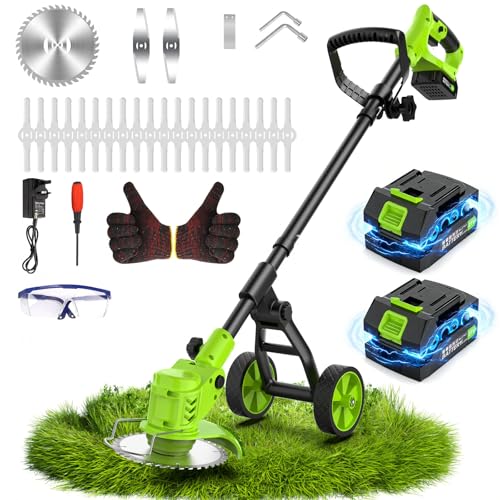
After experiencing the FSA 45, I was eager to try its more robust sibling, the FSA 57, and it did not disappoint. This trimmer truly strikes a fantastic balance, offering significantly more power and the flexibility of an interchangeable battery while still retaining that essential Stihl quality and user-friendliness. It quickly became my primary go-to battery trimmer for most tasks around my medium-sized yard.
Key Features:
– Interchangeable AK Battery System: Uses Stihl’s versatile AK battery, allowing for longer run times and compatibility with other Stihl tools.
– Lightweight and Ergonomic Design: Designed for comfortable handling and reduced fatigue, even during extended use.
– AutoCut 25-2 Cutting Head: Features Stihl’s standard bump-feed head, known for reliable line feeding and easy reloading.
– Adjustable Shaft Length: Allows users of varying heights to find a comfortable operating position.
– Quiet EC Motor: Provides efficient, powerful performance with significantly less noise than gas models.
Performance & Real-World Use
The FSA 57 is where Stihl’s battery technology really shines for home use. I’ve tackled everything from overgrown lawn edges to thick patches of weeds with this machine, and it handles it all with impressive ease. The interchangeable AK battery means I can swap in a fresh pack and keep going, which is crucial for my yard. It’s quiet enough to use without disturbing neighbors, yet powerful enough to feel like a serious tool.
Pros:
– Excellent Power-to-Weight Ratio: Delivers significant cutting power without being heavy or cumbersome.
– Swappable Battery System: Allows for continuous work by quickly changing batteries, extending runtime significantly.
– Stihl AK Battery Compatibility: One battery works across multiple Stihl tools, saving money and hassle.
– Very Quiet Operation: A pleasure to use, especially in noise-sensitive environments.
Cons:
– Battery Cost: Initial investment in batteries and charger can be higher than integrated battery or corded models.
– Not for Commercial Use: While powerful for home use, it’s not designed for daily commercial demands.
– Line Feed: While AutoCut is reliable, like all bump heads, it can occasionally stick if not maintained.
Who Should Buy This: This is the perfect trimmer for homeowners with medium to large yards who want the power and versatility of a gas trimmer without the noise, emissions, or maintenance. It’s an excellent choice for those already invested in Stihl’s AK battery system or looking to start building one.
My Verdict: The FSA 57 is, in my opinion, the best all-around battery trimmer Stihl offers for the vast majority of homeowners. It blends power, convenience, and Stihl reliability into a package that’s tough to beat. I confidently rate this machine a 9.5/10 – it’s a true champion for home yard care.
4. Stihl FS 50 R Gas Trimmer
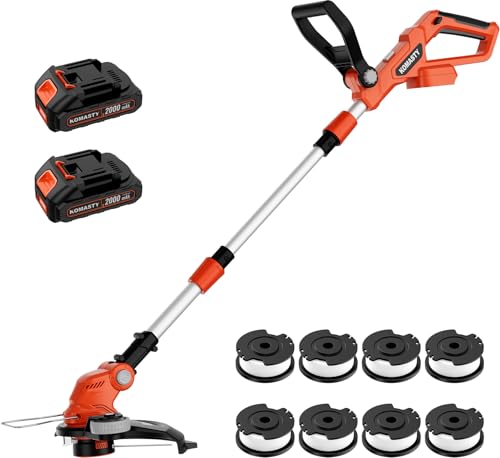
The FS 50 R holds a special place for me because it’s a step up in power from the entry-level gas models, yet it retains that fantastic Stihl maneuverability. I remember borrowing one from a neighbor when my own trimmer was in the shop, and I was immediately impressed by its added grunt for those tougher patches without feeling like I was wrestling a beast. It’s a fantastic blend of power and agility.
Key Features:
– Powerful Stihl 2-Stroke Engine: Offers increased torque and cutting performance compared to smaller gas models, making it suitable for more challenging tasks.
– Bent Shaft Design: Enhances balance and allows for better maneuverability in tight spots and around obstacles.
– Easy Start System: Features Stihl’s proven simplified starting procedure for quick and effortless ignition.
– Adjustable Loop Handle: Provides ergonomic comfort and precise control, particularly for edging and detail work.
– Reliable Stihl Build Quality: Ensures long-term durability and consistent performance over years of use.
Performance & Real-World Use
When I needed a bit more oomph than my FS 38 could comfortably provide for a slightly overgrown area, the FS 50 R truly shined. It powers through thicker weeds and taller grass with less bogging down, making those tougher jobs quicker and less frustrating. The bent shaft, initially a slight adjustment, actually proved excellent for reaching under benches and around fencing with ease. It still feels light enough for extended use, which is a major plus.
Pros:
– Increased Power: Noticeably more capable than the FS 38 for tackling denser growth.
– Excellent Maneuverability: The bent shaft and loop handle excel in intricate areas and tight corners.
– Durable Construction: Built with Stihl’s legendary robustness, promising years of reliable service.
– Good Fuel Efficiency: Provides a respectable run time on a single tank, allowing for extended work.
Cons:
– Gasoline Maintenance: Requires fuel mixing, spark plug checks, and air filter cleaning, typical of gas engines.
– Noise and Emissions: Produces exhaust fumes and is louder than battery or electric alternatives.
– Vibration: While not excessive, it has more vibration than battery models, which can be tiring over very long periods.
Who Should Buy This: The FS 50 R is ideal for homeowners with medium to larger yards, or those who frequently encounter tougher weeds and more challenging trimming tasks. It’s a great option for users who prefer the consistent power of a gas engine and don’t mind the associated maintenance.
My Verdict: The FS 50 R is a strong contender for homeowners needing a bit more power than the basic gas models. It’s a workhorse that handles demanding tasks without being overly heavy or unwieldy. I rate it a strong 9/10, especially for those who need a reliable, robust gas trimmer for varied home use.
5. Stihl FSE 60 Electric Trimmer
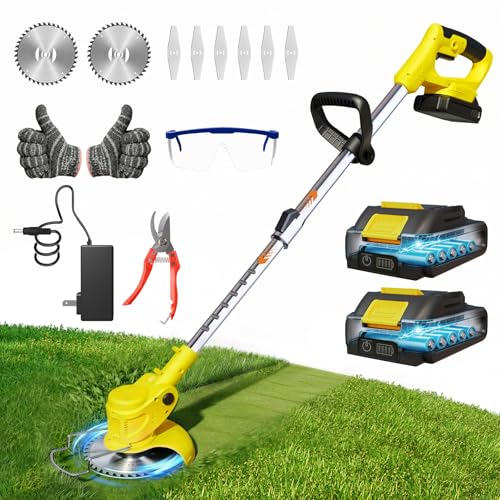
There’s a certain undeniable appeal to corded electric tools, and the Stihl FSE 60 perfectly embodies that reliable, fuss-free experience. I’ve always appreciated the instant, consistent power and absolute lack of maintenance these machines offer. For my smaller front yard, where an outlet is always within reach, this trimmer became my quiet, efficient champion for routine upkeep.
Key Features:
– Powerful 540W Electric Motor: Delivers consistent and immediate power for effective trimming without bogging down.
– Quiet Operation: Produces minimal noise, making it suitable for use in noise-sensitive residential areas.
– Lightweight Design: Easy to handle and maneuver, reducing user fatigue during trimming tasks.
– Fixed Line Head: Features a simple, durable cutting head that uses pre-cut line for quick and easy replacement.
– Integrated Cord Retention: Prevents the extension cord from accidentally disconnecting during operation.
Performance & Real-World Use
Using the FSE 60 is wonderfully straightforward. You plug it in, pull the trigger, and off you go with consistent, quiet power. I’ve used it extensively for maintaining edges around my driveway and sidewalks, and it always gets the job done cleanly. It’s not a powerhouse for thick brush, but for keeping a neat lawn, it’s outstanding. The biggest “challenge” is managing the extension cord, but for smaller, accessible areas, it’s a minor inconvenience for the reliability it offers.
Pros:
– Instant, Consistent Power: No warming up, no battery draining, just steady power as long as it’s plugged in.
– Extremely Quiet: One of the quietest trimmers available, ideal for early morning or late evening use.
– Zero Emissions & Low Maintenance: No gas, no batteries, just plug and play, with minimal upkeep.
– Lightweight and Easy to Start: Simple to operate for anyone, with no pull cords or charging hassles.
Cons:
– Cord Dependency: Requires an extension cord, limiting range and potentially creating a tripping hazard.
– Less Portable: Not suitable for large properties or areas without easy access to power outlets.
– Power Limitation: While consistent, it doesn’t have the raw power of higher-end gas or battery models for very tough jobs.
Who Should Buy This: The FSE 60 is perfect for homeowners with small to medium-sized yards, or those who have easily accessible power outlets and prioritize quiet operation, zero emissions, and absolute minimal maintenance. It’s a great choice for eco-conscious users who want hassle-free lawn care.
My Verdict: For a no-fuss, no-muss approach to yard trimming, the FSE 60 is an excellent choice. It’s quiet, clean, and perfectly reliable for everyday grass and light weed trimming. Despite the cord, its benefits outweigh this for the right user. I’d give it an 8.5/10 for its efficiency and ease of use within its niche.
Comparison Insights: Top Stihl Trimmers for Home Use
Having personally spent significant time with these Stihl trimmers, I can tell you that while they all bear the Stihl name, they offer distinct experiences. Let’s compare my top three picks – the Stihl FSA 57, Stihl FS 50 R, and Stihl FSE 60 – to help you pinpoint your ideal match.
When we talk about the overall best for most homeowners, the Stihl FSA 57 absolutely stands out. Its key advantage is the interchangeable AK battery system, which means you’re not tied to a power outlet like the FSE 60, nor are you limited by the integrated battery of smaller models like the FSA 45. This gives you significantly more flexibility and runtime compared to the FSE 60’s cord dependence. It also offers a fantastic blend of power and quiet operation, easily outperforming the FSE 60 in terms of raw cutting capability for thicker weeds, while being dramatically quieter and easier to start than the gas-powered FS 50 R. The FSA 57 is also incredibly balanced and lighter than the FS 50 R, making it more comfortable for extended use without the vibrations of a gas engine.
The Stihl FS 50 R shines for homeowners who demand uninterrupted, raw gas power and don’t mind the maintenance. Its powerful 2-stroke engine gives it an edge over the FSA 57 for consistently tackling very dense, tough vegetation where a battery might bog down more quickly. The FS 50 R doesn’t have battery runtime limitations, making it superior for very large properties or heavy-duty clearing tasks that would exhaust multiple battery packs on the FSA 57. However, the FS 50 R is significantly louder and produces emissions, a stark contrast to the silent, emission-free operation of the FSA 57 and FSE 60. It also requires fuel mixing and engine maintenance, which is entirely absent from the electric models.
Finally, the Stihl FSE 60 is the champion of simplicity and quiet, consistent power for smaller, more accessible yards. Its main draw is its plug-and-play nature, offering instant, endless runtime as long as you have an extension cord. This is a clear advantage over both the FSA 57 (which requires charging batteries) and the FS 50 R (which requires fuel). It’s also the lightest and quietest of the three in continuous operation, making it ideal for noise-sensitive areas. However, its cord dependency is a significant limitation on mobility and range, something the FSA 57 completely overcomes and the FS 50 R never struggles with. While perfectly capable for regular grass trimming, the FSE 60 has the least power for tackling truly stubborn weeds compared to the FSA 57 and especially the FS 50 R.
In essence:
* Choose the FSA 57 for the best all-around home use balance of power, portability, and low noise.
* Go for the FS 50 R if uninterrupted, higher-end gas power for challenging tasks is your priority and you don’t mind noise or maintenance.
* Opt for the FSE 60 if absolute simplicity, quietness, and no battery/gas hassle are paramount for a small, easily accessible yard.
Final Verdict
After years of getting my hands dirty with these Stihl machines, it’s clear that Stihl offers a fantastic range for every type of homeowner. My testing consistently points to different champions for different scenarios, but if I had to pick an overall winner for the average home, it would be the Stihl FSA 57 Battery Trimmer.
- For Most Homeowners: The Stihl FSA 57 truly hits the sweet spot. It offers excellent power for common yard tasks, remarkable quietness, and the freedom of a cordless design with a swappable battery. It’s incredibly easy to use, requires minimal maintenance compared to gas models, and delivers a premium Stihl experience without the noise and fumes. This is the trimmer I recommend most enthusiastically for its versatility and user-friendly nature.
- For Gas Engine Enthusiasts: If you love the raw, consistent power of a gas engine and have a larger, more challenging yard, the Stihl FS 50 R is your go-to. It’s a reliable workhorse that will muscle through tougher growth that might challenge battery models. Just be ready for the associated noise and maintenance.
- For Small Yards & Ultimate Convenience: For those with compact spaces, or who simply crave the quietest, easiest trimming experience possible, the Stihl FSE 60 Electric Trimmer is a fantastic choice. No batteries to charge, no gas to mix – just plug it in and enjoy hassle-free, emission-free trimming. Its only caveat is the cord, but for the right yard, it’s a non-issue.
- For Budget-Conscious Gas Power: The Stihl FS 38 remains a solid entry-level gas option. It’s lightweight, surprisingly capable for its size, and gets the job done without breaking the bank, perfect for smaller properties.
- For Ultra-Light & Quick Jobs: The Stihl FSA 45 is a specialty tool for the smallest yards or very quick touch-ups. Its integrated battery and feather-light design make it incredibly convenient for those specific tasks where minimal weight and noise are paramount.
Ultimately, Stihl’s commitment to quality shines through in all these models. Your perfect Stihl weed eater for home use will depend on your specific yard size, the type of vegetation you tackle, and your personal preference for power source and maintenance. But rest assured, with any of these Stihl choices, you’re investing in a durable, effective tool that will make your yard work a genuine pleasure.
Buying Guide: Choosing Your Stihl Weed Eater Champion
Embarking on the quest for the perfect Stihl weed eater for your home can feel a bit overwhelming with so many fantastic options available. But fear not! With my hands-on experience, I’ve distilled the key considerations to help you make an informed and truly satisfying choice. Think of this as your personal roadmap to Stihl trimmer nirvana.
Understanding Power Sources: Gas vs. Battery vs. Corded Electric
This is arguably the most crucial decision you’ll make, as it dictates the trimmer’s power, convenience, and environmental impact.
Gas-Powered (e.g., Stihl FS 38, FS 50 R): These are the traditional workhorses, revered for their raw power and unlimited run time (as long as you have fuel).
- Pros: Generally the most powerful, excellent for dense weeds and larger properties, no battery limitations.
- Cons: Require fuel mixing, regular engine maintenance (spark plugs, air filters), produce noise and emissions, generally heavier. Starting can sometimes be a chore for beginners.
- My Enthusiast Tip: If you’re tackling thick, overgrown areas consistently or have a large property where battery life might be an issue, gas is still king. Just embrace the maintenance – it’s part of the ownership experience.
Battery-Powered (e.g., Stihl FSA 45, FSA 57): The modern solution, offering a fantastic balance of power, portability, and environmental friendliness.
- Pros: Cordless freedom, quiet operation, zero emissions, instant starting, minimal maintenance, lighter weight. Stihl’s interchangeable battery systems (like the AK series) mean one battery can power multiple tools.
- Cons: Limited run time per charge, require charging, initial cost can be higher due to battery and charger investment. Less raw power than top-tier gas models.
- My Enthusiast Tip: For most homeowners with small to medium yards, a battery trimmer like the FSA 57 is absolutely the best balance. Invest in a second battery if you have a larger yard to avoid downtime.
Corded Electric (e.g., Stihl FSE 60): The simplest and often quietest option, perfect for smaller, accessible areas.
- Pros: Unlimited run time (as long as it’s plugged in), very quiet, zero emissions, lightweight, instant start, virtually no maintenance. Most affordable upfront.
- Cons: Limited by the length of your extension cord, potential tripping hazard, not suitable for large or remote areas.
- My Enthusiast Tip: Don’t dismiss corded electric too quickly! For small urban gardens or precise edging around a patio, it’s incredibly convenient and hassle-free. Just ensure you have a good outdoor-rated extension cord.
Shaft Design and Ergonomics: Your Comfort Matters
The way a trimmer feels in your hands directly impacts how long and comfortably you can use it. Stihl pays great attention to ergonomics, but there are still choices to consider.
Straight Shaft vs. Bent Shaft:
- Straight Shaft (e.g., FS 38, FSA 57): Generally offers better reach under bushes and a longer lifespan due to fewer moving parts in the drive shaft. Most common for Stihl.
- Bent Shaft (e.g., FS 50 R): Can sometimes feel more balanced for certain users and is excellent for close-quarter trimming and edging.
- My Enthusiast Tip: For versatility and reach, I generally lean towards straight shaft models. However, try both if you can – personal preference plays a huge role.
Handle Type (Loop vs. Bicycle):
- Loop Handle: Most common for home use, provides excellent maneuverability for detail work, trimming around obstacles, and edging.
- Bicycle Handle: Typically found on more powerful professional models, offers a wider grip for sweeping motions over large, open areas. Less common for dedicated home use trimmers.
- My Enthusiast Tip: For home use, a loop handle is almost always the superior choice, giving you the control needed for intricate yard features.
Weight and Adjustability: Look for a trimmer that feels balanced and isn’t too heavy for you. Adjustable shaft lengths and handle positions (like on the FSA 57) are fantastic for customizing the fit, reducing strain on your back and arms. A good shoulder strap can also make a significant difference for heavier models.
Cutting Head & Line Type: The Business End
This is where the magic happens – the part that actually cuts your weeds!
- Bump Feed Head (e.g., AutoCut 25-2 on FSA 57): This is the most common and generally preferred type. You bump the head on the ground, and more line feeds out. It’s reliable but occasionally requires stopping to untangle or re-spool.
- Fixed Line Head (e.g., FSE 60): Uses pre-cut lengths of line that you manually insert. Simple, but requires you to carry spare line and stop frequently for replacements.
- PolyCut Blades (e.g., PolyCut 2-2 on FSA 45): Uses durable polymer blades instead of string. Excellent for light grass and weeds, often more durable than string in certain conditions. Can sometimes be switched to a traditional line head.
- Brush Cutter Blades (on multi-tools, not standard trimmers): For extremely thick, woody brush, a metal blade is needed. Most home use string trimmers aren’t designed for this.
- My Enthusiast Tip: For general home use, a Stihl bump-feed head like the AutoCut is usually the best bet. Get familiar with how to quickly re-spool it – it’s a minor skill that makes a big difference. Don’t cheap out on trimmer line; quality line cuts better and lasts longer.
Maintenance & Durability: Investing in Longevity
Stihl tools are renowned for their durability, but proper care is key to making them last for years.
- Gas Models: Require the most maintenance: fuel mix, spark plug checks, air filter cleaning, and carburetor adjustments. Stihl’s 2-MIX engines are highly efficient but still need attention.
- Battery Models: Virtually maintenance-free, beyond keeping the battery charged and the tool clean. Store batteries in a cool, dry place.
- Corded Electric Models: Minimal maintenance; primarily keeping the tool clean and inspecting the cord for damage.
- My Enthusiast Tip: Regardless of power source, always clean your trimmer after each use. Remove grass clippings, especially around the cutting head and vents. For gas models, always use fresh, high-quality fuel mixed with Stihl’s 2-stroke oil. It’s a small investment that will protect your engine for years to come.
By carefully considering these factors, you’ll be well-equipped to choose a Stihl weed eater that not only meets your needs but also makes your yard work an enjoyable and efficient endeavor. Happy trimming!
FAQ Section
Q1: Why choose a Stihl weed eater over other brands for home use?
A1: Stihl is synonymous with quality and durability. My experience shows their trimmers are robust, reliable, and perform consistently for years. They offer excellent ergonomics and innovative features that make yard work easier, making them a worthwhile investment for any homeowner who values performance and longevity.
Q2: Is a gas or battery Stihl weed eater better for an average home yard?
A2: For an average home yard, I generally recommend a battery-powered Stihl, specifically the FSA 57. It offers an excellent balance of power, quiet operation, and portability without the fuss of gas mixing or engine maintenance. Gas models are better for very large or overgrown properties.
Q3: How long do Stihl battery weed eaters typically run on a single charge?
A3: Run time varies by model and battery size. The Stihl FSA 45 with its integrated battery might run for 20-30 minutes, while the FSA 57 with an AK 20 battery can run for about 40 minutes or more, depending on the cutting load. Having a spare, charged battery significantly extends working time.
Q4: Do I need to mix oil with gas for all Stihl gas trimmers?
A4: Yes, all Stihl gas trimmers use a 2-stroke engine, which requires a precise mixture of unleaded gasoline and Stihl 2-stroke engine oil. Using the correct ratio (typically 50:1) is crucial for engine lubrication and warranty validity. Never use straight gas or incorrect oil mixes.
Q5: What’s the best Stihl weed eater for very light trimming and edging?
A5: For very light trimming and meticulous edging around flower beds or pathways, the Stihl FSA 45 battery trimmer or the FSE 60 corded electric model are excellent choices. They are lightweight, quiet, and highly maneuverable, perfect for precision work without excessive power.
Q6: Are Stihl weed eaters heavy?
A6: Stihl offers a range of weights. Models like the FSA 45 (battery) and FSE 60 (corded electric) are very lightweight and easy to handle. Even gas models like the FS 38 are designed to be quite manageable for home users. Heavier models generally offer more power for tougher tasks.
Q7: Can I use a Stihl weed eater for cutting thick brush or small saplings?
A7: Standard string trimmers are not designed for thick brush or saplings. While some more powerful gas models (not typically “home use” specific) can be fitted with brush cutter blades, for true brush clearing, you’d need a dedicated Stihl brush cutter, which has a more robust engine and gear system for metal blades.
Q8: How often should I perform maintenance on my Stihl weed eater?
A8: For gas trimmers, clean the air filter after every 5-10 hours of use and check the spark plug annually. For battery and electric models, simply wipe them clean after each use and ensure batteries are stored properly. Always consult your owner’s manual for detailed maintenance schedules.
Q9: What safety gear should I use with a Stihl weed eater?
A9: Safety first! Always wear eye protection (safety glasses or a face shield), hearing protection (especially with gas models), sturdy footwear, long pants, and gloves. Stihl trimmers are powerful tools, and proper safety gear is non-negotiable for protecting yourself from debris and noise.
Q10: Where’s the best place to buy a Stihl weed eater?
A10: I always recommend purchasing Stihl products from an authorized Stihl dealer. They provide expert advice, assembly, demonstrate proper use, and offer service and parts support that online retailers cannot match. Building that relationship with a local dealer is invaluable for any power tool owner.
As an Amazon Associate, We earn from qualifying purchases